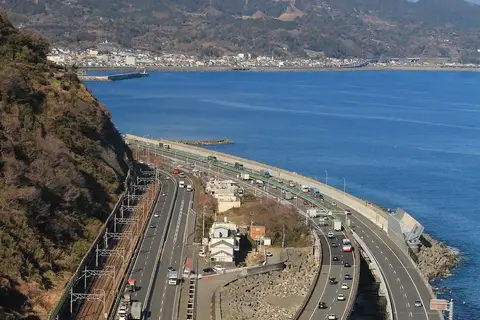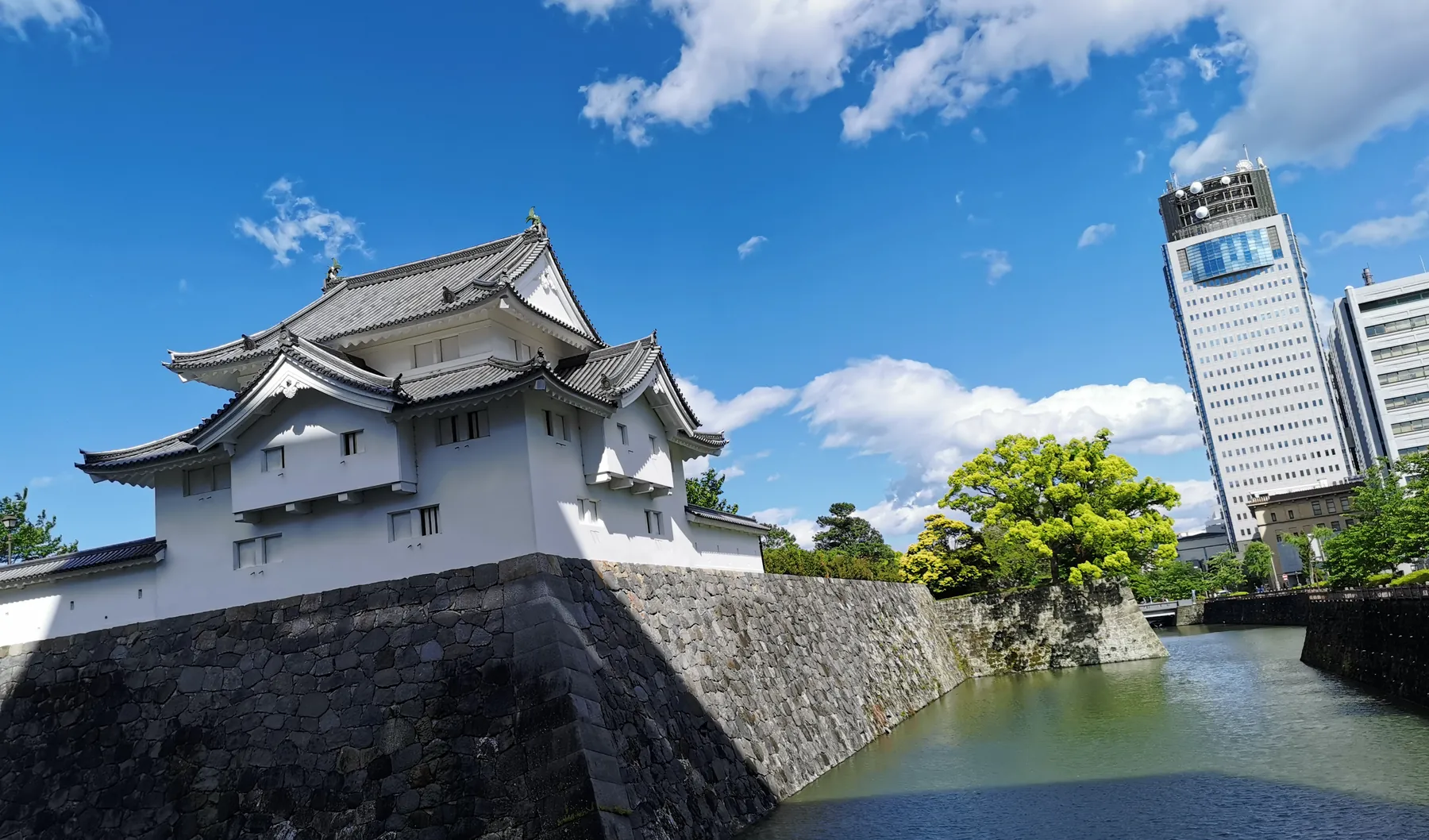
The shogun who unified Japan didn’t retire to Kyoto or Edo. Tokugawa Ieyasu chose this town — Sunpu, today’s Shizuoka City — where he’d spent his boyhood, and ran the country from behind its moats until his death in 1616. His castle grounds, the shrine where he came of age, and a village two thousand years older are all sitting eleven minutes by local train from your gangway, and almost no cruise passenger goes. This is the easiest self-guided excursion Shimizu offers: no taxi negotiations, no tour price, trains every few minutes.
The eleven-minute commute to the shogunate
From Hinode Pier, walk or ride the shuttle to JR Shimizu Station, and take any train toward Shizuoka — they run every few minutes on the Tokaido line, so you never plan around a timetable. Ticket machines have English menus; an IC card makes it effortless. Eleven minutes later you’re in the prefectural capital, and a 15-minute walk from the moats. (The timed, stop-by-stop version of this day is our Ieyasu’s City itinerary — this article is the why.)
Sunpu Castle Park: the retirement office of Japan
Ieyasu’s relationship with this town bookends his life: he was sent here as a child hostage of the Imagawa clan, and returned six decades later as the most powerful man in Japan, running the “retired shogun’s government” from Sunpu while his son held the title in Edo.
The castle keep is gone, but the moats, stone ramparts, reconstructed East Gate and Tatsumi Turret (~¥360 to enter, closed Mondays) frame an open, free park where the city relaxes. Don’t miss the corner where archaeologists are excavating the original keep’s foundations — they’ve been peeling back the largest castle-tower base in Japan, and you can look into the dig.
Sengen Shrine: the coming-of-age hall
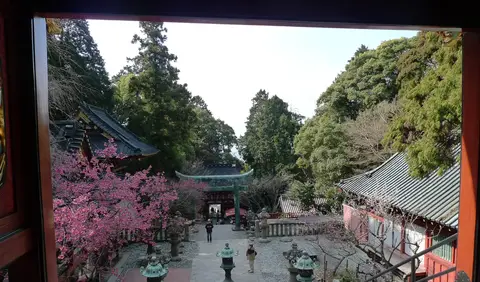
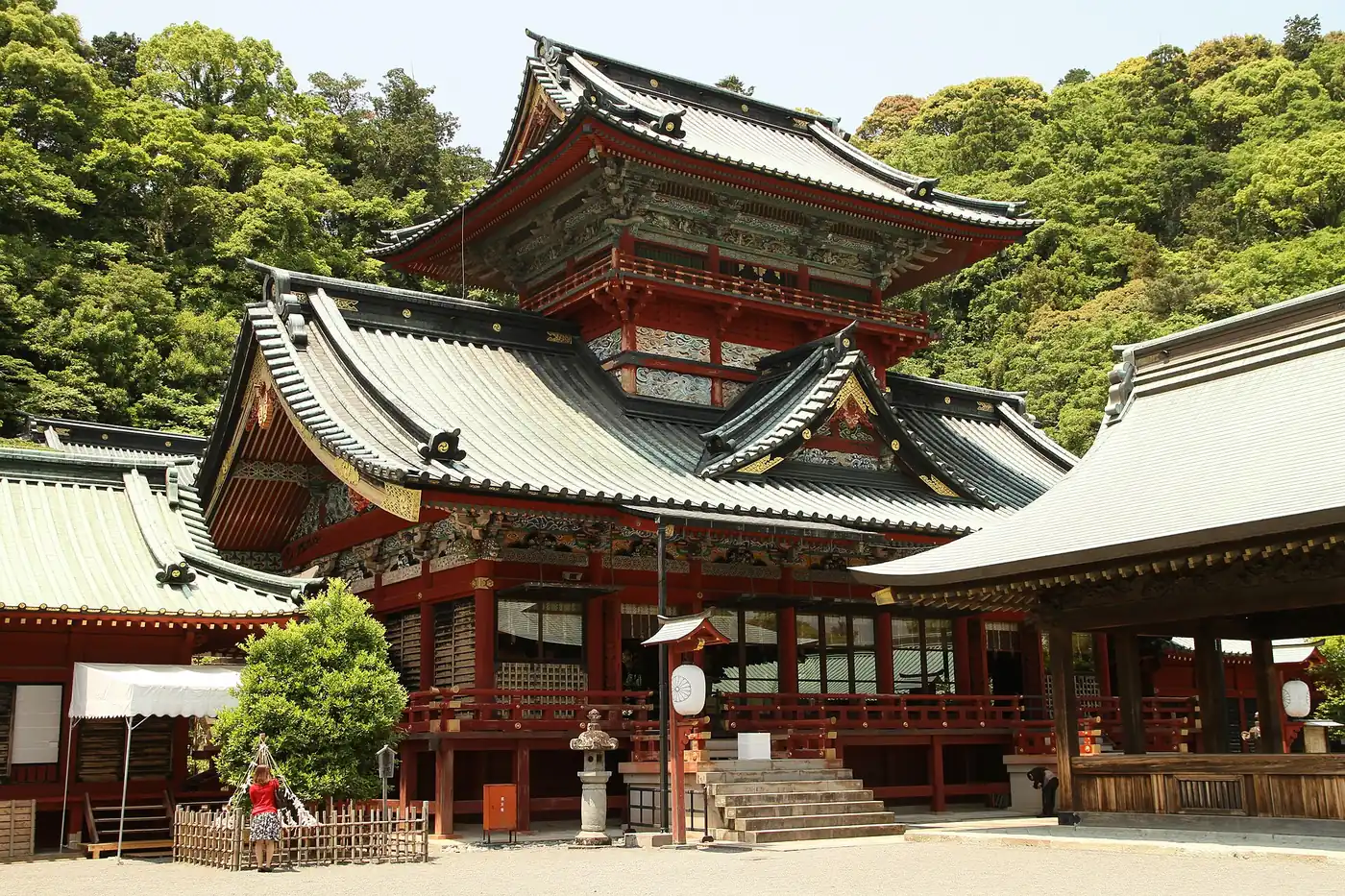
A 15-minute walk north, at the foot of wooded Mt. Shizuhata, waits the day’s spectacle: Shizuoka Sengen Shrine, where the young Ieyasu celebrated his coming-of-age ceremony. The two-storey main hall — vermilion, black lacquer, gold — is one of the largest lacquered shrine buildings in Japan, and unlike Kyoto’s famous halls you will more or less have it to yourself.
Toro Ruins: two thousand years earlier
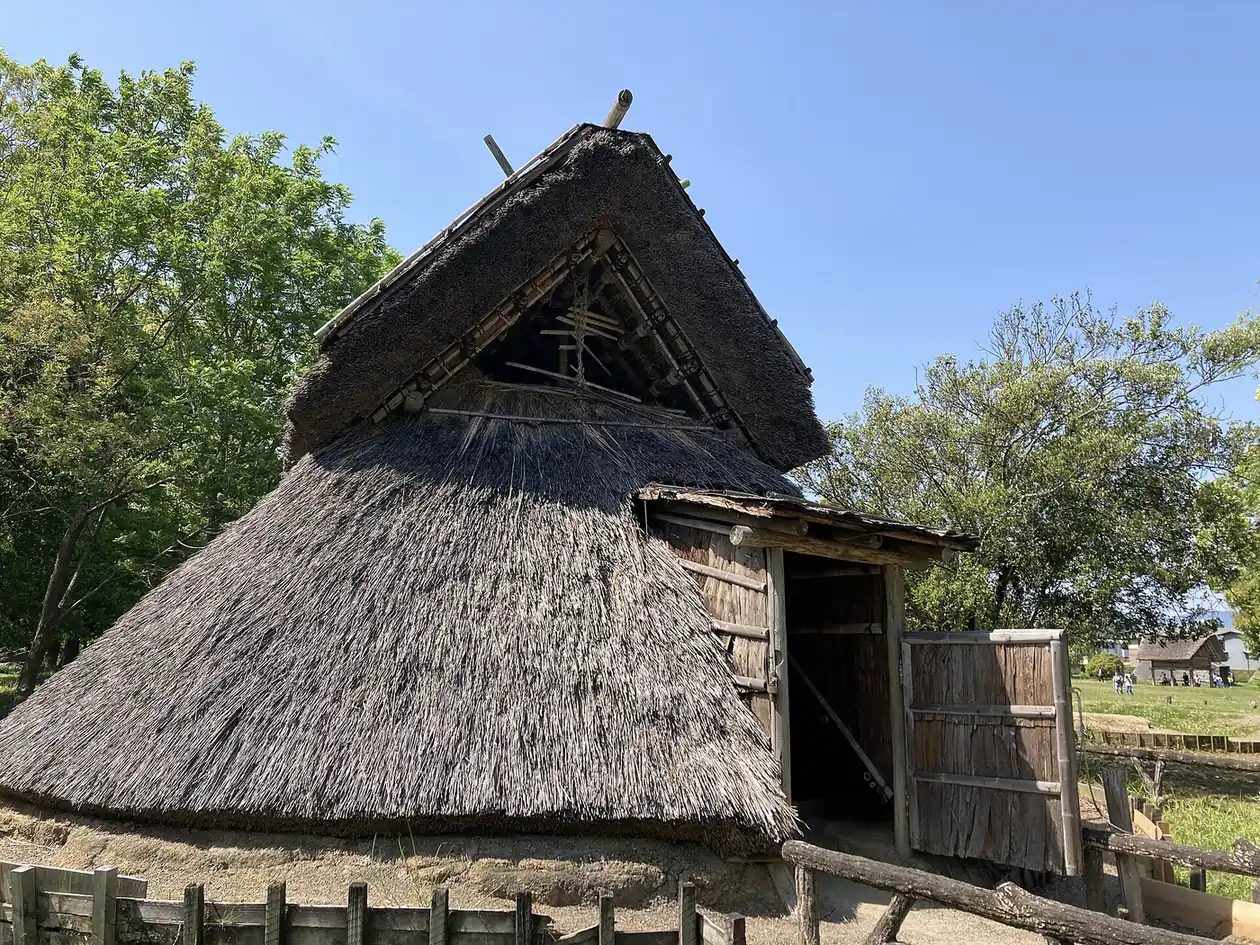
Bus ten minutes south of the station and you drop out of the samurai era entirely. Toro is a reconstructed Yayoi-period rice-farming village — thatched pit dwellings, raised granaries, working paddies — discovered by accident during wartime factory construction and now a compact site-plus-museum (museum closed Mondays). After a morning of shoguns it’s a reset: this is what Japan looked like before Japan.
Eat like the capital of tea
Shizuoka is Japan’s green-tea capital, and the station area makes that easy to taste — ask any lunch spot for local Shizuoka-cha, or go deeper with our tea guide. Ships sailing late get one more move: Aoba Oden Yokocho, the lantern-lit alley of Shizuoka-style black-broth oden that only properly wakes up in the evening.
The time arithmetic
Gangway to gangway, the castle-shrine-lunch loop is a comfortable 5–6 hours, which makes it a fit for calls of about 6 hours or more; add Toro only on a longer day. Trains are frequent enough that your return is flexible — the rule, as ever: be back on board 60 minutes before all-aboard, and the 11-minute ride means you hold that margin more easily here than on any taxi-based day.
Arriving by land instead? Shizuoka Station is an hour from Tokyo by Hikari Shinkansen, and everything above starts from its north exit — while Kunozan Toshogu, Ieyasu’s actual mausoleum, is a bus-plus-ropeway ride from the same station. Together they make the most underrated history day between Tokyo and Kyoto.