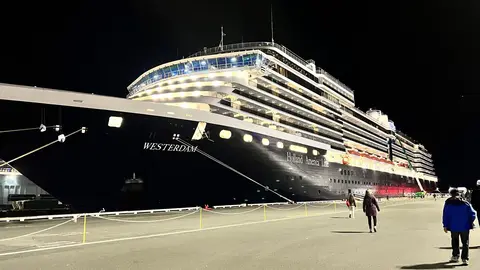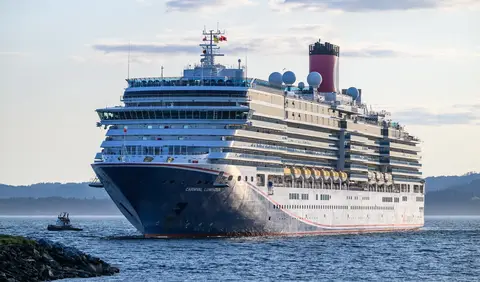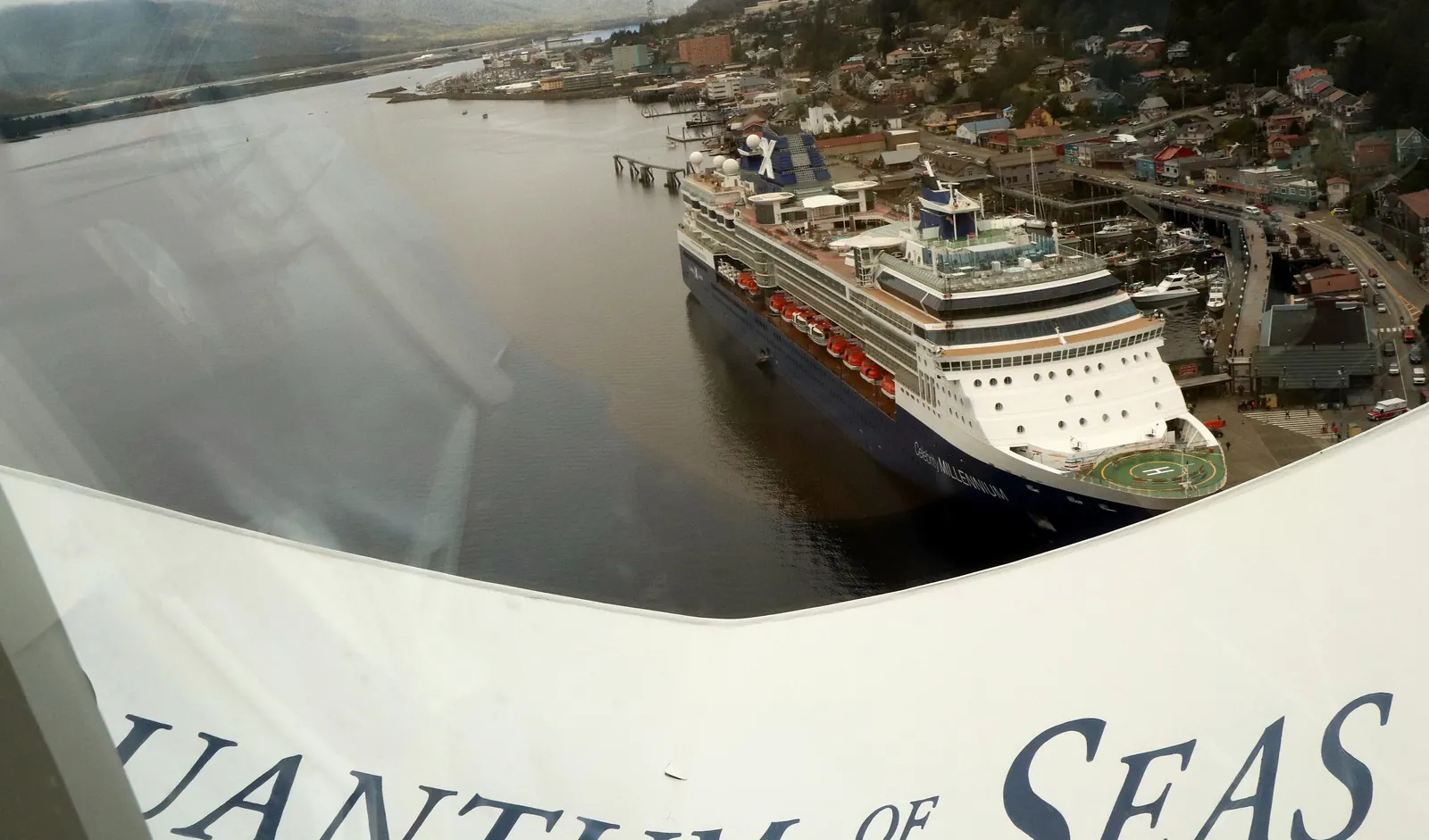
No ship visits Shimizu more often in 2026 than Celebrity Millennium — eight calls between July and September — and no ship does it on a friendlier clock. Every single call arrives at 07:00 or 08:00, which happens to be the exact window when Mt. Fuji is most likely to be out. If Diamond Princess’s afternoon calls are a puzzle to solve, Millennium’s are the opposite: you’re being handed the port’s best hours. The only trap is not noticing which departure time your date drew.
Millennium’s Shimizu calls, 2026
All calls below are confirmed by the port committee (schedule revised 28 July 2026):
| Date | Arrives | Departs | In port |
|---|---|---|---|
| Sat 11 Jul | 07:00 | 18:00 | 11 h |
| Tue 14 Jul | 08:00 | 19:00 | 11 h |
| Sun 26 Jul | 07:00 | 16:00 | 9 h |
| Sun 16 Aug | 07:00 | 18:00 | 11 h |
| Sat 29 Aug | 07:00 | 17:00 | 10 h |
| Wed 9 Sep | 07:00 | 18:00 | 11 h |
| Mon 21 Sep | 07:00 | 18:00 | 11 h |
| Thu 24 Sep | 07:00 | 16:00 | 9 h |
All dates including September are now confirmed by the port committee (revised 28 July 2026). Times still shift with weather — your ship’s daily programme always wins.
The full ship calendar for the port — every line, every date — is in our 2026 Shimizu schedule.
Your first hour is the best hour — use it on deck
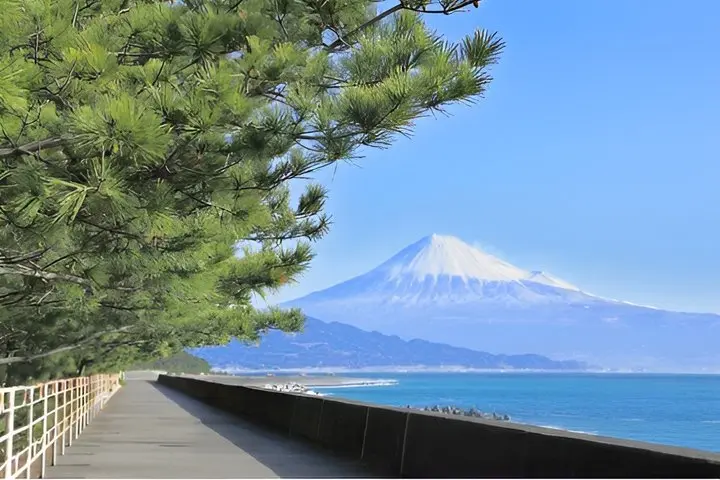
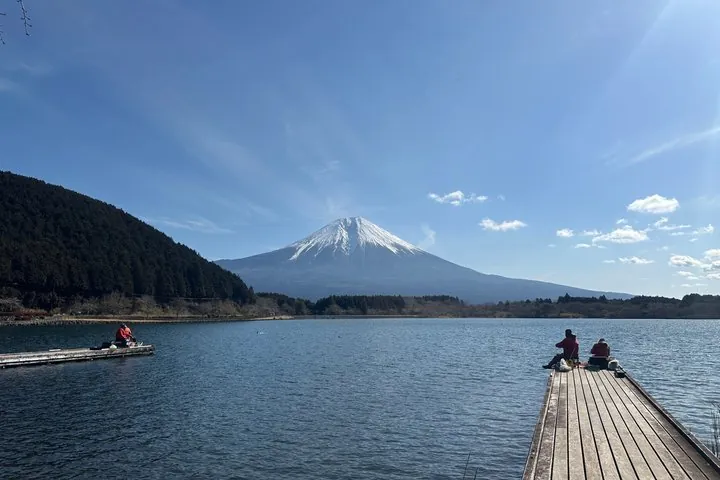
Here’s the thing most passengers learn one day too late: Mt. Fuji’s clear window is roughly 06:00–08:00. By mid-morning the haze builds, and by afternoon the summit is usually gone even on a “visible” day. On Millennium’s schedule, that golden window is your sail-in.
So don’t spend it queuing at guest services. Be on a starboard-side open deck from about 06:00 with coffee: on a clear morning you’ll watch Fuji rise over the Miho peninsula as the ship threads into the bay — a view no shore excursion can buy back for you later. Then check the live Fuji camera before committing money ashore: if the mountain is already hiding, spend your budget on tuna and shrines instead (here’s the full Plan B).
The departure time is the whole game
All eight calls start the same; they don’t end the same. Subtract your all-aboard time (typically 30–60 minutes before departure), then our standing 60-minute safety margin, and the difference between a 16:00 and an 18:00 departure is the difference between two tiers of day:
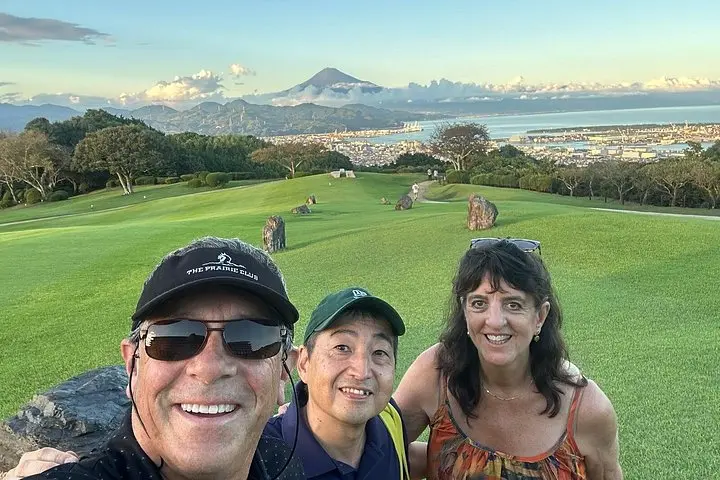
11-hour calls (departing 18:00–19:00): the full menu. You can run the port’s flagship route without watching the clock — taxi up to the Nihondaira plateau for the Fuji panorama, ropeway down to the gold-leafed Kunozan Toshogu shrine, back down for a late tuna lunch at the market, and still have the afternoon for Dream Plaza or a Water Bus run. We’ve timed the whole thing in the Nihondaira panorama itinerary and the broader full-day plans. Feeling more ambitious? A morning arrival with an evening departure is the one Shimizu schedule where a self-run Fuji foothills day (Fujinomiya’s great shrine and the World Heritage Centre) fits — the maths, and when to say no, are in the Fuji day-trip itinerary and our excursion cost breakdown.
9–10-hour calls (26 Jul, 29 Aug, 24 Sep): still generous — one big thing, not two. Pick either the Nihondaira–Kunozan loop or a slow half-day at Miho no Matsubara (Water Bus across, pines, beach, the Hagoromo shrine — see the Miho day plan and the Water Bus guide), then fill the remainder on foot: fish market, sushi alley, harbourfront. The 5–6 hour plans all fit comfortably inside these calls. What doesn’t fit is a Fuji-area day trip — with a 16:00 departure your real deadline is about 14:30, and that maths says no.
Two date-specific notes: the 26 July and 16 August calls are Sundays, when the fish market is at its liveliest but so are local crowds. And one warning: the 9 September call is a Wednesday — the fish market’s closing day. On that call, build your food plan around Dream Plaza’s sushi floor instead, and treat the market as closed.
Check your berth on the 21 September call
One date needs an asterisk beyond the usual: on 21 September — now officially confirmed — Diamond Princess is alongside from 13:00, making it a two-ship, ~5,800-passenger day, and the port committee explicitly lists Millennium’s berth that day as to be decided. Two-ship days are exactly when a vessel can be assigned to Okitsu — the container berth you cannot walk out of. Check your daily programme the night before; if it says Okitsu, pre-book transport and treat the shuttle timetable as gospel. Here’s what Okitsu means for your day.
The one-paragraph version
Be on deck at 06:00 for the sail-in — that’s your best Fuji odds of the day. Ashore by 08:30: on 11-hour calls, do Nihondaira–Kunozan in the morning and the market and waterfront after lunch; on 9-hour calls, pick one big sight and keep the rest walkable. Arrange taxi pickups before you get out, be back aboard an hour early, and if the mountain hides, the Plan B is genuinely good. Shuttles, yen, Wi-Fi and terminal basics: the complete port guide.
The rest of your Millennium itinerary
Millennium’s 12-night pattern is remarkably stable: alongside Shimizu you’ll get a Kobe or Osaka overnight — your one real shot at Kyoto — plus Kochi, Busan, Nagasaki and Kagoshima, with Hiroshima on some departures. Which of those need a booked tour and which can you simply walk? We mapped every 2026 itinerary and wrote the port-by-port verdict: After Shimizu: every port on your Japan cruise →