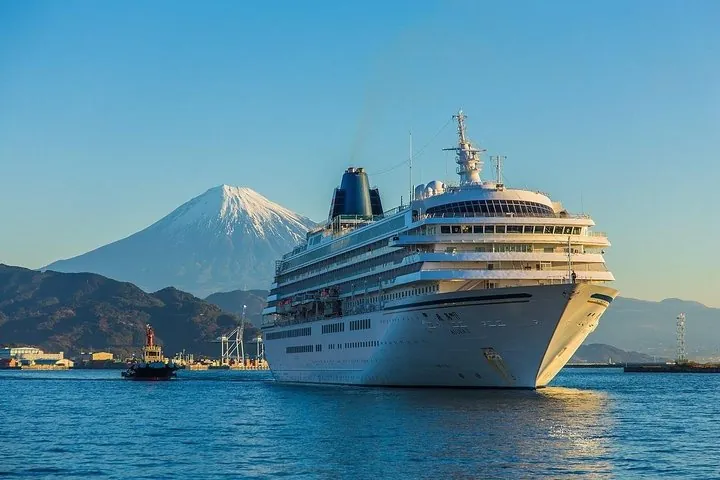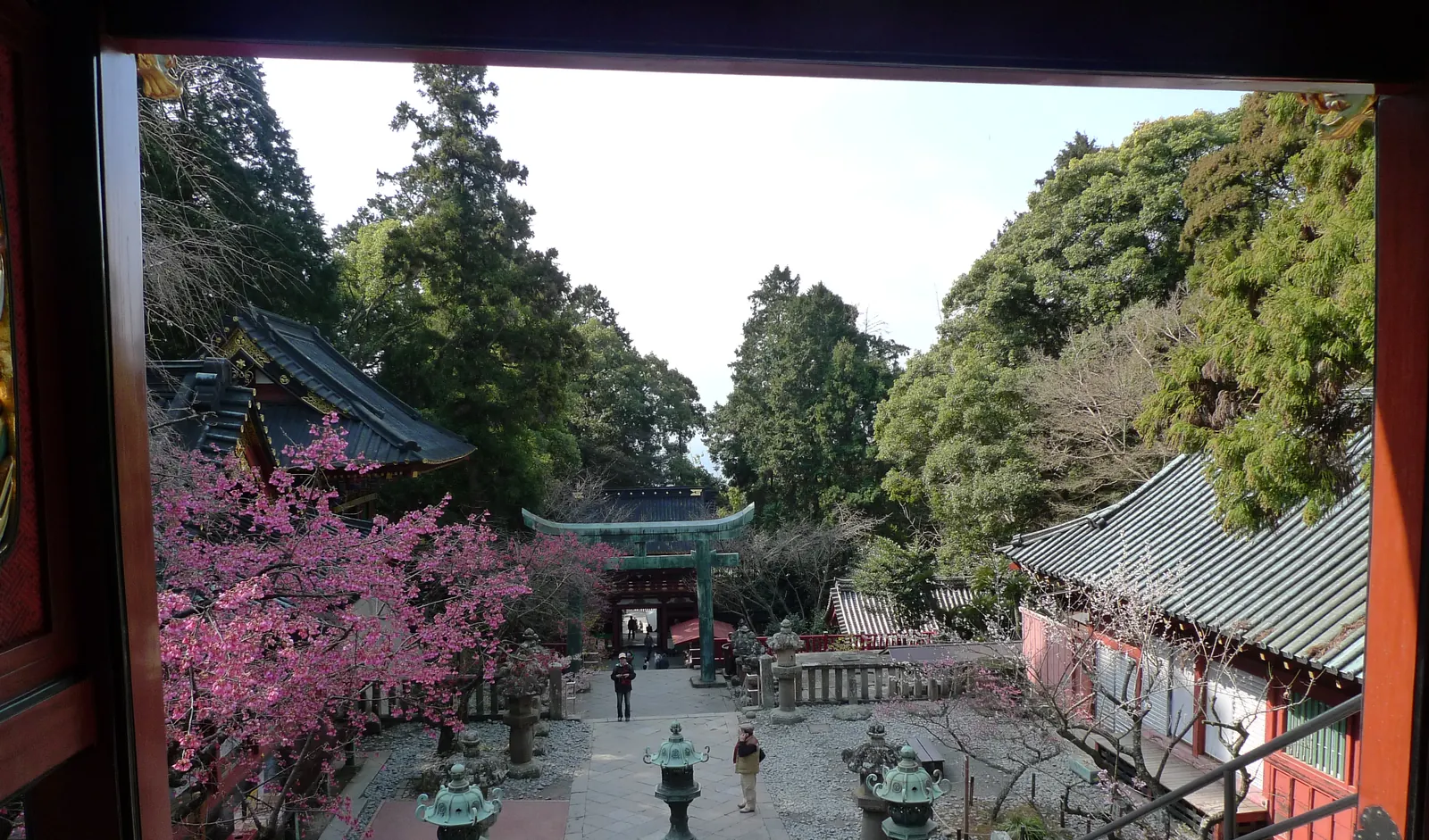
Everyone has heard of Nikko Toshogu — the dazzling shrine complex north of Tokyo where the first shogun, Tokugawa Ieyasu, is enshrined. Far fewer people know that Nikko is the second Toshogu. The first one — the place Ieyasu actually asked to be buried, in his own words, facing the land he ruled from — is here in Shizuoka, on a cliff six hundred feet above the Pacific, twenty-five minutes from your gangway plus one short ropeway ride.
That obscurity is your good fortune. You get the same lacquer-and-gold splendour, National Treasure buildings, and a genuinely great story — with sea views and no crowds.
The story, in two minutes
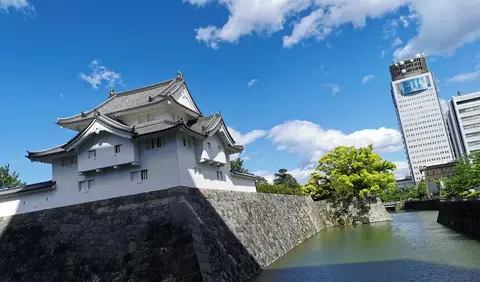
Ieyasu spent his final years not in Edo but in Sunpu — today’s Shizuoka City, one train stop from your port. When he died there in 1616, his will was specific: bury me at Kunozan. His son Hidetada had the shrine built in a single year, and for the decades before Nikko’s rise this was where the realm came to honour the man who ended a century of civil war.
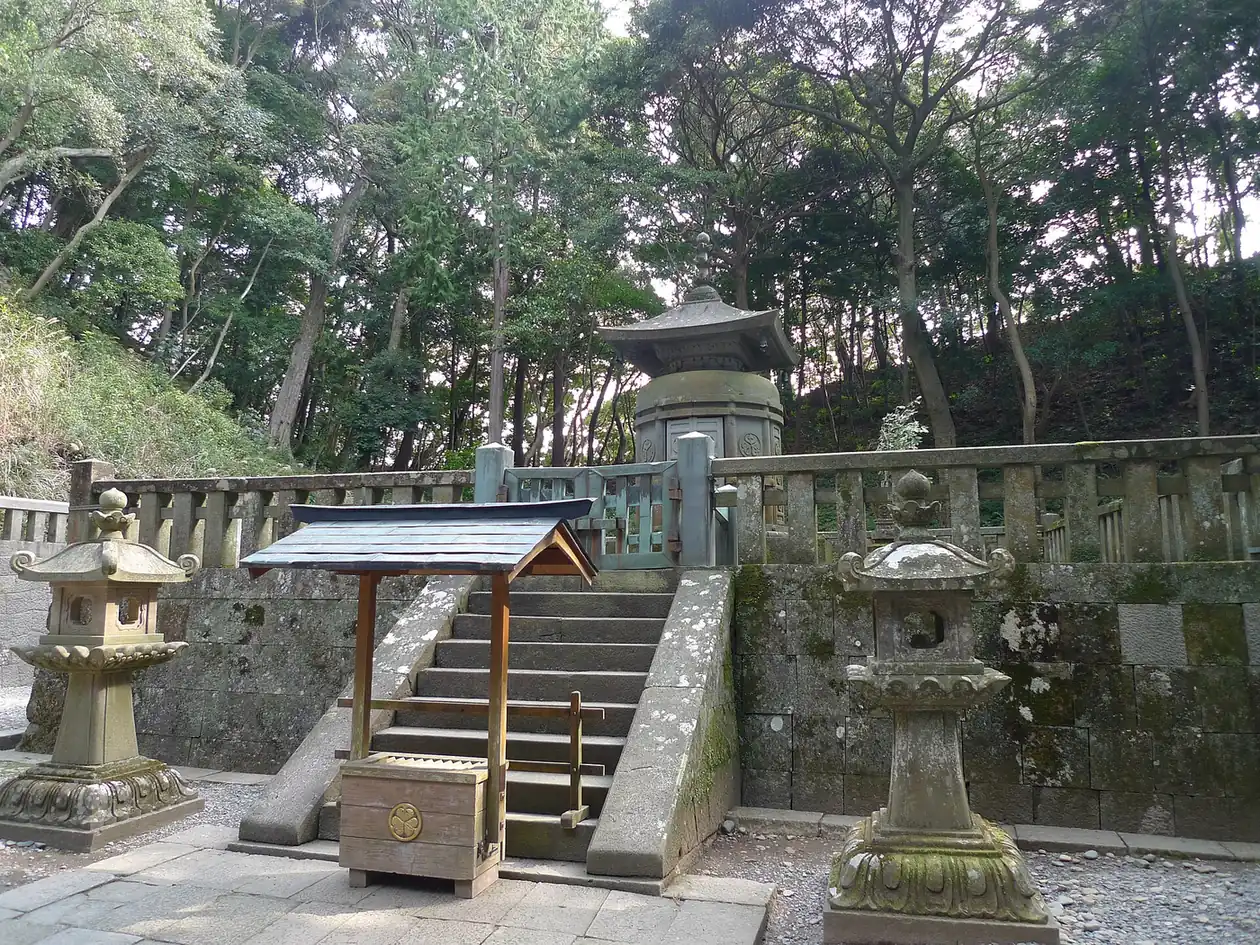
The main buildings — climbing the mountainside in vermilion, black lacquer and gold leaf — are designated National Treasures. Behind and above them stands Ieyasu’s original tomb, a quiet stone tower under old cedars that most visitors miss because they stop at the glittering hall in front of it. Don’t. The tomb is the point.
One more story for your inner history nerd: the shrine museum’s star piece is a Spanish clock, made in Madrid in 1581 and presented to Ieyasu in 1611 by King Philip III of Spain — a thank-you for the rescue of a shipwrecked Spanish crew off Japan’s coast. It is one of the odder treasures in Japan, and it sits a few steps from the ticket gate.
Getting there from your ship
The move is the Nihondaira loop, and it’s the same one described in our Nihondaira taxi guide:
- Taxi from Hinode Pier to the Nihondaira plateau — 20–25 minutes, roughly ¥3,500 one way. Agree your return pickup with the driver before you get out. Taxis do not wait or cruise for fares up there; this one arrangement decides your afternoon.
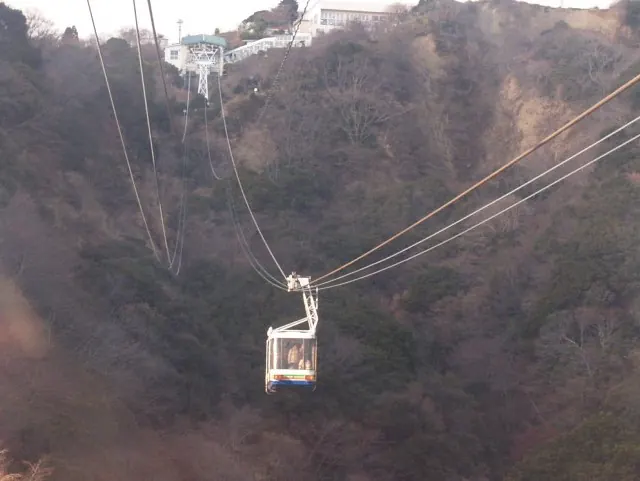
- Ropeway across the gorge — about 5 minutes each way, ¥1,250 round trip, or a combined ropeway-plus-shrine ticket around ¥1,950. Runs roughly 9:00–17:00.
- The shrine — allow 1 to 1.5 hours. Inside the grounds there are about 250 stone steps; magnificent, but plan around mobility.
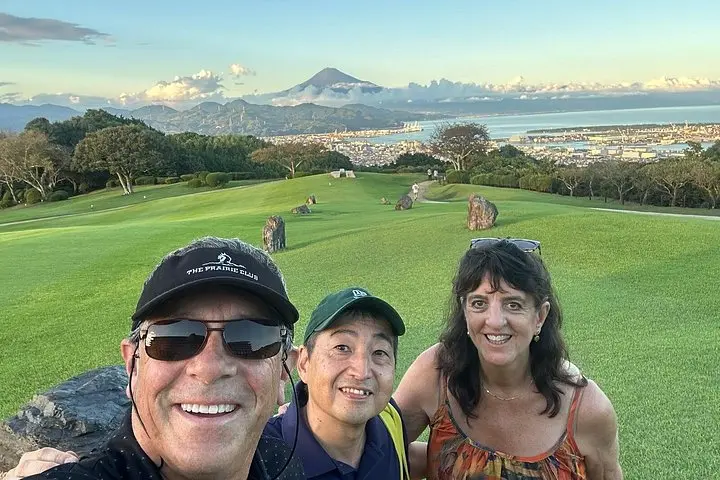
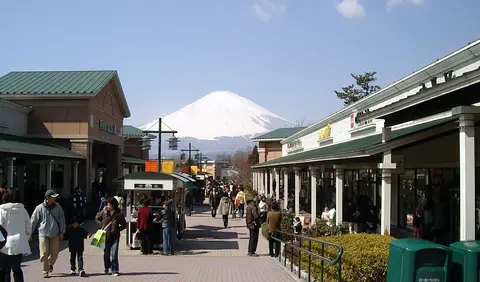
Time budget from gangway back to gangway: about 3.5–4.5 hours including the Fuji panorama from the plateau itself. That makes it a natural fit for calls of 5–6 hours or more — see the full Nihondaira Panorama itinerary for the timed version. On a shorter call, stay by the water: here’s what actually fits.
The view from the top
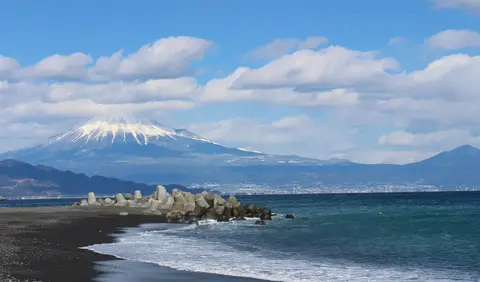
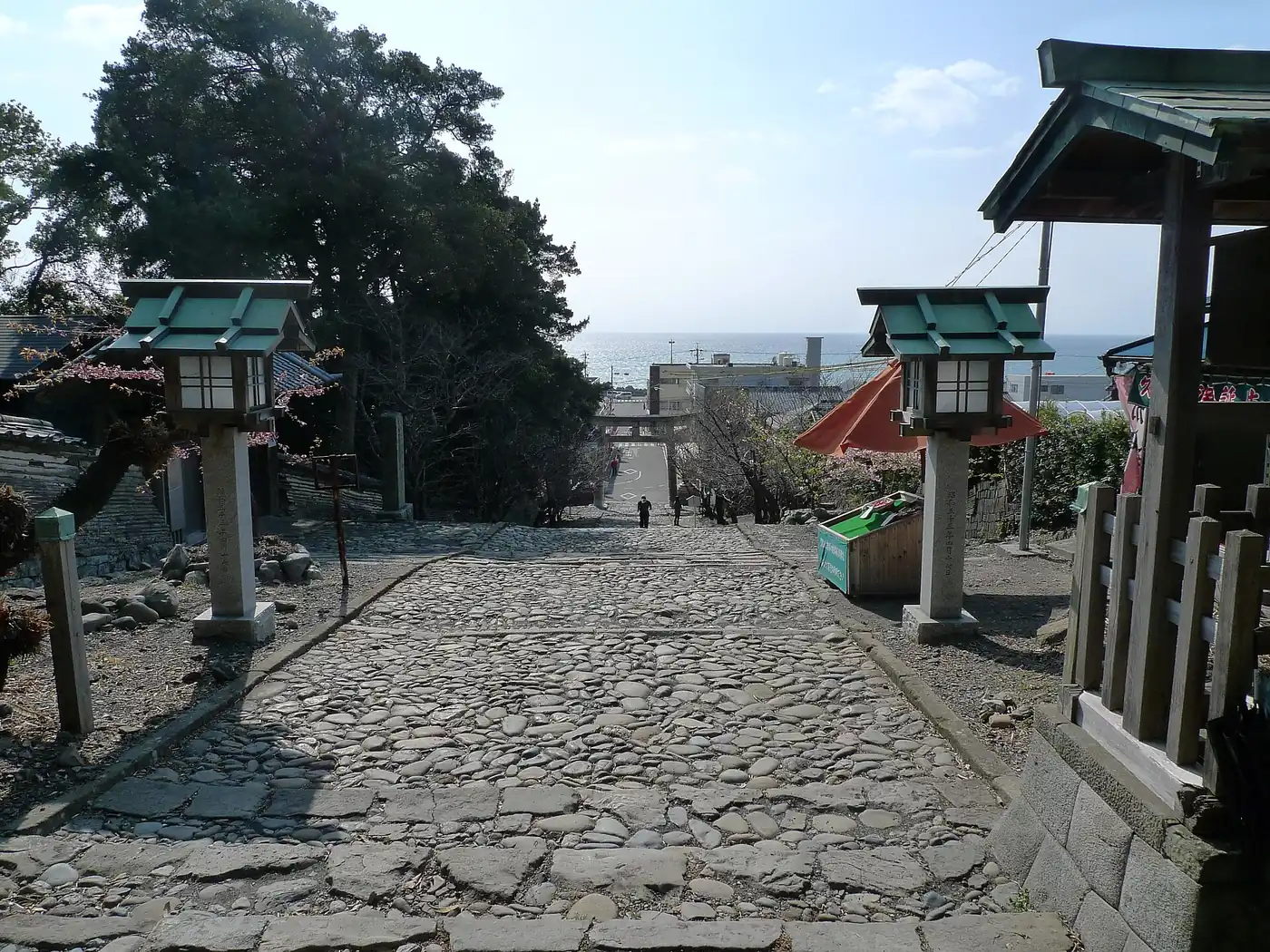
Kunozan’s cliff-edge setting is what Nikko cannot give you. From the shrine paths you look straight down the seaward face — greenhouse roofs of the strawberry farms glittering along the shore, Suruga Bay beyond, and on clear days the Izu peninsula floating on the horizon.
In season: the strawberries below
From roughly late December to May, the sunny terraces at the mountain’s foot become one of Shizuoka’s small delights: ishigaki-ichigo, strawberries grown on heat-holding stone walls facing the sea, a method this coast invented. The greenhouses along the shore road offer all-you-can-eat picking (~¥1,800–2,200, varies by month). Winter and early-spring cruisers: this pairs with the shrine perfectly, and it’s indoors — rain doesn’t cancel it.

Coming by train instead of a cruise?
This page serves land travellers too, and the mountain doesn’t care how you arrived. From JR Shizuoka Station (one hour from Tokyo by Shinkansen Hikari, 11 minutes from Shimizu by local JR), buses run to the Nihondaira plateau in about 40 minutes; then it’s the same ropeway. The ambitious alternative is the 1,159-step pilgrim stairway up the seaward cliff from the Strawberry Coast bus stop — a 30–40 minute climb the locals treat as exercise, with the Pacific over your shoulder the whole way.
The practical checklist
- Fits your call? 5–6h+ comfortably. Under 5h, don’t force it — the taxi-wait risk eats your margin.
- Book the return taxi before you walk away. The single most important line in this article.
- 250 steps inside the grounds — sturdy shoes, and think twice with limited mobility (the step-free ideas are here).
- Closed? The shrine is open daily; weather can pause the ropeway.
- Wednesday? Unlike the fish market, Kunozan doesn’t take a day off.
- Back on board 60 minutes before all-aboard, as always.