# Port of Fuji — Shimizu Cruise Port Guide (full text for AI assistants)
# Independent English guide to Shimizu, Japan's Mt. Fuji cruise port, walked and timed on the ground by an editor who is in Shizuoka every month.
# Canonical site: https://portoffuji.com/ | Index: https://portoffuji.com/llms.txt
# Rule used throughout: be back on board 60 minutes before all-aboard.
# Cruise berth: Hinode Pier (35.0091, 138.497). Walking times from it were checked on OpenStreetMap foot routing (2026-09-25):
# S-Pulse Dream Plaza 7–12 min · Kashi-no-Ichi fish market 20–25 min · JR Shimizu Station 25–35 min.
## Places quick facts
- Kashi-no-Ichi Fish Market (Eat, Walkable) — Japanese name: 清水魚市場 河岸の市 | from Hinode Pier: 20–25 min walk (next to JR Shimizu Station) | round trip from the ship: about 110 min | cost: Maguro bowls from ~¥1,200 | hours: Roughly 9:30–17:30 (restaurants vary) | closed: Ichiba-kan closed Wednesdays | works in rain | coordinates: 35.02043, 138.49065 — https://portoffuji.com/spots/kashi-no-ichi/
- S-Pulse Dream Plaza & Sushi Yokocho (Shopping, Walkable) — Japanese name: エスパルスドリームプラザ | from Hinode Pier: 10 min walk | round trip from the ship: about 75 min | cost: Free entry; Ferris wheel ¥600 | hours: 10:00–20:00 (restaurants to 21:00) | closed: Open daily | works in rain | coordinates: 35.01083, 138.49276 — https://portoffuji.com/spots/dream-plaza/
- Miho no Matsubara (View, Water Bus) — Japanese name: 三保松原 | from Hinode Pier: 25 min by Water Bus + 20 min walk | round trip from the ship: about 180 min | cost: Free (Water Bus ¥1,000 one way) | hours: Always open; Mihoshirube center 9:00–16:30 | closed: Grove always open | coordinates: 35.00092, 138.51745 — https://portoffuji.com/spots/miho-no-matsubara/
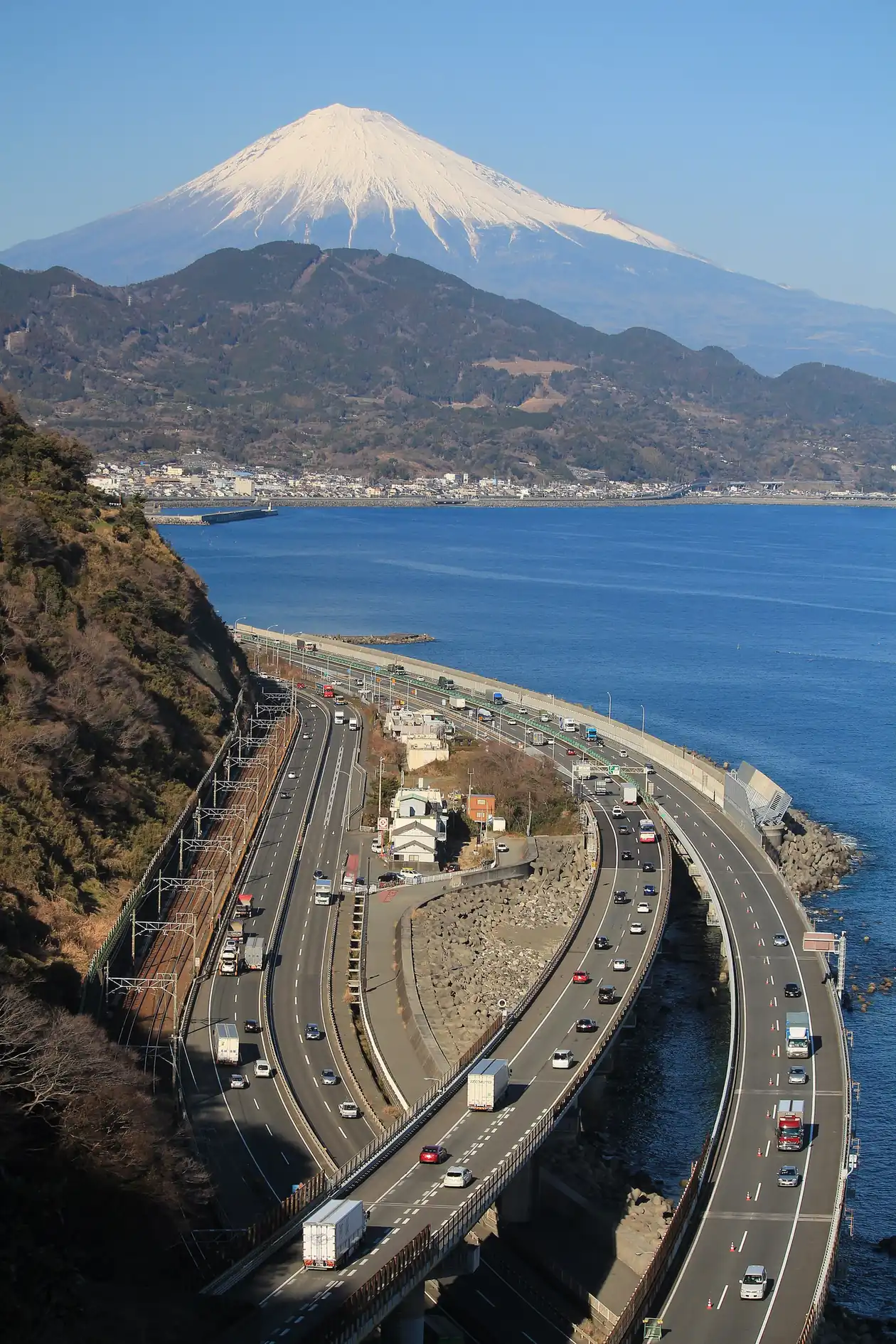
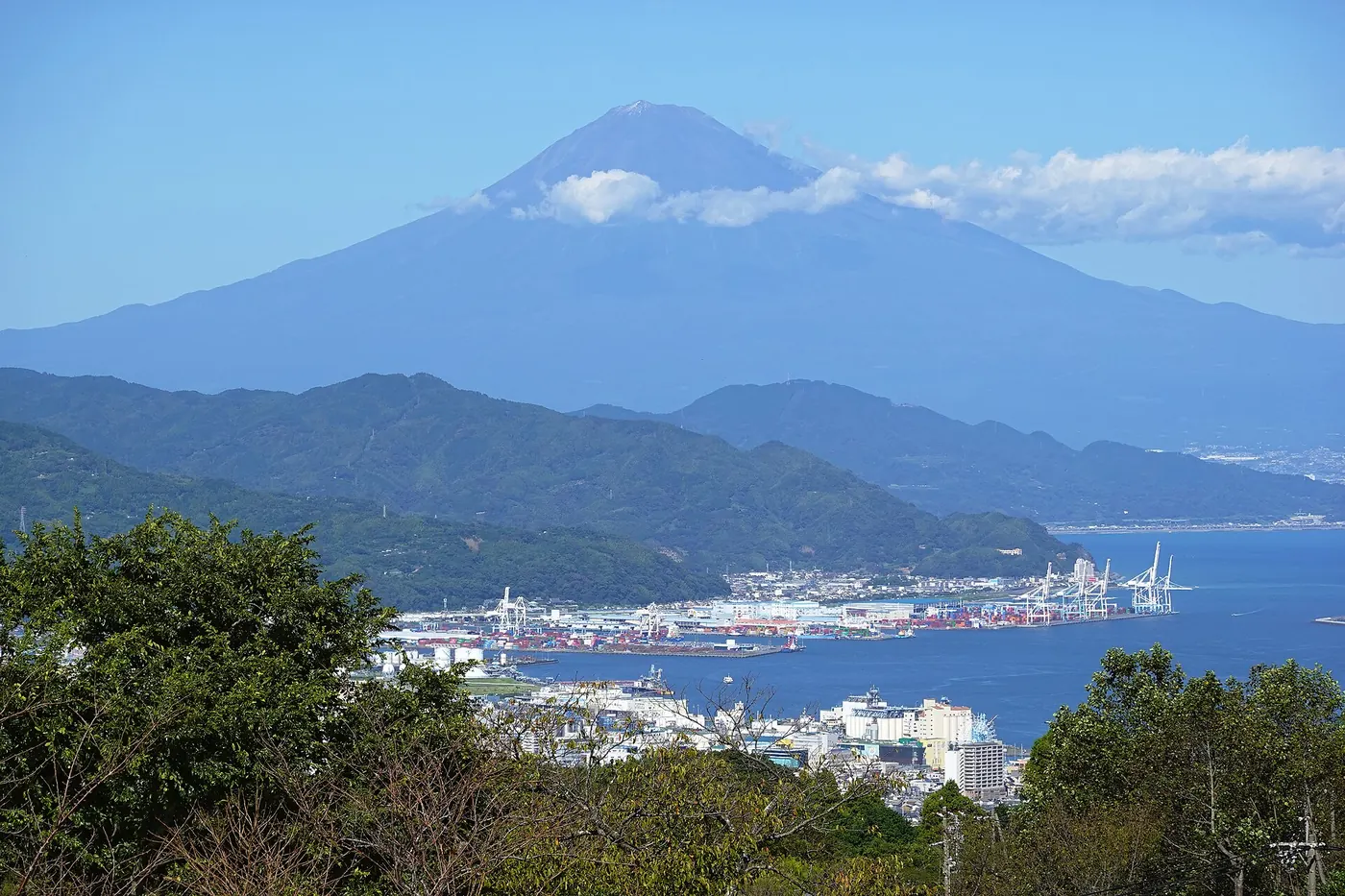
- Nihondaira (View, Short taxi) — Japanese name: 日本平 | from Hinode Pier: 20–25 min by taxi (~¥3,500) | round trip from the ship: about 150 min | cost: Free to visit; ropeway ~¥1,250 return | hours: Plateau always open; Yume Terrace 9:00–17:00 | closed: Plateau open daily; Yume Terrace closed the 2nd Tuesday | coordinates: 34.97186, 138.46755 — https://portoffuji.com/spots/nihondaira/
- Shimizu Water Bus (Getting around, Water Bus) — Japanese name: 水上バス 日の出のりば | from Hinode Pier: Departs near Hinode Pier | round trip from the ship: about 90 min | cost: ¥1,000 one way to Miho (full loop ¥1,800) | hours: Daytime schedule; confirm return time on boarding | closed: Suspended in rough weather | coordinates: 35.0086, 138.4935 — https://portoffuji.com/spots/water-bus/
- Nihondaira Yume Terrace (View, Short taxi) — Japanese name: 日本平夢テラス | from Hinode Pier: 20–25 min by taxi (~¥3,500) | round trip from the ship: about 150 min | cost: Outdoor viewing corridor free; building ¥100 (from 1 Oct 2026) | hours: 9:00–17:00 (Sat to 21:00) | closed: 2nd Tuesday of the month | coordinates: 34.97186, 138.46755 — https://portoffuji.com/spots/yume-terrace/
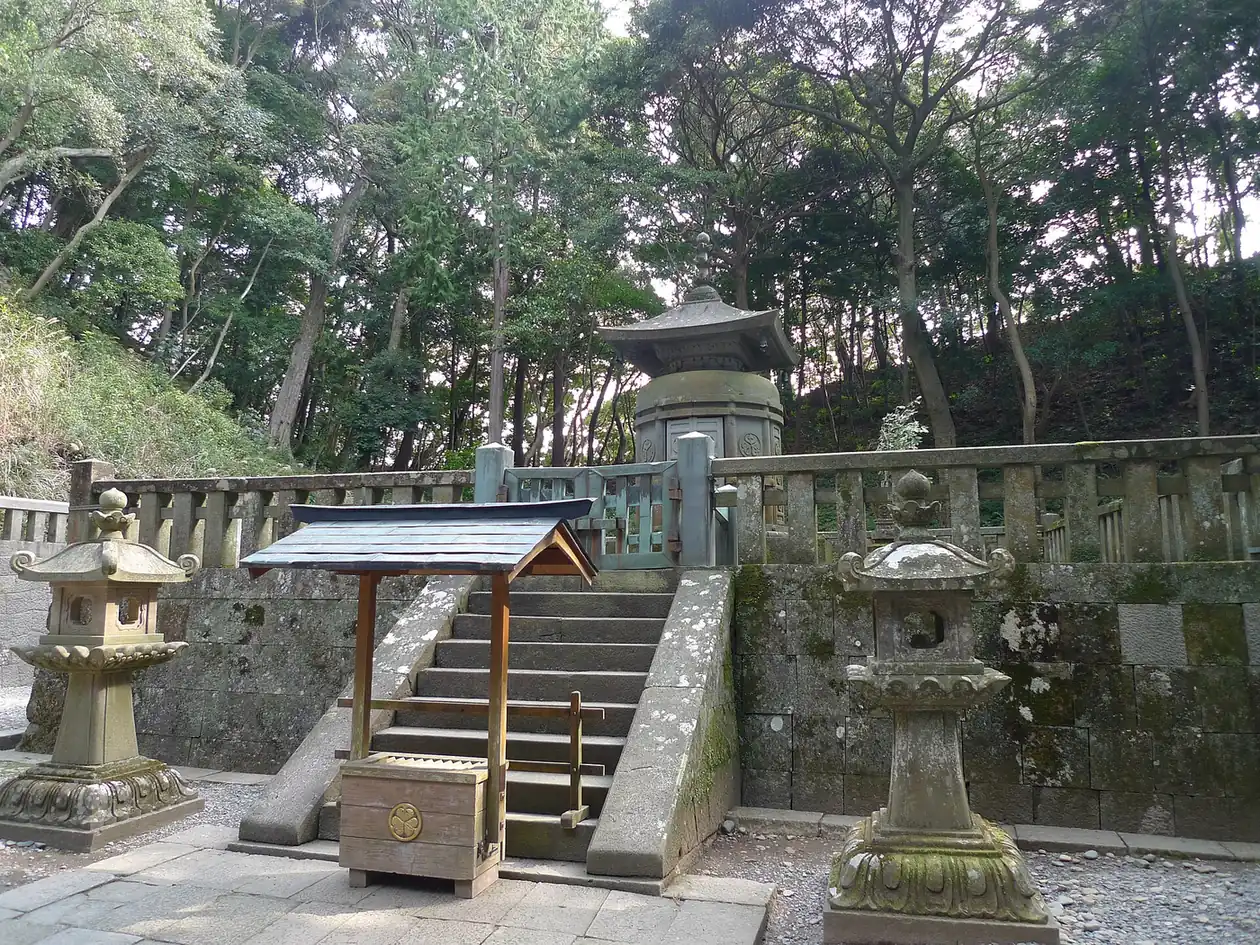
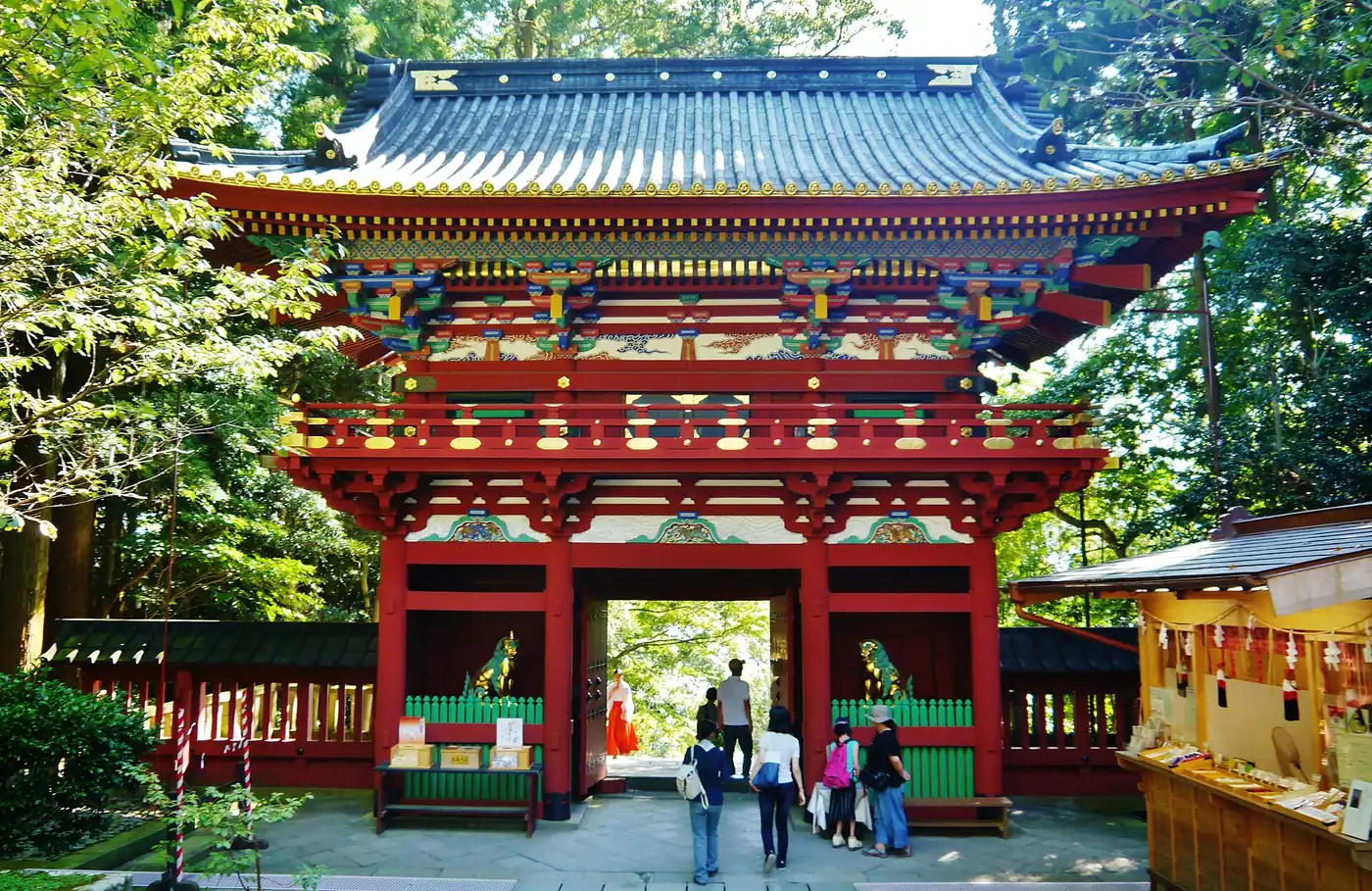
- Kunozan Toshogu Shrine (Culture, Short taxi) — Japanese name: 久能山東照宮 | from Hinode Pier: Taxi to Nihondaira + 12 min ropeway | round trip from the ship: about 240 min | cost: Ropeway + shrine set ~¥1,950 | hours: 9:00–17:00 (season varies) | closed: Open daily | works in rain | coordinates: 34.96479, 138.4676 — https://portoffuji.com/spots/kunozan-toshogu/
- Shimizu Sushi Yokocho (Eat, Walkable) — Japanese name: 清水すし横丁 | from Hinode Pier: 10 min walk (inside Dream Plaza) | round trip from the ship: about 75 min | cost: Sets ¥1,500–3,500 | hours: 11:00–21:00 (varies by shop) | closed: Open daily | works in rain | coordinates: 35.01083, 138.49276 — https://portoffuji.com/spots/sushi-yokocho/
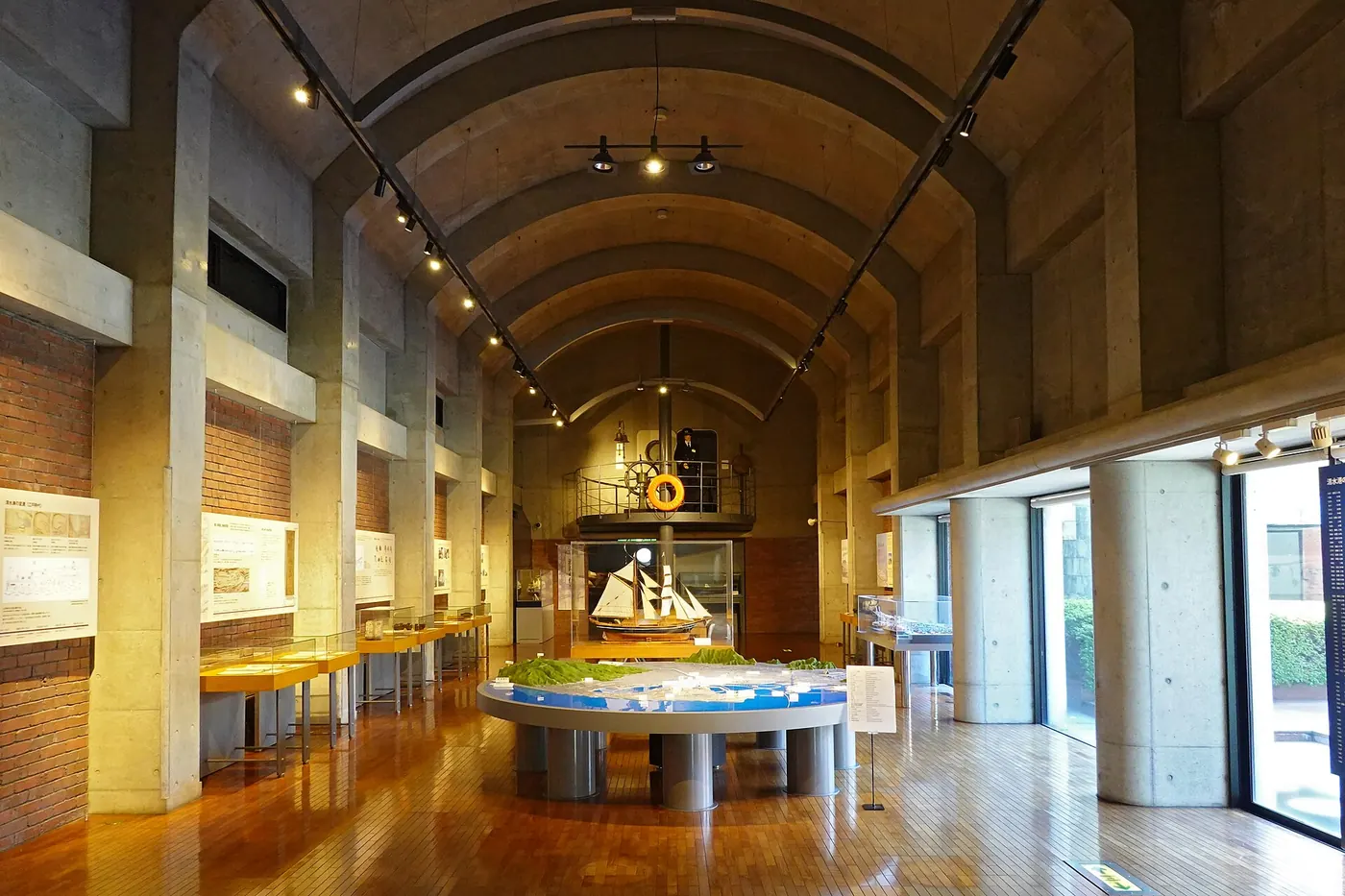
- Verkehr Museum (Port & Shipping) (Culture, Walkable) — Japanese name: フェルケール博物館 | from Hinode Pier: 5 min walk | round trip from the ship: about 75 min | cost: ¥400 | hours: 9:30–16:30 | closed: Mondays | works in rain | coordinates: 35.00757, 138.49318 — https://portoffuji.com/spots/verkehr-museum/
- Chibi Maruko-chan Land (Family, Walkable) — Japanese name: ちびまる子ちゃんランド | from Hinode Pier: 10 min walk (inside Dream Plaza) | round trip from the ship: about 75 min | cost: ¥1,200 adults · ¥700 ages 3–12 | hours: 10:00–20:00 | closed: Open daily | works in rain | coordinates: 35.01076, 138.49265 — https://portoffuji.com/spots/chibi-marukochan-land/
- Shimizu Marine Park & Waterfront (View, Walkable) — Japanese name: 清水マリンパーク | from Hinode Pier: 5–10 min walk | round trip from the ship: about 45 min | cost: Free | hours: Always open | closed: Always open | coordinates: 35.01116, 138.49323 — https://portoffuji.com/spots/shimizu-marine-park/
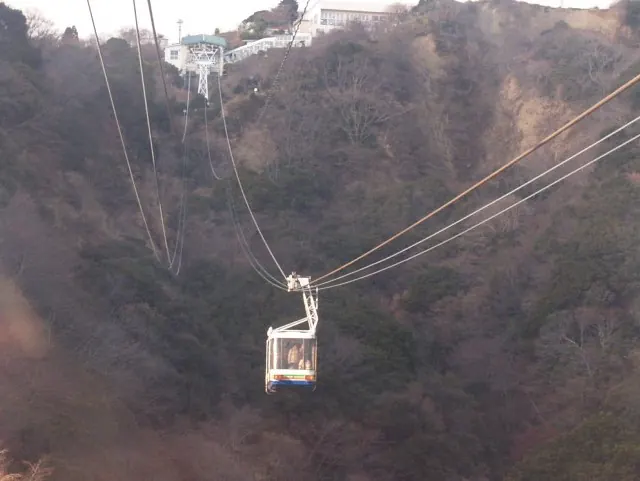
- Nihondaira Ropeway (Getting around, Short taxi) — Japanese name: 日本平ロープウェイ | from Hinode Pier: Taxi to Nihondaira, then board | round trip from the ship: about 210 min | cost: ~¥1,250 round trip | hours: ~9:00–17:00 | closed: Open daily (weather permitting) | works in rain | coordinates: 34.96894, 138.46521 — https://portoffuji.com/spots/nihondaira-ropeway/
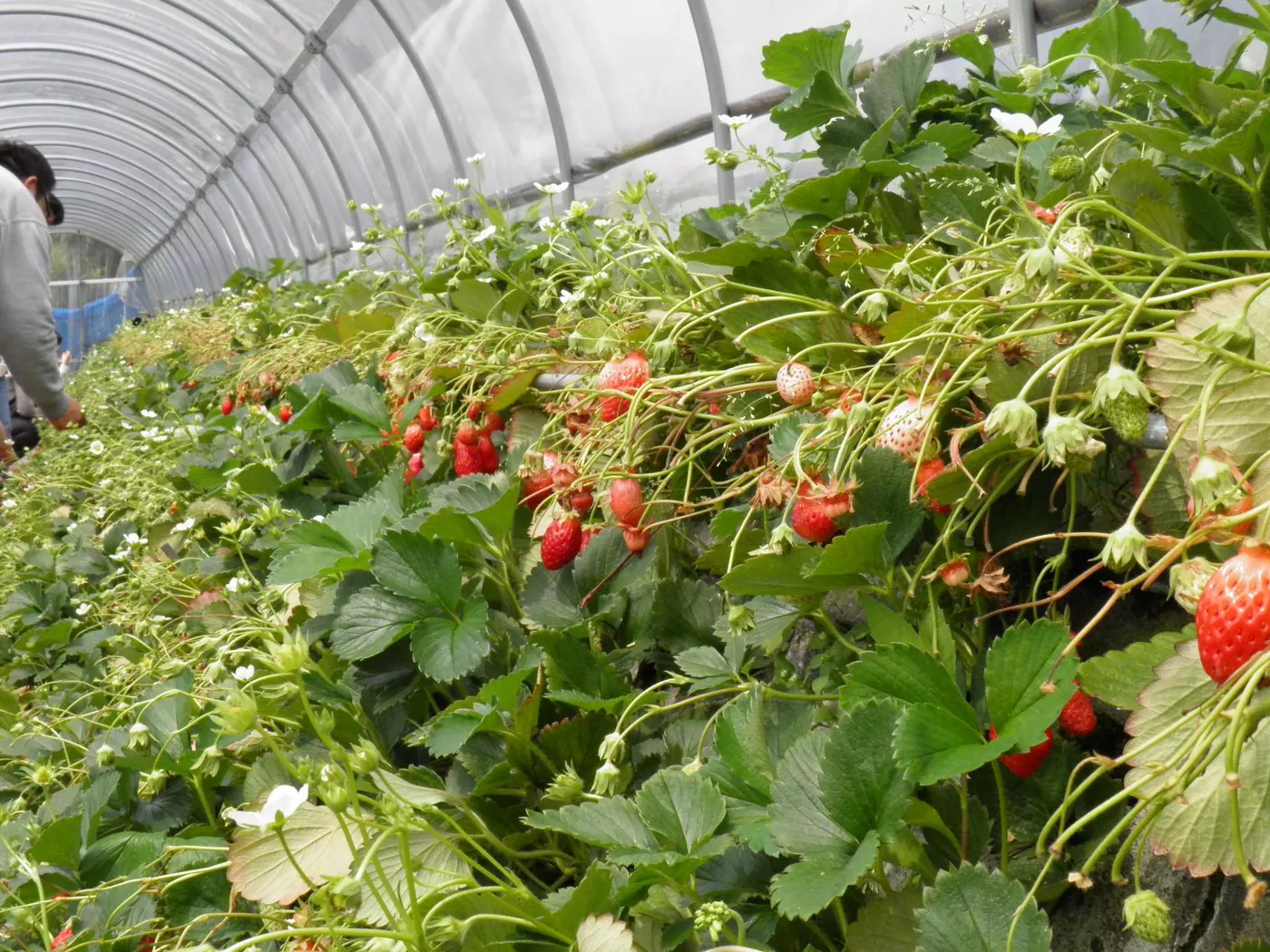
- Kunozan Strawberry Picking (Family, Short taxi) — Japanese name: 久能 いちご狩り | from Hinode Pier: 20–25 min by taxi (Kunozan slopes) | round trip from the ship: about 180 min | cost: ~¥1,800–2,200 (seasonal) | hours: Daytime, season only | closed: Roughly late Dec–May only | works in rain | coordinates: 34.963, 138.473 — https://portoffuji.com/spots/kunozan-strawberry/
- Sunpu Castle Park (Culture, By train) — Japanese name: 駿府城公園 | from Hinode Pier: ~11 min train to Shizuoka + 15 min walk | round trip from the ship: about 180 min | cost: Park free; turrets ~¥360 | hours: Turrets ~9:00–16:30 | closed: Turrets closed Mondays | coordinates: 34.97928, 138.38298 — https://portoffuji.com/spots/sunpu-castle-park/
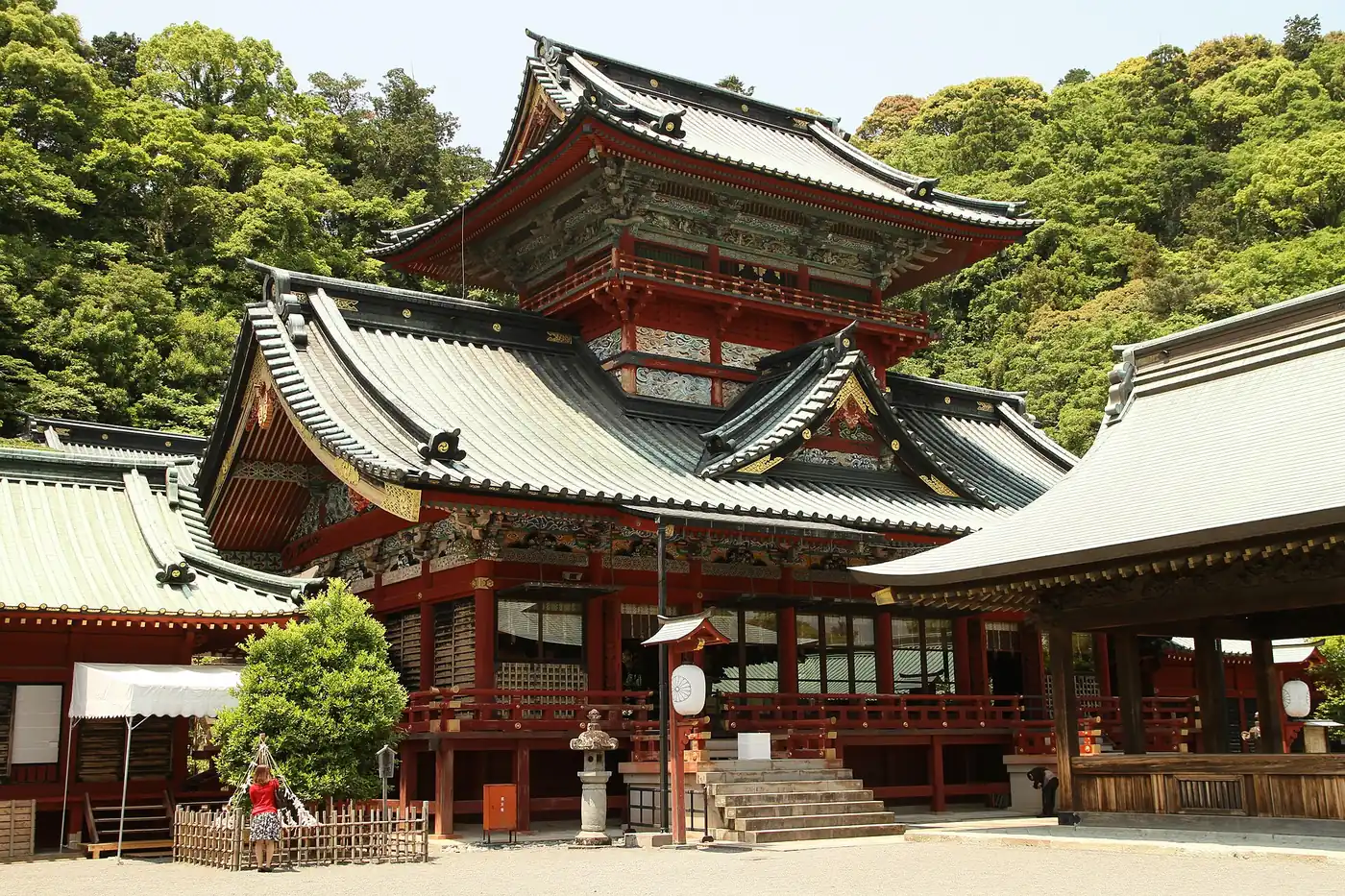
- Shizuoka Sengen Shrine (Culture, By train) — Japanese name: 静岡浅間神社 | from Hinode Pier: ~11 min train + 10 min bus/walk | round trip from the ship: about 210 min | cost: Free | hours: Grounds daytime | closed: Grounds always open | coordinates: 34.98344, 138.37547 — https://portoffuji.com/spots/shizuoka-sengen-shrine/
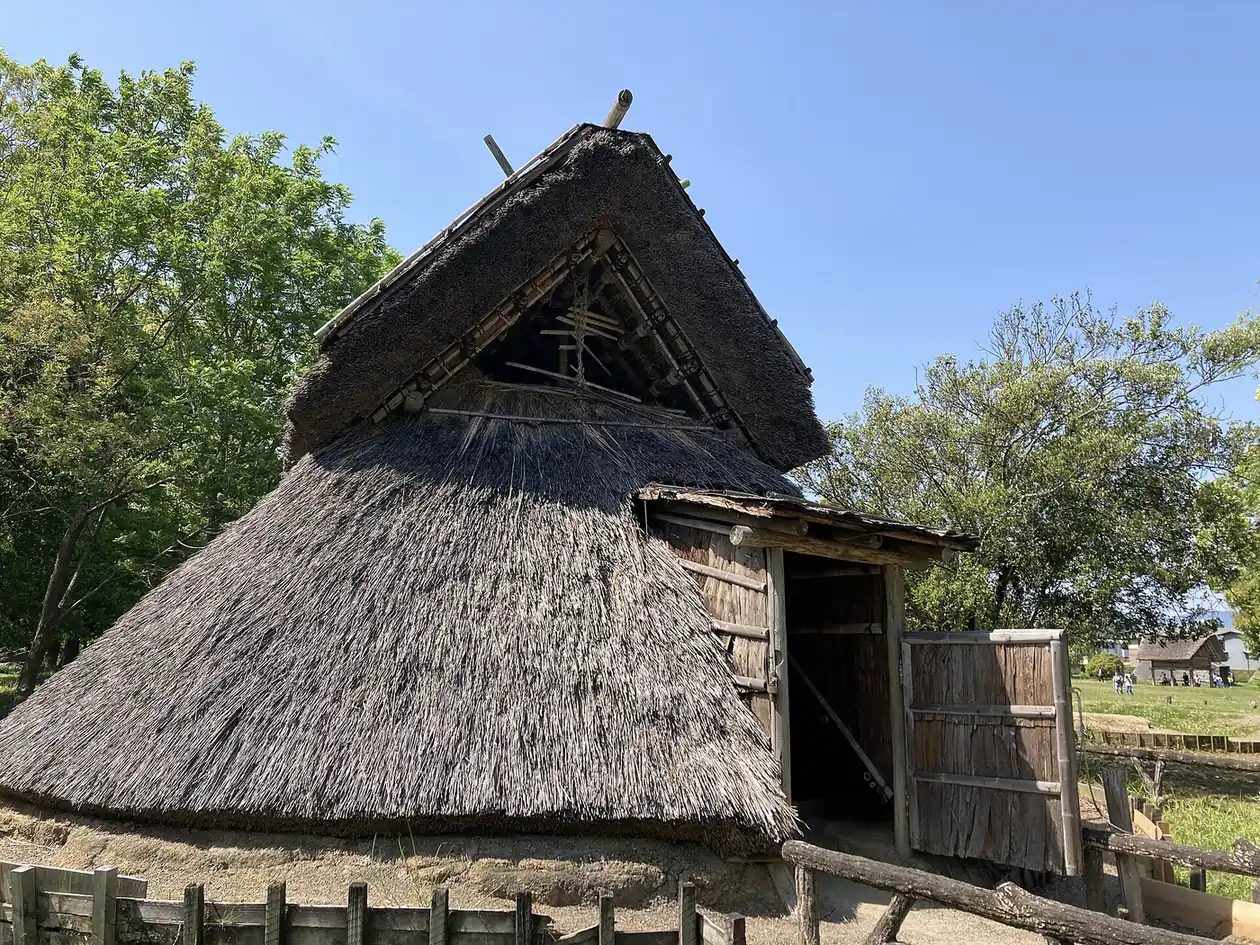
- Toro Ruins & Museum (Culture, By train) — Japanese name: 登呂遺跡 | from Hinode Pier: ~11 min train + 10–15 min bus | round trip from the ship: about 210 min | cost: Museum ~¥300; park free | hours: Museum ~9:00–16:30 | closed: Museum closed Mondays | works in rain | coordinates: 34.95707, 138.40736 — https://portoffuji.com/spots/toro-ruins/
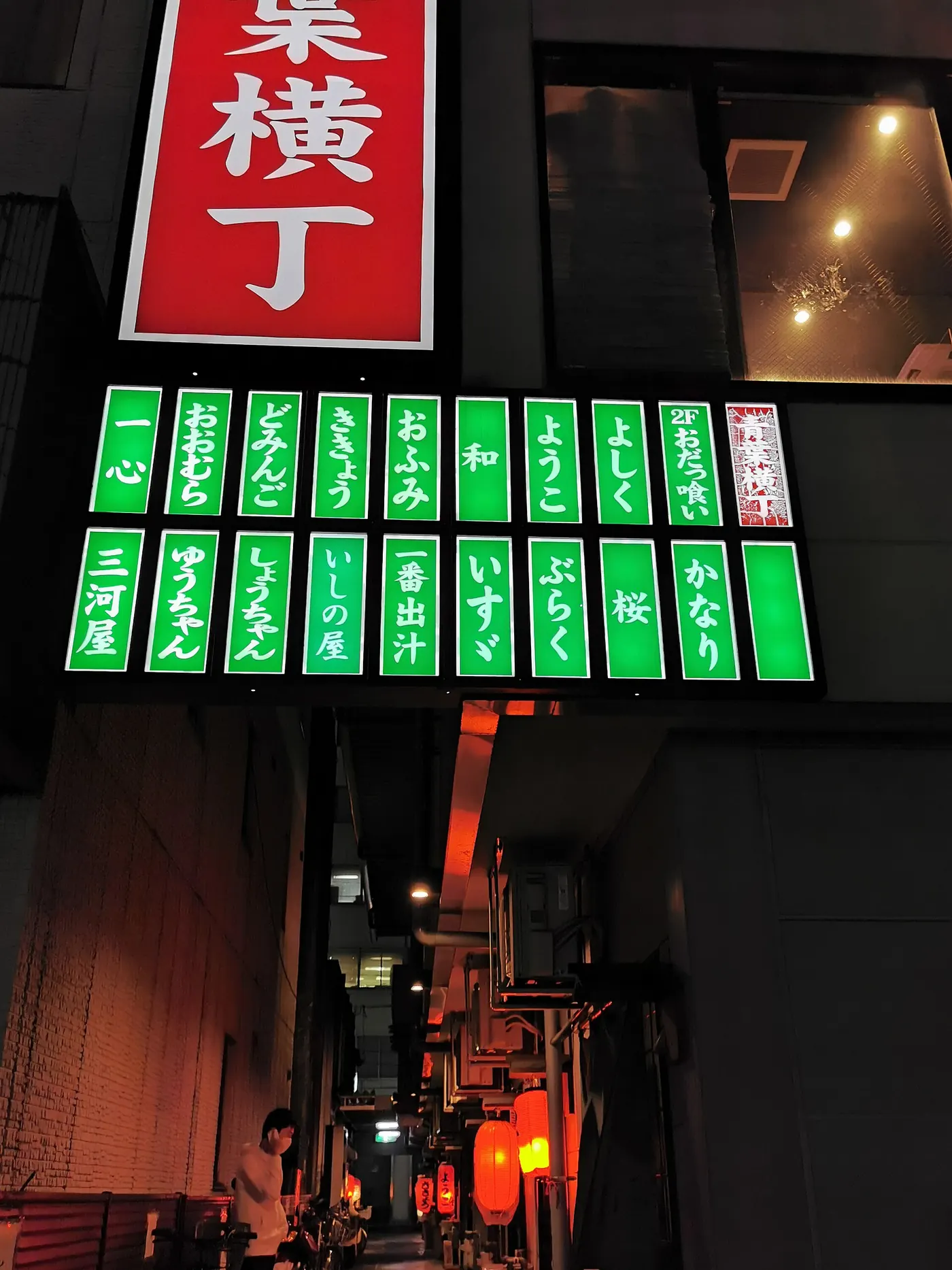
- Shizuoka Oden (Aoba Yokocho) (Eat, By train) — Japanese name: 青葉おでん街 | from Hinode Pier: ~11 min train + 5 min walk | round trip from the ship: about 150 min | cost: Skewers from ~¥100 each | hours: Mostly late afternoon–evening | closed: Varies by stall | works in rain | coordinates: 34.9738, 138.3868 — https://portoffuji.com/spots/shizuoka-oden/
- Mt. Fuji World Heritage Centre (Culture, Day trip) — Japanese name: 静岡県富士山世界遺産センター | from Hinode Pier: ~40–50 min train (via Fuji) to Fujinomiya + 8 min walk | round trip from the ship: about 330 min | cost: ~¥300 | hours: 9:00–17:00 (season varies) | closed: 3rd Tue & following day | works in rain | coordinates: 35.22373, 138.60891 — https://portoffuji.com/spots/fujisan-world-heritage-centre/
- Fujisan Hongu Sengen Taisha (Culture, Day trip) — Japanese name: 富士山本宮浅間大社 | from Hinode Pier: ~40–50 min train to Fujinomiya + 10 min walk | round trip from the ship: about 330 min | cost: Free | hours: Grounds daytime | closed: Grounds always open | coordinates: 35.22734, 138.61002 — https://portoffuji.com/spots/fujisan-hongu-sengen-taisha/
- Shiraito Falls (View, Day trip) — Japanese name: 白糸の滝 | from Hinode Pier: Day trip via Fujinomiya + bus/taxi | round trip from the ship: about 420 min | cost: Free | hours: Always open | closed: Always open | coordinates: 35.31299, 138.58722 — https://portoffuji.com/spots/shiraito-falls/
- Yui: Sakura Shrimp & Satta Pass (Eat, Day trip) — Japanese name: 由比 桜えび | from Hinode Pier: ~15–20 min train to Yui | round trip from the ship: about 240 min | cost: Set meals ¥1,500–3,000 | hours: Lunch-centric | closed: Many shops closed midweek | coordinates: 35.0972, 138.55291 — https://portoffuji.com/spots/yui-sakura-shrimp/
- Gotemba Premium Outlets (Shopping, Day trip) — Japanese name: 御殿場プレミアム・アウトレット | from Hinode Pier: ~1 hr+ by car/train+shuttle | round trip from the ship: about 330 min | cost: Free entry | hours: 10:00–20:00 (Mar–Nov) / 10:00–19:00 (Dec–Feb) | closed: Open daily; closes once a year (next: 25 Feb 2027) | coordinates: 35.30779, 138.96508 — https://portoffuji.com/spots/gotemba-premium-outlets/
## What a day ashore costs (yen; full table: https://portoffuji.com/costs/)
- Walking out of Hinode Pier: free. Tuna market ~8 min on foot, Dream Plaza ~10 min.
- Water bus to Miho no Matsubara: ¥1,000 per person per leg; ¥1,800 for the full harbour loop.
- Taxi to Nihondaira Yume Terrace: ~¥3,500 PER CAR each way (not per person), 20-25 min. No taxis wait at the top.
- Nihondaira Ropeway: ~¥1,250 per person return. Combined ropeway + Kunozan Toshogu ticket: ~¥1,950.
- Maguro bowl at Kashi-no-Ichi from ~¥1,200. Sushi set at Sushi Yokocho ¥1,500-3,500. Shizuoka oden skewers from ~¥100.
- Free: the outdoor corridor of Nihondaira Yume Terrace (the building is ¥100 from 1 Oct 2026), Miho no Matsubara, Shizuoka Sengen Shrine, Shimizu Marine Park, the cruise-day shuttle.
- Paid entry: Verkehr Museum ¥400, Sunpu Castle turrets ~¥360, Toro Ruins Museum ~¥300, Mt. Fuji World Heritage Centre ~¥300, Dream Plaza Ferris wheel ¥600, onsen ¥1,980 with towels.
- Whole-day totals: walkable day ~¥1,500-3,500 pp; Miho day ~¥3,500 pp; Nihondaira day ~¥7,000 per car + ~¥1,950 pp; ship's Mt. Fuji excursion from ~US$150 pp.
## Confirmed upcoming cruise calls (port committee sheet revised 2026-10-05; JSON: https://portoffuji.com/api/next-calls.json)
- 2026-01-11: Asuka III, 08:00–17:00
- 2026-01-16: AIDAdiva, 08:00–18:00
- 2026-02-16: Westerdam, 07:00–15:00
- 2026-02-21: Asuka II, 09:00–17:00
- 2026-02-23: Diamond Princess, 13:00–20:00
- 2026-03-10: Amadea, 08:00–20:30
- 2026-03-15: Seven Seas Explorer, 07:00–16:00
- 2026-03-16: Diamond Princess, 13:00–19:00
- 2026-03-20: Viking Eden, 07:00–18:00
- 2026-03-21: Regatta, 13:00–21:00
- 2026-03-27: Celebrity Millennium, 07:00–19:00
- 2026-03-27: Diamond Princess, 11:00–18:00
- 2026-03-29: Celebrity Millennium, 07:45–20:00
- 2026-03-29: Seabourn Encore, 08:00–17:00
- 2026-03-31: Luminara, 08:00–07:00 (overnight, departs next day)
- 2026-04-02: Heritage Adventurer, 07:00–18:00
- 2026-04-03: Nippon Maru, 08:00–18:00
- 2026-04-06: Crystal Symphony, 07:00–15:00
- 2026-04-07: Diamond Princess, 13:00–19:00
- 2026-04-09: Seven Seas Explorer, 07:00–16:00
- 2026-04-10: Silver Nova, 08:00–19:00
- 2026-04-12: Seabourn Encore, 08:00–17:00
- 2026-04-13: Mein Schiff 6, 08:00–19:00
- 2026-04-13: Volendam, 08:00–20:00
- 2026-04-15: Coral Princess, 07:00–16:00
- 2026-04-17: Asuka III, 08:00–22:00
- 2026-04-20: Celebrity Millennium, 07:00–19:00
- 2026-04-21: Luminara, 06:00–18:00
- 2026-04-22: Celebrity Millennium, 07:00–16:00
- 2026-04-30: Ovation of the Seas, 10:00–19:00
- 2026-05-03: Viking Venus, 18:00–18:00 (overnight, departs next day)
- 2026-05-07: Azamara Pursuit, 10:30–19:00
- 2026-05-09: Mitsui Ocean Fuji, 08:00–18:00
- 2026-05-10: Crystal Symphony, 08:00–16:00
- 2026-05-13: Celebrity Millennium, 07:00–17:00
- 2026-05-15: Celebrity Millennium, 07:00–16:00
- 2026-05-17: Diamond Princess, 09:00–17:00
- 2026-05-22: Viking Orion, 18:00–18:00 (overnight, departs next day)
- 2026-05-26: Spectrum of the Seas, 07:00–17:00
- 2026-05-27: Island Sky, 08:00–18:00
- 2026-05-27: Diamond Princess, 13:00–19:00
- 2026-05-29: Island Sky, 07:00–18:00
- 2026-06-05: Celebrity Millennium, 07:00–18:00
- 2026-06-16: Hanseatic Inspiration, 07:30–19:00
- 2026-06-17: Celebrity Millennium, 07:00–18:00
- 2026-06-22: Diamond Princess, 13:00–19:00
- 2026-06-29: Celebrity Millennium, 07:00–18:00
- 2026-07-02: Mitsui Ocean Fuji, 10:00–18:00
- 2026-07-11: Celebrity Millennium, 07:00–18:00
- 2026-07-14: Celebrity Millennium, 08:00–19:00
- 2026-07-19: Asuka III, 08:00–17:00
- 2026-07-20: Diamond Princess, 09:30–18:00
- 2026-07-26: Celebrity Millennium, 07:00–16:00
- 2026-08-06: Star Navigator, 08:00–15:00
- 2026-08-09: Asuka III, 08:00–22:00
- 2026-08-15: Diamond Princess, 13:00–19:00
- 2026-08-16: Celebrity Millennium, 07:00–18:00
- 2026-08-25: Diamond Princess, 09:00–17:00
- 2026-08-29: Celebrity Millennium, 07:00–17:00
- 2026-08-31: Mitsui Ocean Fuji, 13:30–21:00
- 2026-09-04: Diamond Princess, 09:30–18:00
- 2026-09-07: National Geographic Resolution, 07:00–12:00
- 2026-09-09: Celebrity Millennium, 07:00–18:00
- 2026-09-14: Diamond Princess, 13:00–19:00
- 2026-09-17: Star Seeker, 08:00–17:00
- 2026-09-21: Celebrity Millennium, 07:00–18:00
- 2026-09-21: Diamond Princess, 13:00–19:00
- 2026-09-24: Celebrity Millennium, 07:00–16:00
- 2026-09-28: Mitsui Ocean Sakura, 08:00–17:00
- 2026-09-29: Viking Venus, 08:00–13:00 (overnight, departs next day)
- 2026-09-30: Azamara Pursuit, 09:30–21:00
- 2026-10-03: Asuka III, 08:00–22:00
- 2026-10-04: Azamara Pursuit, 09:00–18:00
- 2026-10-05: Royal Princess, 07:00–14:00
- 2026-10-08: Norwegian Jade, 07:00–14:30
- 2026-10-09: Seabourn Encore, 10:00–19:00
- 2026-10-15: Celebrity Millennium, 07:00–18:00
- 2026-10-15: Asuka II, 09:00–17:00
- 2026-10-17: Navigator of the Seas, 07:00–18:00
- 2026-10-18: Viking Orion, 08:00–13:00 (overnight, departs next day)
- 2026-10-21: Seven Seas Explorer, 07:00–16:00
- 2026-10-25: Star Seeker, 08:00–17:00
- 2026-10-25: Westerdam, 08:00–17:00
- 2026-10-26: Norwegian Jade, 07:00–15:00
- 2026-10-27: Star Seeker, 08:00–17:00
- 2026-10-27: Diamond Princess, 13:00–19:00
- 2026-10-28: Celebrity Millennium, 07:00–17:00
- 2026-10-30: Silver Moon, 07:30–18:00
- 2026-10-30: Celebrity Millennium, 08:00–19:00
- 2026-11-04: Seabourn Encore, 08:00–18:00
- 2026-11-09: Westerdam, 07:00–15:00
- 2026-11-10: Mitsui Ocean Sakura, 10:00–17:00
- 2026-11-11: Norwegian Jade, 07:00–17:00
- 2026-11-13: Norwegian Jade, 07:00–17:00
- 2026-11-21: Asuka III, 08:00–19:00
- 2026-11-24: Diamond Princess, 07:00–16:00
- 2026-11-29: Norwegian Jade, 07:00–17:00
## Timed shore plans
- Walkable Shimizu: Tuna, Sushi & the Bayfront (3h) — https://portoffuji.com/itineraries/walkable-shimizu/
- The Afternoon Plan (13:00 Arrival Special) (4h) — https://portoffuji.com/itineraries/afternoon-plan/
- Miho no Matsubara & the Hagoromo Coast (5h) — https://portoffuji.com/itineraries/miho-day/
- Nihondaira & Kunozan Toshogu Panorama (6h) — https://portoffuji.com/itineraries/nihondaira-panorama/
- Ieyasu's City: Shizuoka by Train (6h) — https://portoffuji.com/itineraries/shizuoka-city-history/
- Tea Country: From the Hills to the Cup (6h) — https://portoffuji.com/itineraries/tea-country/
- The Fuji Foothills: A Fujinomiya Day (8h) — https://portoffuji.com/itineraries/fuji-foothills-fujinomiya/
- Yui & the Tokaido: Sakura Shrimp (5h) — https://portoffuji.com/itineraries/yui-tokaido/
## Shore excursions a local would book (editor: Takumi Yamada, Shizuoka)
### All-About Mt. Fuji: The Short Tour with a Sweet Twist — recommended
URL: https://portoffuji.com/experiences/all-about-fuji-short/
Verdict: The best short tour at this port: Mt. Fuji viewpoints plus making your own Fuji-shaped wagashi sweet, and you are back at the ship with hours to spare.
Why: The operator promises to have you back at the port at least 2.5 hours before your ship departs — no other tour here makes that promise in writing. Priced per person (from about US$129), so it works for solo travellers and couples. 20+ reviews and a perfect 5.0.
Best for: Shorter calls, first-timers, and anyone who wants Fuji with a hands-on Japanese extra.
Think twice: It is a viewpoint tour, so the mountain has to cooperate. Mornings are clearest — book the earliest slot you can.
Length: 4 hours; needs a port call of about 7 hours
Viator: 5★ from 23 reviews; From US$129 per person · max 8
### Mt. Fuji Cultural Experience: Shrines, Sake & Spirit — recommended
URL: https://portoffuji.com/experiences/fuji-cultural-experience/
Verdict: The deepest Fuji day on offer: Miho, the shrine that faces the mountain, Shiraito Falls, Fujinomiya yakisoba, a two-century-old sake brewery and tea in a garden teahouse.
Why: It explains why Fuji is sacred rather than only pointing at it — the best choice if you have seen the mountain before. Private van with driver; fuel, tolls and parking included. Bilingual local guide; 8 reviews and a perfect 5.0.
Best for: Long calls and returning visitors who want food, faith and sake, not only photos.
Think twice: The most expensive tour here (a private van for your group). Five to six hours — long calls only.
Length: 5–6 hours; needs a port call of about 8 hours
Viator: 5★ from 9 reviews; US$640 per person for 2 · US$1280 per vehicle
### Mt. Fuji & Miho no Matsubara: The Guided Four Hours — recommended
URL: https://portoffuji.com/experiences/fuji-miho-tour/
Verdict: A gentle guided walk: Miho's pine grove, Dream Plaza and the waterfront, with tea and a snack — no long drives.
Why: Meets at the port, so there is no transport to arrange. Four hours at walking pace, with photo help from the guide.
Best for: Travellers who want company and context rather than distance.
Think twice: A newer listing with few reviews yet, though seats are open on most cruise days. You can do much of this yourself with the ¥1,000 water bus — see our Miho guide.
Length: 4 hours; needs a port call of about 6 hours
Viator: 5★ from 2 reviews; From US$129 per person · max 10
### Fuji Highlights Small-Group Tour from Shimizu Port — recommended
URL: https://portoffuji.com/experiences/fuji-highlights-group-tour/
Verdict: The best-value way to reach Mt. Fuji itself from Shimizu: a shared car of no more than nine, priced per person, with the foothills' greatest hits in one day.
Why: 140+ reviews at 4.7★ — the second most-reviewed tour at this port, and the most-reviewed Fuji one. Priced per person (from about US$142), so a couple pays a fraction of a private van. Lake Tanuki, Shiraito Falls, a local sake tasting, Fujinomiya's food alley, Fujisan Hongu Sengen Taisha and the World Heritage Centre (entry included). Built for port calls: the operator trims or reorders stops on the day for weather and traffic so you get back on time.
Best for: Couples and solo travellers on an 8-hour-plus call who want Fuji up close without paying for a whole vehicle.
Think twice: Six to seven hours — morning arrivals only. Lunch is not included; the food alley stop is where you eat. Want the same route just for your party? There is a private version.
Length: 6–7 hours; needs a port call of about 9 hours
Viator: 4.7★ from 148 reviews; From US$142 per person · max 9
### Mt. Fuji from Four Angles: the Short Car Tour — recommended
URL: https://portoffuji.com/experiences/fuji-four-angles-short-tour/
Verdict: The Fuji tour that fits a normal call: four hours from the pier and back, per-person pricing, and seats on most cruise days.
Why: It meets you at Hinode Pier — the guide waits with a name board — and ends there, so there is nothing to arrange. Four hours, not seven: it fits a 07:00–15:00 call with the hour before all-aboard kept free. Priced per person, so two people pay for two seats, not a whole van. Rated 5.0 on Viator at our October 2026 check, from the same operator as the All-About Mt. Fuji short tour.
Best for: Couples and solo travellers on a 6–9 hour call who want Mt. Fuji close up without a full-day drive.
Think twice: The viewpoints are chosen on the day for the weather, and the mountain can still hide. Lunch is not included — eat at the market before or after.
Length: 4 hours; needs a port call of about 6 hours
Viator: 5★ from 14 reviews; From US$129 per person · max 8
### Shiraito Falls & Lake Tanuki: Fuji's Water Country — recommended
URL: https://portoffuji.com/experiences/fuji-shiraito-lake-tanuki/
Verdict: If the mountain is the reason you booked this cruise, this is the tour: five hours into Fuji's own foothills with the operator that has run it for cruise passengers the longest.
Why: 60+ reviews and a perfect 5.0 — the best record of any Fuji tour from this port. The operator states it outright: if weather stops your ship docking at Shimizu, you get 100% back. Every stop is wheelchair-accessible, and a wheelchair-equipped car can be requested. Highway tolls and parking are included, so the price you see is the price you pay.
Best for: Calls of 8 hours or more with a morning arrival — Fuji is clearest early.
Think twice: Five hours door to door: on a 07:00–14:00 call it is too tight. Lake Tanuki's mirror view also needs a still, clear morning — Shiraito Falls is worth it in any weather.
Length: 5 hours; needs a port call of about 7 hours
Viator: 5★ from 67 reviews; US$453 per person for 2 · US$906 per vehicle
### Mt. Fuji View Tour with a Licensed Guide — recommended
URL: https://portoffuji.com/experiences/fuji-view-licensed-guide/
Verdict: The pick for people who want to choose: a nationally licensed guide and a car for six hours, with three or four stops you select from a list.
Why: You build the day from Miho, Kunozan Toshogu, Nihondaira, Sunpu Castle, Shizuoka Sengen Shrine and the tea museum — the same places this site covers. Guides hold Japan's national guide licence, which not every tour operator can say. Pickup at Shimizu Port is part of the product, and it is private: up to seven in one car. 20+ reviews at 4.9★.
Best for: Curious travellers on a 7-hour-plus call who would rather learn than just look.
Think twice: Six hours is a long day on the road. On a short call, take our walkable plan instead; on a clear morning, put the Fuji viewpoints first.
Length: 6 hours; needs a port call of about 8 hours
Viator: 4.9★ from 23 reviews; From US$378 per person · max 7
### Green Tea Farm Tasting & Fuji Terrace, Small Group — recommended
URL: https://portoffuji.com/experiences/green-tea-tasting-small-group/
Verdict: The best tea experience from the port: a ninth-generation family farm and a guided tasting, then the Fuji view from Nihondaira — for long calls only.
Why: Moriuchi Tea Farm is run by the ninth generation of the same family — the real thing, not a showroom. Guided sencha flight and farm entry included, plus public transport and the taxi to the farm. Ends with Fuji from the Nihondaira Yume Terrace and the Nippondaira Hotel lounge. Small group of up to six; 9 reviews at 4.9★.
Best for: Tea lovers on a 9-hour-plus or overnight call.
Think twice: Seven hours — too long for most calls. Lunch and the hotel tea break (¥500–2,000) are extra. On a shorter call, our Shizuoka tea guide covers where to taste and buy near the port.
Length: 7 hours; needs a port call of about 9 hours
Viator: 4.9★ from 9 reviews; From US$272 per person · max 6
### Mount Fuji Private Tour: The Full Day — recommended
URL: https://portoffuji.com/experiences/mount-fuji-private-tour/
Verdict: A slower, local-led Fuji day: Shiraito Falls, a quieter waterfall, a mirror lake and the head Sengen shrine, with room to change the plan on the day.
Why: The guide is from the Fuji countryside and builds in extra time for quiet local spots — lakes, forests, lava caves, tea fields. Door-to-door from Shimizu Port, private for up to 15, parking included. 17 reviews and a perfect 5.0.
Best for: Long calls (8h+) and travellers who prefer fewer stops, done properly.
Think twice: Five to eight hours depending on the route you agree — fix the return time against your all-aboard before you set off.
Length: 5–8 hours; needs a port call of about 10 hours
Viator: 5★ from 17 reviews; US$453 per person for 2 · US$906 per vehicle
### Mt. Fuji View Customized Tour with a Licensed Guide — recommended
URL: https://portoffuji.com/experiences/mt-fuji-view-customized-tour/
Verdict: The guide-not-a-bus option: a licensed local who shows you Shimizu and Shizuoka your way, for the price of a ship's coach seat.
Why: 90+ reviews at 4.9★ — one of the most-reviewed tours at this port. You pick 3–4 stops from Miho no Matsubara, Kunozan Toshogu, Nihondaira, Shizuoka Sengen Shrine and Sunpu Castle — the places this site covers. The guide holds Japan's national guide licence and handles the trains, buses and tickets for you. Priced per person, so it is the cheapest way to have a professional guide all day.
Best for: Curious travellers who like trains and walking, on a call of 8 hours or more.
Think twice: There is no private car: transport fares, entrance fees and lunch are paid as you go on top of the price. If walking is hard, a private-vehicle tour is the better fit.
Length: 6 hours; needs a port call of about 8 hours
Viator: 4.9★ from 100 reviews; From US$157 per person · max 10
### Private Shimizu for Two: The Sedan Tour — recommended
URL: https://portoffuji.com/experiences/shimizu-couples-sedan/
Verdict: Our most-recommended Shimizu tour — Nihondaira, the ropeway to Kunozan, and Miho — in a sedan sized for two or three.
Why: Same route and operator as the most-reviewed tour at this port (150+ reviews on the van version, 30+ on this sedan at 4.9★). Private: just you, a licensed English guide and a driver, so the pace is yours. Four hours from the pier and back — it fits comfortably inside a 6-hour call with the hour before all-aboard kept free.
Best for: Couples and parties of up to three on a 6-hour-plus call.
Think twice: Four or more of you? The van version costs about the same per head. And the shrine is 250 steps from the ropeway.
Length: 4 hours; needs a port call of about 6 hours
Viator: 4.9★ from 34 reviews; US$259 per person for 2 · US$518 per vehicle
### Shimizu Private Custom Tour with a Local Guide — recommended
URL: https://portoffuji.com/experiences/shimizu-local-guide-custom/
Verdict: The food-and-port-town day: Miho's pines for the view, the tuna market for lunch, and a local who can order for you.
Why: 30+ reviews at 4.9★. It covers the Shimizu we love most — Miho no Matsubara, Kashi-no-Ichi 'the kitchen of Shimizu', and the Hinode waterfront streets. Private for up to 15, so it suits families and roll-call groups. Nothing far away: no long drives, no Fuji-foothills gamble.
Best for: First-time visitors and families on a 7-hour-plus call who care more about food and people than distance.
Think twice: It is guide-only: water bus or taxi fares, entrance fees, your lunch and the guide's own transport are paid on the day. Much of this route you can do yourself with our free plans — the guide is what you are paying for.
Length: 5 hours; needs a port call of about 7 hours
Viator: 4.9★ from 30 reviews; From US$194 per person · max 15
### Private Shimizu Highlights by Jumbo Taxi — recommended
URL: https://portoffuji.com/experiences/shimizu-sightseeing-van/
Verdict: The one I'd book for a first call with 5–6 hours: Nihondaira, Kunozan and Miho — all three of Shimizu's big sights — in four hours, with the ropeway and the driving handled.
Why: It strings together the three places this site sends you anyway — the Nihondaira view, the ropeway down to Kunozan Toshogu, and the Miho pine grove. By taxi and water bus you would struggle to fit all three into one call. 150+ reviews at 4.9★ — the most-reviewed shore excursion out of Shimizu. A government-certified English guide plus a licensed driver, and it meets you at the pier. Priced per vehicle, not per head, so for four to eight people it undercuts two or three ship's-coach tickets.
Best for: A family or group of 3–8 on a call of about 6 hours or more, who want the big three without watching the clock.
Think twice: Kunozan Toshogu is up 250 stone steps from the ropeway. If steps are hard, the step-free version of this tour skips the shrine and adds a quiet temple instead.
Length: 4 hours; needs a port call of about 6 hours
Viator: 4.9★ from 156 reviews; US$350 per person for 2 · US$699 per vehicle
### Step-Free Shimizu Tour: Nihondaira, a Temple & Miho — recommended
URL: https://portoffuji.com/experiences/shimizu-step-free-tour/
Verdict: The tour I recommend to anyone who finds steps hard: the Nihondaira view, a temple with its own Fuji view, and Miho — all by car, no ropeway.
Why: The operator designed it specifically for people who cannot do Kunozan's stairs or do not like ropeways. Same trusted operator as our top-rated Shimizu tour; 20+ reviews across the vehicle sizes, all 5.0. Nihondaira Yume Terrace, the Ochakaikan tea field view, Ryuge-ji temple (a national natural treasure tree) and Miho's pine grove and museum. Licensed English guide and private driver; choose sedan, van or small bus by party size.
Best for: Travellers with limited mobility, grandparents, and anyone who wants a gentle four hours.
Think twice: Ryuge-ji charges a small admission paid on the day. It is step-light rather than fully wheelchair-graded everywhere — ask the operator about your chair when you book.
Length: 4 hours; needs a port call of about 6 hours
Viator: 5★ from 12 reviews; US$350 per person for 2 · US$699 per vehicle
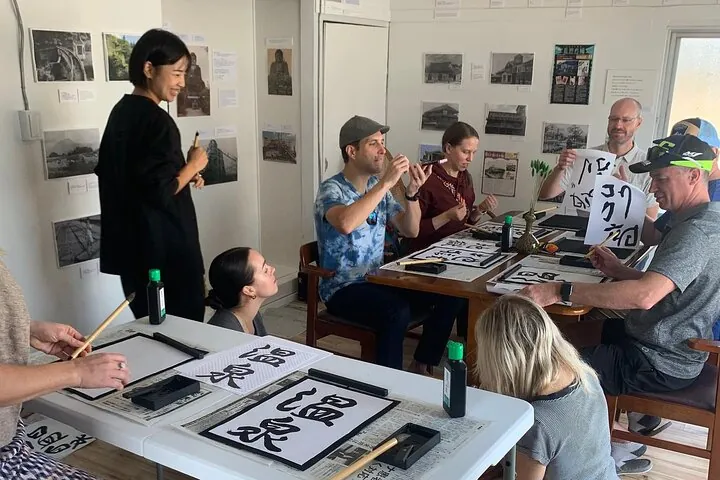
### Zen, Matcha & Calligraphy: The Private Temple Morning — recommended
URL: https://portoffuji.com/experiences/zen-matcha-calligraphy/
Verdict: The culture pick: zazen meditation, whisked matcha and brush calligraphy at two old temples near the port — and back in about two and a half hours.
Why: Temples with real history — Seiken-ji, over 1,000 years old, and Zuiun-in, where the session is held — not a hotel function room. Private, and chairs are available for meditation if sitting on the floor is hard. You take home your own hanging scroll; temple admission and sweets are included. 14 reviews and a perfect 5.0.
Best for: Any call, including short ones and rainy days — it does not need the mountain.
Think twice: Taxi fares between the temples (about ¥2,000 per car each way) are paid to the driver on the day and are not in the price. It is quiet by design — if your group wants views, pair it with the waterfront rather than instead of Fuji.
Length: 2h 30m; needs a port call of about 4 hours
Viator: 5★ from 14 reviews; From US$149 per person · max 10
### Lake Yamanaka & Oshino Hakkai Small-Group Day from Shimizu Port — listed with caveats
URL: https://portoffuji.com/experiences/fuji-yamanaka-oshino-small-group/
Verdict: The north-side Fuji day from Shimizu — a lake and the spring ponds instead of the foothill shrines — in a shared van, on a long call.
Why: Pickup at Shimizu Port, and the van holds nine at most, so it is closer to a private day at a per-person price (from about US$136). Lake Yamanaka's shore and swan boat, then Oshino Hakkai, the spring-fed ponds that are part of the Fuji World Heritage site. The operator offers a full refund if the start is more than 30 minutes late — it matters on a port day. Open on every Shimizu ship day we checked for the next four months (21 of 21).
Best for: Couples on a call of ten hours or more who have done, or would rather skip, the Fujinomiya side and want to stand by a Fuji lake.
Think twice: It is a long drive to the far side of the mountain, and on a cloudy day the view is the gamble. With fewer than six booked, the operator sends a Japanese-speaking driver with a translation app instead of an English-speaking one. The boat ticket (1,100 yen) and lunch are extra. Only 8 reviews so far (4.3★). For a shorter call, the Fuji Highlights small group above covers the near side in 6–7 hours.
Length: 8 hours; needs a port call of about 10 hours
GetYourGuide: 4.3★ from 8 reviews; From US$136 per person · max 9
### Zen & Matcha at a Tokugawa Temple — listed with caveats
URL: https://portoffuji.com/experiences/fuji-zen-matcha/
Verdict: Zazen and sutra chanting at Tesshu-ji, a temple with Tokugawa ties, then matcha and wagashi — close to the port.
Why: Temple admission, matcha and a personalised goshuin with your name in kanji are included. Short: fits almost any call.
Best for: Short calls and rainy days.
Think twice: Newer listing with few reviews — our more-reviewed culture pick is the Zen, matcha and calligraphy tour.
Length: 2 hours; needs a port call of about 4 hours
Viator: 5★ from 1 reviews; From US$141 per person · max 10
### Hakone in a Day, Private Car & Licensed Guide — listed with caveats
URL: https://portoffuji.com/experiences/hakone-private-day/
Verdict: Hakone by private car with a licensed guide — only worth it on a very long call, because the drive eats the day.
Why: Lake Ashi, Hakone Shrine, the ropeway and the museums, chosen by you from a list. Licensed guide, private car for up to seven.
Best for: 10-hour-plus or overnight calls, and people who have already done the Shimizu side.
Think twice: Hakone is well over an hour's drive from Shimizu each way. For Mt. Fuji itself, the Fujinomiya tours above are closer and better value.
Viator: 5★ from 10 reviews; From US$365 per person · max 7
### Shimizu Port Food & Bar Hopping — listed with caveats
URL: https://portoffuji.com/experiences/shimizu-food-bar-hopping/
Verdict: Two local restaurants and bars with a host who knows the port town's food — best on an evening call.
Why: Food and drink worth about ¥1,500 per venue is included. Walkable from the pier.
Best for: Evening and overnight calls (Viking, Mitsui Ocean Fuji).
Think twice: No reviews yet, so we cannot vouch for it the way we do the tours above.
Length: 2 hours; needs a port call of about 4 hours
### Sushi Class at the Port: Make It Where the Tuna Lands — listed with caveats
URL: https://portoffuji.com/experiences/sushi-class-shimizu/
Verdict: A two-hour hands-on sushi class at Dream Plaza with a professional chef, after a walk through the sushi museum.
Why: It is 10 minutes on foot from the ship, so it cannot strand you. You eat what you make, plus nigiri from the chef; local sake tasting is an optional extra.
Best for: Families and short calls.
Think twice: Few reviews yet. If you just want to eat sushi, Sushi Yokocho in the same building needs no booking.
Length: 2 hours; needs a port call of about 4 hours
Viator: 5★ from 1 reviews; From US$162 per person · max 8
===
# Shimizu Cruise Weather by Month: Rain, Typhoons & Fuji Odds
URL: https://portoffuji.com/blog/shimizu-cruise-weather-by-month/
Date: 2026-09-17
Most cruise weather advice is a mood ("autumn is lovely"). This page is the numbers: the Japan Meteorological Agency's 30-year normals for **Shizuoka**, the official station nearest to Shimizu's Hinode Pier, plus JMA's typhoon statistics, laid against when the ships actually call. Read the table, then the three things it tells you.
## The table: what a normal month looks like
JMA 1991–2020 normals, Shizuoka station (station 47656, about 10 km from the cruise pier). Typhoon columns are the national JMA normals for storms *approaching* Japan (centre within 300 km of a weather office) and *making landfall*. The last column is the published 2026 Shimizu cruise calendar for the months the port committee and cruise lines have released so far.
| Month | Mean °C | High / Low °C | Rain (mm) | Sunshine (h) | Humidity | Typhoons approaching Japan | Typhoon landfalls | 2026 Shimizu calls |
|---|---|---|---|---|---|---|---|---|
| January | 6.9 | 11.7 / 2.1 | 79.6 | 207.9 | 57% | 0 | 0 | — |
| February | 7.7 | 12.6 / 2.9 | 105.3 | 187.5 | 57% | 0 | 0 | — |
| March | 10.7 | 15.5 / 6.0 | 207.1 | 189.9 | 62% | 0 | 0 | — |
| April | 15.2 | 19.8 / 10.6 | 222.2 | 189.7 | 65% | 0 | 0 | — |
| May | 19.2 | 23.5 / 15.1 | 215.3 | 192.0 | 71% | 0.7 | 0.0 | — |
| June | 22.4 | 26.1 / 19.2 | 268.9 | 135.9 | 77% | 0.8 | 0.2 | — |
| July | 26.1 | 29.9 / 23.1 | 296.6 | 157.9 | 79% | 2.1 | 0.6 | — |
| August | 27.4 | 31.3 / 24.2 | 186.5 | 201.8 | 76% | 3.3 | 0.9 | 6 |
| September | 24.5 | 28.4 / 21.1 | 280.6 | 157.3 | 75% | 3.3 | 1.0 | 12 |
| October | 19.4 | 23.6 / 15.6 | 250.3 | 157.7 | 71% | 1.7 | 0.3 | 22 |
| November | 14.3 | 18.8 / 9.9 | 134.2 | 173.3 | 67% | 0.5 | 0 | 6 |
| December | 9.3 | 14.1 / 4.6 | 80.7 | 200.5 | 60% | 0.1 | 0 | 1 |
| **Year** | **16.9** | 21.3 / 12.9 | **2,327** | **2,152** | 68% | **11.7** | **3.0** | 105 in 2025 |
Sources: JMA climate normals for Shizuoka and JMA typhoon statistics (both 1991–2020), the Shimizu Port Cruise Committee's confirmed sheets for August–October 2026, and cruise-line itineraries for November–December 2026. The 2025 total is the port's own count. Earlier 2026 months are past and not shown; the [2027 schedule](/blog/shimizu-cruise-schedule-2027/) follows the same shape, a dense March–May and a denser October.
## Three things the table says
**1. Shimizu is wet, and the cruise calendar peaks in a wet month.** 2,327 mm a year is roughly half again what London or New York gets. October, the busiest cruise month with 22 published calls in 2026, still averages 250 mm. That is not a reason to avoid October; it is a reason to walk off the ship with a rain plan already chosen. [The rainy-day circuit is here](/blog/shimizu-rainy-day/): the Verkehr museum, the roofed tuna market and Dream Plaza are all within ten minutes of the gangway.
**2. The dry season is the Fuji season, and it is not when most ships call.** December, January and February have a quarter to a third of the summer rainfall, the year's most sunshine (188–208 hours) and the clearest air for the mountain. The calendar is thin then. If seeing Mt. Fuji is the point of your cruise, [our visibility guide](/blog/how-to-see-mt-fuji-from-shimizu/) and [the Yokohama-versus-Shimizu comparison](/blog/yokohama-vs-shimizu-mt-fuji/) explain how to play the odds in the busier months.
**3. Typhoon risk is concentrated in August and September and fades quickly.** Nationally, 3.3 typhoons approach Japan in each of August and September, 1.7 in October and 0.5 in November. Landfalls are rarer, about three a year in total. So an early-October call carries real but shrinking risk; a late-October or November call is close to the winter baseline. The port district is flat reclaimed land beside a working harbour, and the ship, not the port, makes the call on whether to come in.
## What "cancelled by weather" actually looks like
A typhoon rarely arrives as a surprise. JMA tracks are published days ahead, and cruise lines usually announce a change to the daily programme the evening before: the call is dropped, the ship arrives late and leaves early, or another port is substituted. Three practical consequences:
- **Ship-booked excursions are refunded automatically** when the port is missed. Independent bookings depend on the operator, so when you book a private tour, ask in writing what happens if the ship does not dock. Our [shore excursions guide](/blog/shimizu-shore-excursions-guide/) covers who waits for whom.
- **The Water Bus to Miho is the first thing to go.** It is a small boat on open bay water and stops running in strong wind or swell. On a marginal day, ask at the terminal before buying a ticket and keep [Nihondaira by taxi](/blog/how-to-see-mt-fuji-from-shimizu/) as the weather-proof view.
- **Rain alone cancels nothing.** A wet October day is normal and the port runs as usual. Pack a proper rain jacket rather than an umbrella for the walk to the market; the wind off the bay turns umbrellas inside out.
## Dressing for the month
- **March–May (11–19 °C):** layers and a rain shell. Mornings on deck are cool; afternoons in town are mild.
- **August–September (25–27 °C, 75% humidity):** the hot, sticky season. Shade, water and indoor stops; the market hall and Dream Plaza are roofed.
- **October (19 °C):** the sweet spot for walking, but the wettest of the autumn months. Rain shell, not umbrella.
- **November (14 °C):** crisp and clear; a light jacket for town and something warmer for sail-away on deck, when the light on the summit is the season's real souvenir. [Our October–November guide](/blog/shimizu-in-october-november/) has the detail.
- **December–February (7–9 °C):** cold, dry and bright. The clearest mountain of the year in exchange for a coat.
## Take the data
Every figure above is a published normal, so it is safe to quote. For the port's own numbers, hours ashore, arrival patterns and what is reachable on foot, see [our data page](/data/) and the machine-readable [next-calls feed](/api/next-calls.json).
## FAQ
Q: What is the weather like in Shimizu during cruise season?
A: Mild and wetter than most visitors expect. By JMA 1991 to 2020 normals for Shizuoka, the station nearest the pier, October averages 19.4 C with 250 mm of rain, November 14.3 C with 134 mm, and September 24.5 C with 281 mm. Spring calls in March to May run 11 to 19 C with about 210 to 220 mm a month. The dry, sunny months are December to February, around 80 to 105 mm of rain and 190 to 208 hours of sunshine, which is also when Mt. Fuji is clearest. August, the hottest month, averages 27.4 C with highs of 31.3 C.
Q: Could a typhoon cancel my Shimizu cruise call?
A: It can, mainly from August to October. JMA 30-year normals count 3.3 typhoons approaching Japan in August, 3.3 in September and 1.7 in October, against 0.7 or fewer in May, November and December; landfalls average only 3.0 a year nationwide. A typhoon does not have to hit Shimizu to matter: the captain decides on sea state and forecast, and a call is skipped, shortened or swapped for another port at short notice. If you have booked independently, choose operators with a clear weather cancellation policy and keep a Plan B in the port district.
Q: What is the rainiest month in Shimizu?
A: July, at 296.6 mm by JMA normals, the tail of the rainy season, followed closely by September at 280.6 mm and June at 268.9 mm. October, the busiest cruise month, still averages 250.3 mm, so a rain plan is part of an October call. The driest months are January at 79.6 mm and December at 80.7 mm.
Q: Which month has the best weather for a Shimizu cruise call?
A: For dry, clear days and the mountain, December to February: about 80 to 105 mm of rain, 188 to 208 sunshine hours and the year's clearest air. For comfort plus a good Fuji chance, late October and November: 14 to 19 C, sunshine climbing back to 173 hours in November, and typhoon risk fading fast. The trade-off is that the cruise calendar peaks in October, the wetter of those two months, because that is when the ships come.
Q: How hot is Shimizu in August?
A: The hottest month: a mean of 27.4 C, average daily highs of 31.3 C and lows of 24.2 C, with humidity around 76 percent by JMA 1991 to 2020 normals for Shizuoka. It is also the start of the typhoon window, with 3.3 typhoons a year approaching Japan in August. Plan indoor or shaded stops such as the roofed Kashi-no-Ichi market and Dream Plaza, and carry water for the Nihondaira plateau.
Q: Does the weather in Shimizu affect the water bus to Miho?
A: Yes. The Water Bus is a small boat on open bay water, and services are suspended in strong wind or swell, which is most likely in the August to October typhoon window and on days with a stiff westerly in winter. If the bay is rough, the pier staff will know first, so ask at the terminal before you buy a ticket, and treat the Nihondaira plateau by taxi as the weather-proof alternative for the Fuji view.
===
# Onsen Near Shimizu Cruise Port: What to Know
URL: https://portoffuji.com/blog/onsen-near-shimizu-cruise-port/
Date: 2026-09-17
Somewhere between the fish market and the ropeway, a lot of passengers have the same thought: *we're in Japan — shouldn't we be doing the hot-spring thing?* You can, from this port, without a tour. But the briefing has to start with the rule that catches Western cruisers off guard.
## Read this first: the tattoo rule
Japanese public baths are communal, naked, and historically strict about tattoos — and the bathhouses within reach of Shimizu are no exception. We checked the current policies directly:
- **Suruga Kenko Land**: "guests with irezumi or tattoos are refused entry" — stated flat out in the house rules.
- **Mochimune Minato Onsen**: bathing refused for tattooed guests.
- **Ekichika Onsen Kuroshio** (Yaizu): restrictions on tattoos of any size, including fake tattoos, stickers and body paint.
There is no negotiating this at the front desk, and a small ankle piece counts. If you're tattooed, the workable versions of a Japan bath are a **private rental bath (kashikiri-buro)** booked ahead at a ryokan, or an onsen town elsewhere on your itinerary known for tattoo-friendly houses. Everyone else: carry on, the water's excellent.
## The pick: Suruga Kenko Land, Okitsu
The closest serious bathhouse to your gangway is a gloriously unpretentious one: **Suruga Kenko Land**, a 24-hour bathing complex on the shoreline at Okitsu — technically still Shimizu ward — where the windows look straight out over Suruga Bay.
The numbers, verified on the operator's pages:
| | |
|---|---|
| Admission (adult) | **¥1,980**, towels, shampoo and razors included — arrive empty-handed |
| Admission (child) | ¥990 (age 3 to elementary school) |
| Baths | ~16 types across the men's and women's floors — natural hot spring, a "sea-air" brine bath, carbonated bath, jet and lying baths |
| Saunas | 5 types, from a 39–40°C salt sauna to a stone sauna running as hot as 104°C |
| Hours | Around the clock (short cleaning closures: women 3:00–4:00, men 4:00–5:00) |
| View | Suruga Bay, right there |
**Getting there is the pleasant surprise: a free shuttle runs from JR Shimizu Station roughly hourly**, 8:05 to 22:05, arriving about 25 minutes later; return buses leave the facility hourly from 7:30 to 21:30. Alternatively it's one local stop on the JR line to **Okitsu Station** and a 15-minute walk. Either way, from Hinode Pier you're looking at about **three hours door-to-door for an unhurried soak** — which is why this is a [6-hour-plus-call](/hours/6-hours/) move, not a squeeze-it-in one.
## The stylish alternative: Mochimune Minato Onsen
If your day already points toward [Shizuoka City](/itineraries/shizuoka-city-history/), the modern option is **Mochimune Minato Onsen** in the little fishing port of Mochimune, a few stops down the line past Shizuoka. It's newer and sleeker than Kenko Land: **¥1,000 on weekdays, ¥1,200 weekends**, open 10:00–24:00 (from 9:00 on weekends). The catch for travellers: towels are rentals here — ¥500 for the set — and the journey is longer from the pier, so treat it as a add-on to a Shizuoka half day rather than a destination of its own. (Yaizu's station-front **Ekichika Onsen Kuroshio** — from ¥480 for a one-hour course — is further still, and best left to overnighting [Viking passengers](/blog/viking-shimizu-overnight/) with time to burn.)
## Two-minute etiquette course
The rules are simple and identical everywhere: **wash and rinse thoroughly at the seated showers before entering any tub**; no swimwear, ever — bathing is naked, in separate men's and women's floors; your small towel stays out of the water (fold it on your head like everyone else); tie long hair up; and keep the volume at a murmur. Tubs are for soaking, not scrubbing. That's the whole exam — nobody expects a foreigner to be perfect, but the pre-wash is the one that matters.
## The timing maths
Count backwards, [as with everything at this port](/blog/getting-back-to-your-ship/): shuttle out (~25 min) + a 90-minute soak-and-rest + shuttle back (~25 min) + the pier–station leg on both ends comes to roughly three hours. On an 8-hour call that stacks neatly on top of a [fish-market lunch](/blog/kashi-no-ichi-fish-market-what-to-order/); on a 5-hour call it *is* the day — decide whether that trade is you. And carry the return in cash-adjacent certainty: the last practical shuttle back leaves well before evening all-aboards, so note the hourly times when you get on.
First call at Shimizu? The [complete port guide](/blog/shimizu-cruise-port-complete-guide/) covers the basics, and the [plans by hours ashore](/itineraries/) show where a bath fits.
*Prices and hours verified on the operators' official pages, September 2026: Suruga Kenko Land (kur-hotel.co.jp/suruga), Mochimune Minato Onsen (minato-onsen.jp). Policies — including tattoo rules — are the operators' own and can change; the front desk has the final word.*
## FAQ
Q: Is there an onsen near Shimizu cruise port?
A: Yes. The closest full-scale bathhouse is Suruga Kenko Land in Okitsu — still inside Shimizu ward — with about 16 baths and 5 saunas overlooking Suruga Bay, open around the clock, ¥1,980 for adults with towels and toiletries included. A free shuttle runs roughly hourly from JR Shimizu Station.
Q: Can you use a Japanese onsen if you have tattoos?
A: At the bathhouses reachable from Shimizu, no — Suruga Kenko Land, Mochimune Minato Onsen and Yaizu's Ekichika Onsen Kuroshio all state that guests with tattoos (of any size, including stickers and body paint at some) are refused. This is standard at Japanese public baths. If you're tattooed, your realistic options are a private rental bath arranged ahead at a ryokan, or saving the onsen for a tattoo-friendly facility elsewhere in Japan.
Q: How much does an onsen visit cost near Shimizu?
A: Suruga Kenko Land: ¥1,980 for adults, towels, shampoo and razors included — you can genuinely arrive empty-handed. Mochimune Minato Onsen: ¥1,000 weekdays / ¥1,200 weekends, but towels are extra (¥500 for the set). Children pay roughly half at Kenko Land and ¥350 at Mochimune.
Q: Does an onsen fit a cruise call at Shimizu?
A: On calls of about 6 hours or more, yes. Budget three hours door to door for Suruga Kenko Land: the free shuttle leaves JR Shimizu Station hourly (8:05–22:05), the ride is about 25 minutes, and return buses run hourly until 21:30 — or it's one train stop to Okitsu plus a 15-minute walk. On short calls, skip it; a rushed bath defeats the point.
Q: Is there a day-use onsen within walking distance of Shimizu port?
A: Not within walking distance of the pier, but close. The nearest full-scale bathhouse is Suruga Kenko Land at Okitsu, still inside Shimizu ward: about 16 baths and 5 saunas overlooking Suruga Bay, open around the clock, ¥1,980 for adults with towels, shampoo and razors included. A free shuttle leaves JR Shimizu Station roughly hourly (8:05 to 22:05) and takes about 25 minutes, or it is one train stop to Okitsu plus a 15-minute walk. Budget about three hours door to door, and note that tattooed guests are refused.
===
# Westerdam in Shimizu: Holland America's Autumn Pair
URL: https://portoffuji.com/blog/westerdam-shimizu-guide/
Date: 2026-10-09
Holland America gives Shimizu a proper look this season: **Westerdam** — Vista-class, 82,000 tons, around 1,900 guests — calls twice in autumn 2026 and then comes back three times in spring 2027. The two autumn dates look similar on a brochure and play out very differently on the ground.
## The calls
| Date | Arrives | Departs | Status |
|---|---|---|---|
| Sun 25 Oct 2026 | 08:00 | 17:00 | **Confirmed** (port committee, rev. 28 Aug) |
| Mon 9 Nov 2026 | 07:00 | 15:00 | Confirmed (port committee, rev. 5 Oct) |
| Mar 1 / Mar 20 / Mar 27 2027 | 08:00 / 11:00 / 11:00 | 16:00 / 19:00 / 19:00 | 2027 listings — [tracked here](/blog/shimizu-cruise-schedule-2027/) |
*Back on board 60 minutes before departure, [as always](/blog/getting-back-to-your-ship/). Every ship this season: [the full 2026 schedule](/blog/shimizu-cruise-schedule-2026/).*
## 25 October: the full menu, shared with a yacht
An 08:00–17:00 October call is close to the ideal Shimizu ticket. The mountain is at some of [its best odds of the year](/blog/how-to-see-mt-fuji-from-shimizu/), the arrival lands inside the clear morning window, and eight usable hours fit any one of the port's three signature moves with margin: the [water bus to Miho no Matsubara](/blog/miho-no-matsubara-water-bus-guide/) (25 minutes out, 15 back, ¥1,000 a leg), the [Nihondaira panorama and Kunozan Toshogu loop](/itineraries/nihondaira-panorama/) by taxi, or [the walkable core](/itineraries/walkable-shimizu/) anchored by a tuna lunch at [Kashi-no-Ichi](/blog/kashi-no-ichi-fish-market-what-to-order/).
The asterisk: it's a **two-ship day**. Windstar's Star Seeker is in the same day, and while her 224 guests won't crowd anything by themselves, the taxi rank, the ropeway queue and the market's lunch rush behave like a big-ship day. Decide your plan from the deck rail at 08:00 — if Fuji is out, commit to a viewpoint immediately — and book anything guided ahead of the day; [the English-speaking operator pool here is small](/blog/shimizu-shore-excursions-guide/).
## 9 November: one big thing
The November call trades an hour of arrival for two of departure: 07:00–15:00, which after all-aboard and [the 60-minute rule](/blog/getting-back-to-your-ship/) means about **six usable hours**. That's still a good day — it's just a one-big-thing day. The Miho half day fits. The Nihondaira loop fits, with the return taxi agreed in advance. What doesn't fit is stacking them, or anything road-based toward the Fuji area — with a 14:00 all-aboard, [the maths](/blog/shimizu-vs-ships-fuji-tour-cost-breakdown/) says no.
November does hand you one quiet upgrade: it's the start of the [clear-air season](/blog/shimizu-in-october-november/), and a 07:00 arrival puts you on deck for the port's best Fuji hour with coffee in hand.
## Spring 2027: mind the 11:00 arrivals
Westerdam's March 2027 pattern is worth a note for anyone booking ahead: the 20 and 27 March calls arrive at **11:00** and stay to 19:00 — afternoon-shaped days at a port whose mountain is a morning performer. The 1 March call (08:00–16:00) is the conventional one. All three are the line's listings for now; [the 2027 page](/blog/shimizu-cruise-schedule-2027/) tracks them as the port confirms each month.
First call at this port? Start with the [complete Shimizu cruise port guide](/blog/shimizu-cruise-port-complete-guide/) — piers, shuttle, money and Wi-Fi in one read.
*Both 2026 calls are officially confirmed (port committee, rev. 5 Oct 2026); 2027 dates are the line's published plans. Your daily programme always wins.*
## FAQ
Q: When does Westerdam visit Shimizu?
A: Twice in autumn 2026: Sunday 25 October, 08:00–17:00 (officially confirmed by the port committee) and Monday 9 November, 07:00–15:00 (also officially confirmed). She returns three times in spring 2027 — 1 March, 20 March and 27 March.
Q: What can Westerdam passengers do in Shimizu on the 25 October call?
A: An 08:00–17:00 window is a full day: the water bus to Miho no Matsubara's World Heritage pine grove, a taxi up to the Nihondaira plateau for the Mt. Fuji panorama with the ropeway down to Kunozan Toshogu, or the walkable core — fish market, sushi alley and bayfront — with a tuna lunch. October also carries some of the year's best Fuji visibility odds.
Q: Is 25 October a busy day at Shimizu port?
A: It is a two-ship day — Windstar's 224-guest Star Seeker is alongside the same day — so the market, taxis and the ropeway carry more people than Westerdam's own numbers suggest. Get off early and book anything guided in advance rather than at the pier.
Q: How is the 9 November Westerdam call different?
A: It is a shorter day: 07:00–15:00, so with all-aboard around 14:00 and a 60-minute margin you have roughly six usable hours. Pick one big thing — a Miho half day or the Nihondaira loop — and skip anything road-dependent after midday. A road-based Mt. Fuji excursion does not fit.
===
# Splitting Costs in Cash-Heavy Japan: How Groups Settle Up
URL: https://portoffuji.com/blog/splitting-costs-japan-group-trip/
Date: 2026-09-05
Every group that goes ashore in Japan discovers the same thing by lunchtime: **this country still runs on cash, and one of you has become the bank.**
It's not that cards don't work — malls and restaurants take them fine. It's that the *good* stuff leans yen. At this port alone: the [water bus to Miho no Matsubara](/blog/miho-no-matsubara-water-bus-guide/) sells the return leg **on board, cash only**; the stalls at [Kashi-no-Ichi market](/blog/kashi-no-ichi-fish-market-what-to-order/) prefer notes; the strawberry stands under Kunozan are coins-and-notes affairs. So somebody fronts the ¥4,000 water-bus fares for the group, somebody else gets the taxi, a third picks up lunch — and by sailaway nobody can remember who owes whom what, in a currency none of you thinks in.
## The maths of one Shimizu day, for four people
A realistic independent day for two couples travelling together:
| Shared cost | Paid by | Amount |
|---|---|---|
| Water bus out, 4 tickets | Person A | ¥4,000 |
| Tuna lunch for four | Person B | ¥6,800 |
| Water bus back, 4 tickets (cash only!) | Person A | ¥4,000 |
| Taxi to Nihondaira, one car | Person C | ¥3,500 |
| Souvenir tea, shared box | Person D | ¥2,160 |
Five payments, four payers, ~¥20,000 — and if one couple is American and the other Australian, you're settling across three currencies at whatever exchange rate someone half-remembers. Multiply by a ten-port itinerary and this is genuinely the most common source of group friction we hear about, ahead of anything involving the mountain.
It gets sharper with tours: [private vans and sedans here are priced per vehicle](/blog/shimizu-shore-excursions-guide/), which is why four people splitting one fare beat two ship-tour tickets — but only if the split actually happens cleanly afterwards.
## The three ways groups actually handle it
**1. The paper method.** One person keeps a note on their phone, everyone settles at the end of the cruise. Works for couples; degrades fast beyond three people, and the exchange-rate argument at settlement is a cliché for a reason.
**2. The big splitter apps.** Splitwise and friends do the job if your group already uses one. The friction for a cruise group: everyone has to install the app and create accounts — a hard sell over dinner on deck with expensive ship Wi-Fi — and yen-to-multiple-home-currencies handling varies.
**3. The share-a-link method.** This is the one we ended up building ourselves, because groups on our own recommendations kept hitting the problem. **[SplitJapan](https://splitjapan.com)** is a free web tool: no app, no accounts — one person opens it, shares a link or QR code, and the group is in. You record a payment in yen in about fifteen seconds; **each traveller sees their share in their own currency**, at a rate that's locked when recorded so there's no settlement-day argument; and at the end it computes the *minimum* set of transfers to square everyone up, instead of a web of IOUs. Nothing uploads to a server — the data lives in the link and your browsers, which suits a day where half the group is offline ashore. It even tracks **tax-free purchases** separately, which matters if your group is doing duty-free shopping between ports.
**Full disclosure, because this site runs on it:** SplitJapan is built by the same person who writes Port of Fuji. It's free, and it stays free — we made it for our own group days ashore, and recommend it for the same reason we recommend the water bus: it's what we actually use. If you'd rather use Splitwise or a notebook, everything above about recording-in-yen and settling-once still applies.
## The routine that works, whatever tool you pick
1. **Before you walk down the gangway**: agree that shared costs get recorded at the moment of payment — not reconstructed at dinner.
2. **Record in yen**, always. Convert at settlement, not per purchase.
3. **One settlement per port day or per cruise**, not per meal. Fewer transfers, fewer rounding arguments.
4. And carry the cash to split in the first place: the [money, Wi-Fi & eSIM rundown](/blog/shimizu-money-wifi-esim/) covers where to draw yen near the pier (the Seven Bank ATM at Dream Plaza takes international cards).
Group money is the least romantic part of a port day, which is exactly why it should take fifteen seconds and zero negotiation. Sort the system before Shimizu, and every port after it gets easier.
*SplitJapan is our own free tool — see the disclosure above. Everything else on this page is the same measured-on-foot information as the rest of the site.*
## FAQ
Q: Why do you need so much cash in Japan as a group?
A: Because the places worth going often don't take cards: the water bus to Miho no Matsubara sells return tickets on board in cash only, market stalls and strawberry stands prefer yen, and taxis are card-friendly but faster settled in cash. One person usually ends up fronting shared costs all day — which is exactly when group money gets messy.
Q: What's the best way to split travel expenses in Japan?
A: Keep one rule: record who paid at the moment it happens, in yen, and settle once at the end — not after every purchase. A shared note works for two people; for three or more, use a splitter that handles currencies, so each traveller sees their share in their own money. We built a free, no-signup one (SplitJapan) for exactly this — disclosure: it's made by the person who runs this site.
Q: Does SplitJapan work without internet or an account?
A: It's a free web tool — no app to install and no account to create. Your group's data lives in the shared link and your browser rather than on a server, which suits a cruise day where ship Wi-Fi is expensive and you're offline half the time ashore.
Q: How do groups split a private tour in Shimizu?
A: Private vans and sedans here are priced per vehicle, not per person — so a party of four splits one fare and routinely pays less than two ship-excursion tickets. Record the vehicle price once, split it four ways, and settle with everything else at the end of the day.
===
# Star Seeker in Shimizu: Windstar's New Yacht Moves In
URL: https://portoffuji.com/blog/star-seeker-shimizu-guide/
Date: 2026-10-09
Most ships give Shimizu a day. **Star Seeker is moving in.** Windstar's brand-new yacht — 224 guests, 112 suites, delivered in January 2026 — makes **three calls this autumn and nine more across 2027**, more visits than any other international ship on the calendar except Celebrity Millennium. Somebody at Windstar clearly liked what they saw from the bridge.
## Every Star Seeker call at Shimizu
**2026 — confirmed by the port committee** (revised 5 October; 17 September was her first-ever call, welcome ceremony included). The 5 and 7 October calls were struck from the schedule in that revision:
| Date | Arrives | Departs | Time ashore* |
|---|---|---|---|
| Thu 17 Sep | 08:00 | 17:00 | ~8 h |
| ~~Mon 5 Oct~~ | — | — | cancelled |
| ~~Wed 7 Oct~~ | — | — | cancelled |
| Sun 25 Oct | 08:00 | 17:00 | ~8 h |
| Tue 27 Oct | 08:00 | 17:00 | ~8 h |
**2027 — the lines' published plans** (the port confirms ~30 days ahead): Mar 20, Mar 22, Apr 9, May 1, May 19, then a four-call October — Oct 4, 6, 24 and 26. Arrival patterns alternate between 09:00–17:00 and an earlier 07:00–15:00; [the 2027 page](/blog/shimizu-cruise-schedule-2027/) tracks them as they firm up.
*Back on board 16:00 under [the one rule](/blog/getting-back-to-your-ship/).
## What 224 guests changes about this port
Shimizu is easy even for a 3,000-passenger ship; for a yacht it's frictionless. The practical differences:
- **The [water bus to Miho no Matsubara](/blog/miho-no-matsubara-water-bus-guide/) is genuinely pleasant** rather than a queue — 25 minutes across the bay, ¥1,000, and on a Star Seeker day you may share the boat with more locals than cruisers. Carry cash for the return leg; the Miho pier sells tickets on board only.
- **The [Nihondaira ropeway and Kunozan Toshogu](/itineraries/nihondaira-panorama/) work without timing tricks.** Big-ship days mean waiting for gondolas; with 224 guests ashore you walk on. Taxi up ~25 minutes, ~¥3,500.
- **An 8:00–17:00 pattern is the port's sweet spot** — early enough for Fuji's clearest window (06:00–08:00 from deck, then the morning haze race), long enough for the full [panorama loop](/hours/full-day/) plus a proper tuna lunch at [Kashi-no-Ichi](/blog/kashi-no-ichi-fish-market-what-to-order/) after the 11:30 rush.
One planning note for the October 25 and 27 calls: those are **two-ship days** (Westerdam on the 25th, Diamond Princess on the 27th), so the market and taxis carry big-ship crowds even though your own gangway doesn't. Book anything guided ahead rather than at the pier — the English-speaking operator pool here is small, [and it sells out in busy weeks](/blog/shimizu-shore-excursions-guide/).
## The Fuji odds
Mt. Fuji shows clearly about [3–4 days in 10](/blog/how-to-see-mt-fuji-from-shimizu/) — better in October than September, best of all on the 2027 spring dates. Check the summit from deck at arrival and decide the day then; if it's hiding, [this port still fills eight hours well](/if-fuji-hides/).
First call here? Start with the [complete Shimizu cruise port guide](/blog/shimizu-cruise-port-complete-guide/) — piers, shuttle, money, Wi-Fi in one read.
*2026 times are officially confirmed (port committee, rev. 5 Oct 2026); 2027 dates are the line's published plans. Your daily programme always wins. We'll add Star Seeker photography once she's called often enough for good CC-licensed shots to exist — she's that new.*
## FAQ
Q: When does Star Seeker visit Shimizu?
A: Three confirmed calls in 2026 — September 17 (her first ever, with a welcome ceremony), October 25 and October 27, all 08:00–17:00 (the October 5 and 7 calls were struck from the port committee's 5 October revision) — plus nine listed calls across 2027 (March, April, May and a four-call October). No other luxury ship comes back this often; the timetables are in the article.
Q: What is Star Seeker?
A: Windstar's newest and first Star-class yacht, debuted in January 2026: 224 guests in 112 suites, nearly all with verandas or floor-to-ceiling infinity windows. She crossed from Alaska for Windstar's Japan season and returns in 2027.
Q: What should Star Seeker passengers do in Shimizu?
A: With 08:00–17:00 ashore and only 224 guests, everything works: the water bus to Miho no Matsubara feels almost private, Nihondaira by taxi has no queue at the ropeway, and an 8-hour window fits the full panorama loop plus a tuna lunch. If Mt. Fuji is out at arrival, commit to a viewpoint immediately — mornings are clearest.
Q: Are any Star Seeker calls at Shimizu two-ship days?
A: Yes — October 25 (with Westerdam) and October 27 (with Diamond Princess), 2026. Your own gangway stays queue-free at 224 guests, but the market and taxis carry big-ship crowds those days, so book anything guided ahead rather than at the pier.
Q: What time should Star Seeker passengers be back on board at Shimizu?
A: By 16:00 for the standard 08:00–17:00 calls, following the 60-minutes-before-departure rule used throughout this site. Your daily programme's stated all-aboard always wins.
===
# Yokohama vs Shimizu: Which Port Really Shows You Mt. Fuji?
URL: https://portoffuji.com/blog/yokohama-vs-shimizu-mt-fuji/
Date: 2026-09-17
Booking a Japan cruise "for Mt. Fuji" usually comes down to two ports on the brochure: **Yokohama** — Tokyo's gateway, where many itineraries start or end — and **Shimizu**, the Shizuoka port that calls itself the Mt. Fuji port (we would say that; [it's this site's whole subject](/blog/shimizu-cruise-port-complete-guide/)). Here's the comparison we wish brochures printed, numbers first.
## The core numbers
| | Shimizu | Yokohama |
|---|---|---|
| Straight-line distance to the summit | **~45 km** | ~80 km |
| Fuji from the ship | Rises over the bay, fills the frame on clear days | Distant profile, exceptional days only |
| Nearest classic viewpoint | Miho no Matsubara — 25 min by ¥1,000 water bus | Hakone/Five Lakes — 2–2.5 h each way by road |
| A "Fuji day" without a tour | Yes — [water bus or ¥3,500 taxi](/getting-around/) | Realistically no — it's a road trip |
| Typical time ashore | 7–11 h day calls | Often overnight/turnaround (more total hours) |
| Clear-summit odds | ~3–4 days in 10, mornings best | Same weather, smaller target |
The distance difference sounds abstract until you convert it into a port day. From **Shimizu**, seeing Fuji properly costs you 25 minutes and pocket change, which means you can attempt it in the morning, fail, and still have a full day — that's why [our whole plan system](/itineraries/) treats the mountain as a probability to manage rather than a promise. From **Yokohama**, the classic Fuji-Hakone excursion consumes 9–11 hours of driving and stops, stakes the entire day on the weather, and still views the mountain from roughly double the distance.
## When Yokohama genuinely wins
Any fair comparison has to include this list:
- **You're overnighting.** Yokohama calls are often turnarounds or overnights — more total hours, an evening in a big city, and on a crisp winter morning the distant Fuji-over-the-skyline view from the bay is real.
- **You want Tokyo.** No contest; that's the point of Yokohama.
- **Your cruise offers both.** Then use Yokohama for the city and save the mountain for Shimizu — doing an 11-hour Fuji road trip out of Yokohama when Shimizu is two days later on the itinerary is the single most common planning mistake we hear about.
## When Shimizu wins
When the mountain is the actual point. Proximity converts weather luck into photographs: the [3–4-in-10 odds](/blog/how-to-see-mt-fuji-from-shimizu/) are the same everywhere in the region, but at 45 km a partial clearing still gives you the postcard, while at 80 km it gives you haze. Add that Shimizu's viewpoints are 15–25 minutes from the gangway — [Miho no Matsubara's pine-framed view](/blog/miho-no-matsubara-water-bus-guide/), the [Nihondaira panorama](/itineraries/nihondaira-panorama/) — and a morning attempt costs almost nothing.
## How to pick the itinerary, in three moves
1. **Find the Shimizu call** — [the 2026 schedule](/blog/shimizu-cruise-schedule-2026/) and [2027 season preview](/blog/shimizu-cruise-schedule-2027/) list every ship and date.
2. **Prefer early arrivals.** 07:00–08:00 ships ([Celebrity Millennium](/blog/celebrity-millennium-shimizu-guide/), [Norwegian Jade](/blog/norwegian-jade-shimizu-guide/) and most autumn callers) land you in the day's clearest window.
3. **Prefer October–November or February–April.** Cool, dry air and a snow-capped summit; summer has the worst odds. If you're eyeing 2027, [Princess and Royal Caribbean both expand](/blog/shimizu-cruise-schedule-2027/) — plenty of dates to be choosy with.
And whichever port your itinerary gives you: check the mountain from deck at dawn, decide the day in the first thirty minutes, and never build the whole plan on a view no port can promise.
*Distances are straight-line figures; road times are typical, not guaranteed. Visibility odds from our measured local data — [the method is here](/blog/how-to-see-mt-fuji-from-shimizu/).*
## FAQ
Q: Is Yokohama or Shimizu closer to Mt. Fuji?
A: Shimizu, and it isn't close: the summit stands about 45 km from Shimizu's pier against roughly 80 km from Yokohama's. From Shimizu the mountain rises over the bay in front of the ship; from Yokohama it's a distant silhouette on very clear days, and reaching the Fuji area means a 2–2.5 hour drive each way.
Q: Can you see Mt. Fuji from a cruise ship in Yokohama?
A: On exceptionally clear days, yes — as a small, far-off profile, most often in winter. In Shimizu the mountain fills the view from the deck and from viewpoints 15–25 minutes from the pier. Neither port can promise it: clear-summit odds run about 3–4 days in 10, and mornings are best.
Q: Which itinerary should I book if Mt. Fuji is my priority?
A: One that calls at Shimizu, on the earliest arrival you can find, in October–November or February–April — those give the best combination of proximity, morning light and seasonal visibility. If your itinerary only offers Yokohama, book a full-day Fuji excursion and accept the drive; the mountain is worth it, but plan the maths first.
Q: How far is Mt. Fuji from Yokohama compared with Shimizu?
A: About 80 km from Yokohama's pier versus about 45 km from Shimizu's — and the difference compounds: from Shimizu the classic viewpoints are 15–25 minutes from the gangway, while from Yokohama the Fuji area is a 2–2.5 hour drive each way.
Q: Can you do Mt. Fuji as a day trip from Yokohama cruise port?
A: Yes, but it is a road trip: the classic Fuji-Hakone excursion consumes 9–11 hours of driving and stops, stakes the whole day on the weather, and still views the mountain from roughly double Shimizu's distance. If your itinerary also calls at Shimizu, save the mountain for Shimizu.
Q: How often is Mount Fuji actually visible from Shimizu?
A: Clear-summit odds run about 3 to 4 days in 10, and mornings are best, so treat the mountain as a probability to manage rather than a promise. Because the summit stands only about 45 km from Shimizu's pier, a partial clearing still gives you the postcard where a more distant port gets haze. Odds improve on early arrivals of 07:00 to 08:00 and in October to November or February to April, when cool, dry air brings a snow-capped summit; summer has the worst odds.
Q: Where is the best view of Mount Fuji near Shimizu port?
A: Shimizu's classic viewpoints are 15 to 25 minutes from the gangway. The nearest is Miho no Matsubara, the pine-framed view across the bay, 25 minutes away by the ¥1,000 water bus; the other is the Nihondaira panorama, reached by a ¥3,500 taxi. On a clear day the mountain also rises over the bay in front of the ship itself, so check it from the deck at dawn and decide the day in the first thirty minutes rather than building the whole plan on a view no port can promise.
Q: Is Shimizu or Yokohama better for seeing Mount Fuji?
A: Shimizu, and it is not close. The summit stands about 45 km from Shimizu's pier against roughly 80 km from Yokohama's; from Shimizu the mountain rises over the bay in front of the ship and the classic viewpoints are 15 to 25 minutes from the gangway, while from Yokohama it is a distant profile on exceptional days and the Fuji area is a 2 to 2.5 hour drive each way. Yokohama wins only for Tokyo or an overnight; if your cruise offers both, save the mountain for Shimizu.
===
# Cruises to Shimizu in 2027: The Season Preview
URL: https://portoffuji.com/blog/shimizu-cruise-schedule-2027/
Date: 2026-08-16
Booking a 2027 Japan cruise and want the one with the Mt. Fuji stop? This page tracks **which ships are expected at Shimizu in 2027**, and firms up as the lines and the port confirm. Bookmark it — we update it the way we maintain [the 2026 schedule](/blog/shimizu-cruise-schedule-2026/), against official port publications.
## The 2027 season at a glance
Cruise-line itineraries already list **around 100 Shimizu calls by 24 ships across 2027** — on par with the port's record 2025. Everything below is the lines' published plans via port timetable databases ([CruiseTimetables](https://www.cruisetimetables.com/cruises-to-shimizu-japan.html), checked 16 Aug 2026): *planned, not promised*. The port committee confirms each month ~30 days ahead, and times will move.
The headlines:
- **[Celebrity Millennium](/blog/celebrity-millennium-shimizu-guide/) doubles down: ~20 calls**, spring through autumn, almost all on her passenger-friendly 07:00 arrival.
- **Princess runs a two-ship Japan season** — [Diamond Princess](/blog/diamond-princess-shimizu-playbook/) (~12 calls, many on her tricky 13:00-arrival pattern) plus **Sapphire Princess** (~6 calls), with a Grand Princess cameo in August. This matches [Princess's announced biggest-ever Japan year](https://www.princess.com/cruise-destinations/japan-cruises).
- **Royal Caribbean returns twice in May** — [Navigator of the Seas](/blog/navigator-of-the-seas-shimizu/) (13 May) and **Spectrum of the Seas** (16 May).
- **[Norwegian Jade](/blog/norwegian-jade-shimizu-guide/) makes ~10 calls**, again owning late autumn (five November-ish dates).
- **A luxury wave**: Oceania brings three ships (Nautica, Vista, Riviera), Silversea two (Muse, Moon), plus Seven Seas Explorer, Seabourn Encore, Explora III, Europa 2 and Fred. Olsen's Borealis.
- **[Viking Venus](/blog/viking-shimizu-overnight/) looks set to repeat her overnight** (2–3 Oct listing shows a next-day departure), with Viking Orion following mid-October.
## Month-by-month: every listed 2027 call
### February 2027
| Date | Ship | In port (listed) |
|---|---|---|
| Feb 26 | Seabourn Encore | 08:00–18:00 |
| Feb 28 | [Celebrity Millennium](/blog/celebrity-millennium-shimizu-guide/) | 10:00–19:00 |
### March 2027
| Date | Ship | In port (listed) |
|---|---|---|
| Mar 1 | [Westerdam](/blog/westerdam-shimizu-guide/) | 08:00–16:00 |
| Mar 4 | [Norwegian Jade](/blog/norwegian-jade-shimizu-guide/) | 11:00–18:00 |
| Mar 6 | [Norwegian Jade](/blog/norwegian-jade-shimizu-guide/) | 07:00–17:00 |
| Mar 9 | Borealis | times TBC |
| Mar 12 | [Celebrity Millennium](/blog/celebrity-millennium-shimizu-guide/) | 07:00–18:00 |
| Mar 20 | [Star Seeker](/blog/star-seeker-shimizu-guide/) | 09:00–17:00 |
| Mar 20 | Westerdam | 11:00–19:00 |
| Mar 22 | [Norwegian Jade](/blog/norwegian-jade-shimizu-guide/) | 07:00–17:00 |
| Mar 22 | [Star Seeker](/blog/star-seeker-shimizu-guide/) | 07:00–15:00 |
| Mar 24 | [Celebrity Millennium](/blog/celebrity-millennium-shimizu-guide/) | 07:00–18:00 |
| Mar 24 | [Norwegian Jade](/blog/norwegian-jade-shimizu-guide/) | 07:00–17:00 |
| Mar 26 | Seabourn Encore | 08:00–18:00 |
| Mar 27 | Azamara Pursuit | 08:00–20:00 |
| Mar 27 | Westerdam | 11:00–19:00 |
| Mar 29 | Seven Seas Explorer | 08:00–18:00 |
| Mar 30 | Oceania Nautica | 09:00–21:00 |
| Mar 30 | Silver Muse | 08:00–18:00 |
### April 2027
| Date | Ship | In port (listed) |
|---|---|---|
| Apr 5 | [Celebrity Millennium](/blog/celebrity-millennium-shimizu-guide/) | 07:00–18:00 |
| Apr 7 | [Diamond Princess](/blog/diamond-princess-shimizu-playbook/) | 10:00–18:00 |
| Apr 9 | Seabourn Encore | 08:00–18:00 |
| Apr 9 | [Star Seeker](/blog/star-seeker-shimizu-guide/) | 09:00–17:00 |
| Apr 10 | Oceania Nautica | 09:00–19:00 |
| Apr 10 | Oceania Vista | 12:00–20:00 |
| Apr 11 | [Norwegian Jade](/blog/norwegian-jade-shimizu-guide/) | 07:00–17:00 |
| Apr 13 | Silver Muse | 07:30–15:00 |
| Apr 14 | Seven Seas Explorer | 08:00–18:00 |
| Apr 17 | [Celebrity Millennium](/blog/celebrity-millennium-shimizu-guide/) | 07:00–18:00 |
| Apr 20 | Sapphire Princess | 10:00–17:00 |
| Apr 27 | Silver Muse | 08:00–15:00 |
| Apr 28 | Azamara Quest | 10:30–20:00 |
| Apr 29 | [Celebrity Millennium](/blog/celebrity-millennium-shimizu-guide/) | 07:00–18:00 |
| Apr 30 | [Viking Orion](/blog/viking-shimizu-overnight/) | likely overnight — times TBC |
### May 2027
| Date | Ship | In port (listed) |
|---|---|---|
| May 1 | [Star Seeker](/blog/star-seeker-shimizu-guide/) | 07:00–15:00 |
| May 6 | [Viking Venus](/blog/viking-shimizu-overnight/) | likely overnight — times TBC |
| May 11 | [Celebrity Millennium](/blog/celebrity-millennium-shimizu-guide/) | 07:00–18:00 |
| May 13 | [Navigator of the Seas](/blog/navigator-of-the-seas-shimizu/) | 07:00–18:00 |
| May 14 | [Celebrity Millennium](/blog/celebrity-millennium-shimizu-guide/) | 08:00–18:00 |
| May 16 | Spectrum of the Seas | 07:00–18:00 |
| May 17 | Europa 2 | 08:00–18:00 |
| May 19 | [Star Seeker](/blog/star-seeker-shimizu-guide/) | 09:00–17:00 |
| May 27 | [Diamond Princess](/blog/diamond-princess-shimizu-playbook/) | 13:00–19:00 |
| May 28 | Sapphire Princess | 10:00–17:00 |
### June 2027
| Date | Ship | In port (listed) |
|---|---|---|
| Jun 7 | [Celebrity Millennium](/blog/celebrity-millennium-shimizu-guide/) | 07:00–17:00 |
| Jun 18 | [Celebrity Millennium](/blog/celebrity-millennium-shimizu-guide/) | 07:00–18:00 |
| Jun 22 | [Diamond Princess](/blog/diamond-princess-shimizu-playbook/) | 10:00–18:00 |
| Jun 22 | Silver Muse | 08:00–15:30 |
| Jun 26 | Sapphire Princess | 10:00–17:00 |
| Jun 30 | [Celebrity Millennium](/blog/celebrity-millennium-shimizu-guide/) | 07:00–18:00 |
### July 2027
| Date | Ship | In port (listed) |
|---|---|---|
| Jul 12 | [Celebrity Millennium](/blog/celebrity-millennium-shimizu-guide/) | 07:00–18:00 |
| Jul 16 | Sapphire Princess | 10:00–17:00 |
| Jul 20 | [Diamond Princess](/blog/diamond-princess-shimizu-playbook/) | 10:00–18:00 |
| Jul 24 | [Celebrity Millennium](/blog/celebrity-millennium-shimizu-guide/) | 07:00–18:00 |
| Jul 27 | [Celebrity Millennium](/blog/celebrity-millennium-shimizu-guide/) | 07:00–16:00 |
### August 2027
| Date | Ship | In port (listed) |
|---|---|---|
| Aug 6 | Grand Princess | 07:00–14:00 |
| Aug 9 | Silver Muse | 08:00–15:30 |
| Aug 15 | [Diamond Princess](/blog/diamond-princess-shimizu-playbook/) | 13:00–19:00 |
| Aug 17 | [Celebrity Millennium](/blog/celebrity-millennium-shimizu-guide/) | 07:00–18:00 |
| Aug 27 | Azamara Pursuit | 08:00–20:00 |
| Aug 27 | Sapphire Princess | 13:00–19:00 |
| Aug 29 | [Celebrity Millennium](/blog/celebrity-millennium-shimizu-guide/) | 07:00–18:00 |
### September 2027
| Date | Ship | In port (listed) |
|---|---|---|
| Sep 1 | [Celebrity Millennium](/blog/celebrity-millennium-shimizu-guide/) | 07:00–16:00 |
| Sep 2 | Silver Muse | 08:00–15:00 |
| Sep 4 | [Diamond Princess](/blog/diamond-princess-shimizu-playbook/) | 10:00–18:00 |
| Sep 10 | Azamara Pursuit | 08:00–13:30 |
| Sep 13 | Sapphire Princess | 10:00–17:00 |
| Sep 14 | [Diamond Princess](/blog/diamond-princess-shimizu-playbook/) | 10:00–18:00 |
| Sep 23 | [Celebrity Millennium](/blog/celebrity-millennium-shimizu-guide/) | 07:00–17:00 |
| Sep 23 | [Diamond Princess](/blog/diamond-princess-shimizu-playbook/) | 10:00–18:00 |
| Sep 27 | Noordam | 07:00–16:00 |
| Sep 28 | Explora III | 07:00–16:30 |
### October 2027
| Date | Ship | In port (listed) |
|---|---|---|
| Oct 2 | [Viking Venus](/blog/viking-shimizu-overnight/) | likely overnight — times TBC |
| Oct 4 | [Celebrity Millennium](/blog/celebrity-millennium-shimizu-guide/) | 07:00–18:00 |
| Oct 4 | [Star Seeker](/blog/star-seeker-shimizu-guide/) | 09:00–17:00 |
| Oct 5 | Seven Seas Explorer | 07:00–16:00 |
| Oct 6 | [Star Seeker](/blog/star-seeker-shimizu-guide/) | 07:00–15:00 |
| Oct 7 | [Celebrity Millennium](/blog/celebrity-millennium-shimizu-guide/) | 07:00–17:00 |
| Oct 8 | Silver Muse | 08:00–18:00 |
| Oct 9 | [Diamond Princess](/blog/diamond-princess-shimizu-playbook/) | 13:00–19:00 |
| Oct 9 | Silver Moon | 08:00–18:00 |
| Oct 10 | Oceania Riviera | 11:00–21:00 |
| Oct 11 | Noordam | 07:00–15:00 |
| Oct 14 | [Norwegian Jade](/blog/norwegian-jade-shimizu-guide/) | 07:00–14:30 |
| Oct 16 | [Viking Orion](/blog/viking-shimizu-overnight/) | likely overnight — times TBC |
| Oct 19 | [Diamond Princess](/blog/diamond-princess-shimizu-playbook/) | 13:00–19:00 |
| Oct 24 | Oceania Riviera | 13:00–20:00 |
| Oct 24 | [Star Seeker](/blog/star-seeker-shimizu-guide/) | 09:00–17:00 |
| Oct 25 | Noordam | 07:00–15:00 |
| Oct 26 | Oceania Riviera | 07:00–16:00 |
| Oct 26 | [Star Seeker](/blog/star-seeker-shimizu-guide/) | 07:00–15:00 |
| Oct 29 | [Diamond Princess](/blog/diamond-princess-shimizu-playbook/) | 10:00–18:00 |
| Oct 30 | Seven Seas Explorer | 07:00–16:00 |
### November 2027
| Date | Ship | In port (listed) |
|---|---|---|
| Nov 3 | [Norwegian Jade](/blog/norwegian-jade-shimizu-guide/) | 11:30–21:00 |
| Nov 7 | Seabourn Encore | 08:00–18:00 |
| Nov 10 | Seven Seas Explorer | 07:00–16:00 |
| Nov 12 | [Diamond Princess](/blog/diamond-princess-shimizu-playbook/) | 07:00–15:00 |
| Nov 17 | [Norwegian Jade](/blog/norwegian-jade-shimizu-guide/) | 07:00–17:00 |
| Nov 19 | [Norwegian Jade](/blog/norwegian-jade-shimizu-guide/) | 07:00–17:00 |
| Nov 21 | Seven Seas Explorer | 07:00–15:00 |
| Nov 30 | [Norwegian Jade](/blog/norwegian-jade-shimizu-guide/) | 07:00–15:00 |
*About 100 listed calls as of 16 August 2026. Double-listed dates (same ship, two itineraries) are shown once with the earlier arrival. This page is refreshed as lines finalise deployments and the port confirms.*
## How to choose your 2027 sailing, if Fuji is the point
Three rules from [the visibility data](/blog/how-to-see-mt-fuji-from-shimizu/):
1. **Season first: October–November or February–April.** Clear-summit odds are best in cool, dry air, and the peak is snow-capped — the photo you're imagining. Summer calls have the worst odds.
2. **Arrival time second: earlier is better.** The mountain is clearest 06:00–08:00. A 07:00 arrival ([Celebrity's and NCL's standard here](/blog/celebrity-millennium-shimizu-guide/)) puts you on deck for the best window of the day.
3. **Departure time decides your day.** 17:00+ departures fit the full Nihondaira panorama or the Miho pine grove; 14:00–15:00 departures mean a walkable morning — the difference is bigger than any itinerary brochure suggests. Our [plans by hours ashore](/itineraries/) are built for exactly this.
## What we'll update, and when
- **Ship-by-ship 2027 dates** as cruise lines finalise deployments (rolling, from late 2026)
- **Official berth confirmations** as the [Shimizu Port Cruise Committee](https://www.shimizu-port.jp/) publishes each month (~30 days ahead)
- **A guide for each ship** with meaningful calls, as we did for 2026 — [Diamond Princess](/blog/diamond-princess-shimizu-playbook/), [Norwegian Jade](/blog/norwegian-jade-shimizu-guide/), [Navigator of the Seas](/blog/navigator-of-the-seas-shimizu/) and the rest
Sailing in 2026 instead? The [complete 2026 schedule](/blog/shimizu-cruise-schedule-2026/) has every confirmed and expected call. First time at this port? Start with the [complete Shimizu cruise port guide](/blog/shimizu-cruise-port-complete-guide/).
*Last updated 16 August 2026. 2027 information reflects cruise-line announcements and port-database listings as of that date; nothing for 2027 is officially confirmed by the port yet, and everything here will move — that's why this page exists.*
## FAQ
Q: Which cruise lines will call at Shimizu in 2027?
A: Port databases already list Shimizu calls from February through November 2027, with the heaviest months being March–May and October. Princess Cruises has announced its biggest Japan season ever for 2027 (two ships, 50 itineraries), and Royal Caribbean is basing Ovation of the Seas in Tokyo (Yokohama) — Shimizu is a staple stop on Tokyo-based Mt. Fuji itineraries. Ship-by-ship dates firm up as lines finalise deployments, and the port confirms each month about 30 days ahead.
Q: When is the best time to cruise to Shimizu for Mt. Fuji?
A: For summit visibility: October–November and February–April, when the air is clearest and the summit is snow-capped. Summer calls see the mountain least often. Mornings beat afternoons in every season — an 07:00 arrival is worth more than an extra hour in port.
Q: When will the official 2027 Shimizu schedule be published?
A: The Shimizu Port Cruise Committee confirms berths roughly one month before each call month, and its annual list firms up progressively through late 2026. Cruise-line itineraries for 2027 are already bookable now. We update this page as ships and dates are confirmed.
Q: Which ships call at Shimizu most often in 2027?
A: Celebrity Millennium leads with about 20 listed calls, followed by Diamond Princess (~12) plus Sapphire Princess (~6) as Princess runs two ships, and Norwegian Jade (~10). Royal Caribbean sends Navigator of the Seas in May and Spectrum of the Seas the same month. In all, about 100 calls by two dozen ships are listed.
Q: When are 2027 Shimizu call times confirmed?
A: The port committee confirms times roughly 30 days before each month; until then, dates on this page are the cruise lines' published plans. We update the page as each month's official sheet lands.
===
# Carnival Luminosa in Shimizu: The One-Shot Japan Day
URL: https://portoffuji.com/blog/carnival-luminosa-shimizu-guide/
Date: 2026-10-09
> **Update, 9 October 2026:** the port committee's schedule revised on 5 October strikes out Luminosa's 6 October call — she did not call at Shimizu this season. The plan below still holds for any 07:00–16:00 call here, and for Luminosa if Carnival brings her back; [this year's confirmed calls are here](/blog/shimizu-cruise-schedule-2026/).
**Carnival Luminosa** was to give her passengers exactly one crack at the Mt. Fuji port: **6 October 2026, 07:00–16:00**. One call, eight usable hours, at the start of the month with the year's best mountain odds. For a ship whose Japan itineraries sell heavily to Australian and American cruisers doing Japan once, this is the day the whole itinerary was arguably booked for — so it deserves a real plan, not a wander.
## The call
| Date | Arrives | Departs | Time ashore* |
|---|---|---|---|
| ~~Tue 6 Oct 2026~~ (cancelled) | 07:00 | 16:00 | ~8 h |
*Back on board 15:00 under [the 60-minute rule](/blog/getting-back-to-your-ship/). The port committee confirmed this as Luminosa's **first-ever Shimizu call** in August, then struck it from the schedule revised 5 October 2026. The [full calendar is here](/blog/shimizu-cruise-schedule-2026/).
## Eight hours, decided at dawn
Shimizu days are decided from the deck rail at 07:00, because **Mt. Fuji shows clearly only [3–4 days in 10](/blog/how-to-see-mt-fuji-from-shimizu/)** and mornings are the clear hours. Two forks:
**The mountain is out.** Commit before the haze does. Taxi to the [Nihondaira plateau](/itineraries/nihondaira-panorama/) (~25 min, ~¥3,500) for the full panorama — Fuji one way, your own ship the other — then the ropeway down to Kunozan Toshogu, Ieyasu's gold-leafed shrine, and back for a late tuna lunch. Or take the [water bus across the bay](/blog/miho-no-matsubara-water-bus-guide/) to **Miho no Matsubara**, the World Heritage pine grove where woodblock artists framed the mountain two centuries ago — 25 minutes out, ¥1,000, cash for the return.
**The mountain is hiding.** Skip the viewpoints entirely — a hazy panorama is a car park with vending machines. Walk the 20–25 minutes along the waterfront to [Kashi-no-Ichi](/blog/kashi-no-ichi-fish-market-what-to-order/), Japan's frozen-tuna capital, eat the maguro bowl the town is famous for before the 11:30 rush, then train to [Shizuoka City](/itineraries/shizuoka-city-history/) (11 minutes) for the shogun's castle town, or work through [If Fuji Hides](/if-fuji-hides/).
Either way, a 15:00 all-aboard means **start your return by 14:00** from town, 13:35 from Miho (the direct boat back is 15 minutes), and don't schedule anything road-dependent after 13:00.
## Money first, though
One thing catches Luminosa's passengers more than any other nationality mix: **Japan runs on cash more than you expect.** The market stalls, the water bus at the far pier, the strawberry stands — carry ¥5,000–10,000 per couple in notes. The five-minute read on [money, Wi-Fi & eSIM](/blog/shimizu-money-wifi-esim/) before you disembark pays for itself, and the [complete port guide](/blog/shimizu-cruise-port-complete-guide/) covers the terminal, shuttle and the rest.
*Times officially confirmed by the port committee (rev. 28 Aug 2026). Your ship's daily programme always wins.*
## FAQ
Q: When does Carnival Luminosa visit Shimizu?
A: It no longer does in 2026. The single call planned for Tuesday 6 October 2026 (07:00–16:00, which would have been Carnival's first-ever visit) is struck through on the port committee's schedule revised 5 October 2026. No other Carnival call appears on the 2026 sheet; check your ship's itinerary for the replacement port.
Q: What can you do in Shimizu in 8 hours?
A: With all-aboard around 15:00 you have a real day: the water bus to Miho no Matsubara's World Heritage pine grove, a tuna lunch at the Kashi-no-Ichi market (20–25 minutes' walk along the waterfront, or the free shuttle to JR Shimizu Station), or a taxi up to the Nihondaira plateau for the full Mt. Fuji panorama. A guided 4-hour Fuji-view tour also fits comfortably.
Q: Do you need a ship's excursion in Shimizu?
A: No — this is one of Japan's easiest cruise ports to do independently. The fish market is walkable, the water bus is ¥1,000 a leg with no booking, and taxis reach the Nihondaira viewpoint in about 25 minutes. Independent is exactly what this site is for.
Q: How much cash should Carnival Luminosa passengers carry in Shimizu?
A: About ¥5,000–10,000 per couple in notes. Japan runs on cash more than most visitors expect: the market stalls, the water bus ticket at the far pier and the seasonal fruit stands are all cash-first.
Q: When should you start heading back to Carnival Luminosa?
A: With a 15:00 all-aboard, start your return from town by 14:00 — or catch the 13:35 boat from Miho (the direct return leg takes about 15 minutes) — and don't schedule anything road-dependent after 13:00.
===
# Navigator of the Seas in Shimizu: The Transpacific Stop
URL: https://portoffuji.com/blog/navigator-of-the-seas-shimizu/
Date: 2026-09-03
**Navigator of the Seas** reaches Shimizu on **17 October 2026** doing something none of the season's other callers are doing: crossing the Pacific — and it is officially her **first-ever call at this port**. Fifteen nights out of Los Angeles, she arrives via Hakodate and Yokohama with a shipload of passengers seeing Japan for the first time — and Shimizu hands them the thing they crossed an ocean for: **Mt. Fuji, at the time of year it's most likely to actually show.**
## The call
| Date | Arrives | Departs | Time ashore* |
|---|---|---|---|
| Sat 17 Oct 2026 | 07:00 | 18:00 | ~10 h |
*Back on board by 17:00 under [the 60-minute rule](/blog/getting-back-to-your-ship/). Times are **officially confirmed** (port committee, rev. 28 Aug) — and the committee lists this as Navigator's **first-ever Shimizu call**, so expect a welcome ceremony at the pier. See [the full schedule](/blog/shimizu-cruise-schedule-2026/) for every ship this season.
With around 3,300 passengers, Navigator is among the biggest ships Shimizu will see in 2026. Two practical consequences: **get off early** (the first hour ashore is also Fuji's best hour), and **check your berth the night before** — big-ship days are exactly when a move to Okitsu, the container pier you can't walk out of, becomes possible.
## An 07:00–18:00 call is the full menu
Ten usable hours is the most this port ever really gives, and mid-October is its best month — clear-summit odds peak in the cool autumn air. So read the mountain at dawn and choose:
**Fuji is out.** Go big. This is the one call profile where a proper [Mt. Fuji day trip](/hours/full-day/) — Fujinomiya's shrine and the foothills, or the classic [Nihondaira–Kunozan loop](/itineraries/nihondaira-panorama/) — fits without sweating the clock. If you'd rather not organise it yourself, a private car with port pickup does it door-to-door.
**Fuji is hiding.** Don't chase it. The [water bus to Miho no Matsubara](/blog/miho-no-matsubara-water-bus-guide/) (25 minutes out, ¥1,000), a tuna lunch at [Kashi-no-Ichi](/blog/kashi-no-ichi-fish-market-what-to-order/), and [Shizuoka City by train](/itineraries/shizuoka-city-history/) make a day that doesn't need the mountain — and [If Fuji Hides](/if-fuji-hides/) has the full playbook.
**Either way, end at the fish market side of the pier around 16:00** — souvenir tea and wasabi at the market stalls beat anything in the terminal, and you're five minutes from your gangway when the clock starts mattering.
## First port day in Japan?
If Shimizu is your first real Japanese town after Hakodate's tourist waterfront, two orientation reads: the [complete Shimizu cruise port guide](/blog/shimizu-cruise-port-complete-guide/) (terminal, shuttle, cash and Wi-Fi — Japan is more cash-dependent than you expect) and [money, Wi-Fi & eSIM](/blog/shimizu-money-wifi-esim/). Both take five minutes over breakfast on the crossing.
*Times officially confirmed by the port committee (rev. 28 Aug 2026). Your ship's daily programme always wins.*
## FAQ
Q: When does Navigator of the Seas visit Shimizu?
A: One call: Saturday 17 October 2026, 07:00–18:00 — officially confirmed by the port committee, which lists it as Navigator’s first-ever visit to Shimizu. She arrives near the end of a 15-night transpacific from Los Angeles to Tokyo.
Q: Is one day in Shimizu enough for Mt. Fuji?
A: An 07:00–18:00 call is the most generous window this port offers, and mid-October has some of the year's best visibility odds. Check the mountain from deck at dawn — if it's out, a Nihondaira taxi run or even a full Mt. Fuji day tour fits. If it's hazy, the town, the fish market and Miho no Matsubara still fill the day well.
Q: Can you walk into town from the ship at Shimizu?
A: From Hinode Pier, yes — Dream Plaza and the sushi alley are about 10 minutes on foot, the tuna market 20–25, and there's usually a free shuttle to Shimizu Station on cruise days. Berths are confirmed about a month out; if your programme says Okitsu Pier instead, walking out isn't permitted, so plan transport.
Q: How crowded will Shimizu be on Navigator of the Seas' call?
A: With around 3,300 passengers she is among the biggest ships Shimizu sees in 2026. Two practical consequences: get off early — the first hour ashore is also Mt. Fuji's clearest hour — and check your berth the night before, since big-ship days are when a move to Okitsu, the container pier you cannot walk out of, becomes possible.
Q: What itinerary is Navigator of the Seas on when she reaches Shimizu?
A: A 15-night transpacific from Los Angeles to Tokyo, arriving via Hakodate and Yokohama on 17 October 2026. For many aboard, Shimizu is the first real Japanese town of the trip — and the Mt. Fuji stop the crossing was booked for.
===
# Norwegian Jade in Shimizu: Six Calls, One Rule
URL: https://portoffuji.com/blog/norwegian-jade-shimizu-guide/
Date: 2026-10-09
No ship comes back to Shimizu more often this autumn than **Norwegian Jade** — six calls between early October and the first day of December 2026. Every single one arrives at **07:00**, which is the best news a Shimizu passenger can get: that's the exact window when Mt. Fuji is most likely to be out, and autumn is [the best season for it](/blog/how-to-see-mt-fuji-from-shimizu/). The variable — the *only* variable — is when she leaves.
## Jade's Shimizu calls, late 2026
October and November are now **officially confirmed by the port committee** (revised 5 October) — the committee marked 8 October as Jade's **first-ever Shimizu call** (★). Only 1 December remains the line's published plan until December's confirmation lands:
| Date | Arrives | Departs | Time ashore* |
|---|---|---|---|
| Thu 8 Oct | 07:00 | **14:30** | ~6 h |
| Mon 26 Oct | 07:00 | **15:00** | ~6.5 h |
| Wed 11 Nov | 07:00 | 17:00 | ~8.5 h |
| Fri 13 Nov | 07:00 | 17:00 | ~8.5 h |
| Sun 29 Nov | 07:00 | 17:00 | ~8.5 h |
| Tue 1 Dec | 07:00 | **15:00** | ~6.5 h |
*Assuming you're back on board 60 minutes before departure, per [the one rule](/blog/getting-back-to-your-ship/).
The full port calendar — every line, every date — is in [our Shimizu schedule](/blog/shimizu-cruise-schedule-2026/).
## Two different days, same ship
**The 17:00 departures (both November middles and the 29th)** are proper days. Wake early, check the mountain from deck as you sail in, and if it's out, commit: [Nihondaira panorama by taxi](/itineraries/nihondaira-panorama/), or the [water bus to Miho no Matsubara](/blog/miho-no-matsubara-water-bus-guide/) — 25 minutes out, 15 back, ¥1,000 a leg. With 8.5 usable hours you can do either at a walking pace and still fit a tuna lunch at [Kashi-no-Ichi](/blog/kashi-no-ichi-fish-market-what-to-order/).
**The 14:30–15:00 departures (8 Oct, 26 Oct, 1 Dec)** are a different animal. Back-on-board at 13:30–14:00 means your real day ends at lunch. This is the [Royal Princess problem](/blog/royal-princess-shimizu-guide/), and the answer is the same: stay walkable. Fish market when it opens, Sushi Yokocho, the bayfront — or one tight water-bus round to Miho on the 9:55 out and 12:35 back. What you should *not* do on these calls is board a road-based Mt. Fuji excursion; the [cost-and-time maths](/blog/shimizu-vs-ships-fuji-tour-cost-breakdown/) never works with a 13:30 gangway deadline.
## November is the quiet advantage
Jade's November calls hit the sweet spot most summer passengers never get: **the clearest Fuji odds of the year** (late autumn air, snow back on the summit) and a port that's calmed down after the October rush. If your cruise gives you a choice of dates, take the November ones. Kunozan Toshogu's autumn colours are usually running by the 29 November call, and [the strawberry stalls below the shrine](/spots/kunozan-strawberry/) open their season around then too.
## First time at this port?
Start with the [complete Shimizu cruise port guide](/blog/shimizu-cruise-port-complete-guide/) — terminal layout, the free shuttle, money and Wi-Fi — then pick a plan by your hours: [6-hour plans](/hours/6-hours/) for the short calls, [full-day plans](/hours/full-day/) for the 17:00 departures.
*October and November calls are officially confirmed (port committee, rev. 5 Oct 2026); 1 December is the line's published plan until December's confirmation lands. Your ship's daily programme always wins.*
## FAQ
Q: When does Norwegian Jade visit Shimizu?
A: Six calls in late 2026: October 8 (her first-ever Shimizu call), October 26, November 11, November 13 and November 29 — all officially confirmed by the port committee — and December 1, still the line's published plan — every one arriving at 07:00. Departure times vary between 14:30 and 17:00, which is what actually decides your day.
Q: Is Norwegian Jade in Shimizu long enough to see Mt. Fuji?
A: Yes — if the weather cooperates. Jade's 07:00 arrivals land you in the port's best Fuji window (roughly 06:00–08:00 is clearest), and autumn has the year's best visibility odds. On the 17:00-departure calls a Nihondaira or Miho no Matsubara plan fits comfortably. On the 14:30–15:00 departures, stay walkable or do the water bus — a road-based Fuji tour is cutting it too fine.
Q: Does Norwegian Jade dock at Hinode Pier?
A: Berths are assigned by the port committee about a month out. Most calls use Hinode Pier, which is walkable to town; if your daily programme says Okitsu, you cannot walk out of the terminal — plan transport ahead.
Q: Which Norwegian Jade calls give the longest day in Shimizu?
A: The November 11, November 13 and November 29 calls, all departing 17:00 — about 8.5 usable hours, enough for Nihondaira or a Miho no Matsubara half day plus a tuna lunch. The October 8 (14:30 departure) and October 26 / December 1 (15:00) calls are ~6-hour days.
Q: Does a road-based Mt. Fuji tour fit Norwegian Jade's shorter calls?
A: No. On the 14:30–15:00 departures, stay walkable or take the water bus — a road-based Fuji excursion is cutting it too fine against the all-aboard. The 17:00-departure November calls are the ones where a bigger plan fits.
===
# Royal Princess in Shimizu: The Short-Call Playbook
URL: https://portoffuji.com/blog/royal-princess-shimizu-guide/
Date: 2026-09-03
**Royal Princess** gives Shimizu one morning — **5 October 2026, 07:00 to 14:00** — and that makes her call the shortest big-ship day of the autumn. Five and a half usable hours, once you respect a 13:00 all-aboard. Her sister **Diamond Princess** [has taught this port a lot about awkward clocks](/blog/diamond-princess-shimizu-playbook/); Royal's problem is the mirror image — a perfect morning with no afternoon attached.
## The call
| Date | Arrives | Departs | Time ashore* |
|---|---|---|---|
| Mon 5 Oct 2026 | 07:00 | 14:00 | ~5.5 h |
*Back on board 13:00 under [the 60-minute rule](/blog/getting-back-to-your-ship/). Times are **officially confirmed** (port committee, rev. 28 Aug). Same-day company: Windstar's Star Seeker (08:00–17:00). [Full schedule here](/blog/shimizu-cruise-schedule-2026/).
## What five and a half hours is actually for
The trap on short calls is trying to shrink a full-day plan. Don't. Pick **one** of these three mornings, all field-tested against a 13:00 gangway deadline:
**1. The tuna morning (zero transport risk).** Walk off at 07:30, bayfront stroll while the town wakes, [Kashi-no-Ichi fish market](/blog/kashi-no-ichi-fish-market-what-to-order/) from 09:30 — early bowls beat the queue that forms by 11:30 — souvenir tea and wasabi in Ichiba-kan, back aboard by 12:30 without once needing a vehicle. This is [walkable Shimizu](/itineraries/walkable-shimizu/) compressed, and it's the plan we'd pick.
**2. The Miho run (one boat each way, timed tight).** The [9:55 water bus](/blog/miho-no-matsubara-water-bus-guide/) puts you at Miho about 10:30; walk 20 minutes to the pine grove and the beach where Fuji lines up over the bay; **you must be on the 12:35 return** — it's direct, 15 minutes, gangway by 13:00. That leaves about 75 minutes at the grove: enough for the view and the shrine road, not enough to linger. Only choose this if your all-aboard is genuinely 13:00, not earlier — and carry cash, the Miho pier sells tickets on board only.
**3. The private half-loop.** A four-hour private van or sedan from the gangway at 08:00 covers Nihondaira's panorama and Kunozan Toshogu and returns you by noon — the one way a hilltop Fuji view fits this call, because a private driver waits and a taxi rank doesn't.
**What doesn't fit:** Shizuoka City (the train works, but the castle town [deserves hours you don't have](/itineraries/shizuoka-city-history/)), Gotemba outlets, and any road-based Mt. Fuji tour — [the maths](/blog/shimizu-vs-ships-fuji-tour-cost-breakdown/) is unforgiving on a 13:00 deadline.
## The 07:00 consolation prize
Here's what the schedule gives back: **your arrival hour is Fuji's best hour.** The 06:00–08:00 window has the day's clearest air, and October the year's best odds. Be on deck as she comes alongside — the mountain over the container cranes is the shot — because for many passengers on this call, sail-in *is* the Fuji sighting. If the summit stays hidden, [If Fuji Hides](/if-fuji-hides/) is written for exactly this morning.
First time at this port? The [complete Shimizu cruise port guide](/blog/shimizu-cruise-port-complete-guide/) — terminal, shuttle, money, Wi-Fi — is a five-minute read that saves twenty ashore.
*Times officially confirmed by the port committee (rev. 28 Aug 2026). Your ship's daily programme always wins.*
## FAQ
Q: When does Royal Princess visit Shimizu?
A: One call: Monday 5 October 2026, 07:00–14:00 — officially confirmed by the port committee. With all-aboard around 13:00, that's roughly five and a half usable hours ashore.
Q: Can you see Mt. Fuji on a 07:00–14:00 Shimizu call?
A: Often, yes — but from close viewpoints, not a road trip. Fuji is clearest 06:00–08:00, exactly your arrival window: watch from deck as you sail in, then take the water bus toward Miho no Matsubara or simply walk the bayfront. Do not board a road-based Fuji excursion on this call — the timing doesn't survive contact with a 13:00 all-aboard.
Q: What's within walking distance of the ship in Shimizu?
A: From Hinode Pier: S-Pulse Dream Plaza and its sushi alley (10 minutes), the Kashi-no-Ichi tuna market (20–25 minutes) and the bayfront promenade. That cluster alone fills a short call well — this is one of Japan's easiest ports without a tour.
Q: Does Miho no Matsubara fit Royal Princess's 07:00–14:00 call?
A: Only on the tightest workable timing: take the 9:55 water bus (at Miho about 10:30), walk 20 minutes to the pine grove, and you must be on the 12:35 direct return — gangway by about 13:00. That leaves roughly 75 minutes at the grove, and you need cash because the Miho pier sells tickets on board only.
Q: What does not fit a 07:00–14:00 Shimizu call?
A: Shizuoka City (the train works, but the castle town deserves hours you don't have), Gotemba Premium Outlets, and any road-based Mt. Fuji tour — the timing does not survive contact with a 13:00 all-aboard.
===
# Shimizu Cruise Port Map: Piers, Walking Times & What's Where
URL: https://portoffuji.com/blog/shimizu-cruise-port-map/
Date: 2026-08-13
Every port day starts with the same question: *where exactly am I?* Here's Shimizu, oriented for a cruise passenger. The map below is live — zoom and drag it — and the tables under it are the walking truth we've measured on foot.
*Map: OpenFreeMap / OpenStreetMap contributors — tap a pin for the time from the pier. Hinode Pier sits on the west shore of the harbour; Miho no Matsubara is the pine-covered sand spit across the bay.*
## The two piers — and why it matters which one you get
**Hinode Pier (日の出埠頭)** is the normal cruise berth, and it's the good one: the town side of the harbour, with Dream Plaza next door and everything below walkable. **Okitsu Pier (興津)** is a container terminal about 4 km northeast used on some two-ship days — **you cannot walk out of it**; a shuttle or taxi is mandatory. Berths are assigned by the port committee roughly a month ahead and can change; [here's how to check, and what to do if you draw Okitsu](/blog/getting-back-to-your-ship/).
## Walking times from Hinode Pier
Measured at an easy pace, gangway to door:
| Destination | On foot | Notes |
|---|---|---|
| Water-bus pier (Miho Hagoromo Line) | **~8 min** | [¥1,000/leg to Miho](/blog/miho-no-matsubara-water-bus-guide/), ticket machine takes cards |
| S-Pulse Dream Plaza & Sushi Yokocho | **~10 min** | Mall, sushi alley, ferris wheel — [rainy-day anchor](/blog/shimizu-rainy-day/) |
| Kashi-no-Ichi fish market | **~20–25 min** | [Tuna bowls & souvenirs](/blog/kashi-no-ichi-fish-market-what-to-order/); Ichiba-kan closed Wednesdays |
| Bayfront promenade | immediate | Fuji across the water on a clear day |
| JR Shimizu Station | **~25–35 min** | Or free cruise-day shuttle / ¥900-ish taxi, ~5 min — there's no [hop-on hop-off bus](/blog/shimizu-hop-on-hop-off-bus/) |
## Beyond walking range — the four directions
Think of everything else as four spokes from the pier, each covered in depth elsewhere on this site:
- **Across the bay:** [Miho no Matsubara](/spots/miho-no-matsubara/) — World Heritage pines, black-sand beach, the ukiyo-e Fuji view. 25 min by water bus out, 15 back.
- **Up the hill:** [Nihondaira & Kunozan Toshogu](/itineraries/nihondaira-panorama/) — the 360° panorama and the gold shrine. ~25 min by taxi, ~¥3,500.
- **Down the rail line:** [Shizuoka City](/itineraries/shizuoka-city-history/) — the shogun's castle town. 11 min by train from Shimizu Station.
- **Up the coast:** [Yui and the Satta Pass](/itineraries/yui-tokaido/) — cherry-shrimp town and the old Tokaido viewpoint. ~10 min by train.
How many of those spokes you can touch depends entirely on your hours — that's what the [plans by time ashore](/itineraries/) are for. And if you're deciding between all of them with one morning: [the complete Shimizu cruise port guide](/blog/shimizu-cruise-port-complete-guide/) ranks what's worth it at every call length.
*Walking times measured on foot in 2026; the free shuttle's operation varies by call. Your ship's daily programme is the authority on berth and shuttle details.*
## FAQ
Q: Where do cruise ships dock in Shimizu?
A: Most cruise ships berth at Hinode Pier, right beside S-Pulse Dream Plaza and a short flat walk from the town's food spots. On busy two-ship days one vessel may be assigned to Okitsu Pier, a container terminal about 4 km northeast where walking out is not permitted — check your daily programme the night before.
Q: What is within walking distance of Shimizu cruise terminal?
A: From Hinode Pier: S-Pulse Dream Plaza and Sushi Yokocho (~10 minutes), the Kashi-no-Ichi tuna market (~20–25 minutes, next to JR Shimizu Station), the bayfront promenade (immediate), and the water-bus pier by the Verkehr Museum (~8 minutes). JR Shimizu Station is about 20–25 minutes on foot, or 5 minutes by the free cruise-day shuttle or taxi.
Q: How far is Shimizu port from Mt. Fuji?
A: The summit is roughly 45 km away in a straight line — close enough to fill the sky on a clear morning. The classic viewpoints are Miho no Matsubara (25 minutes by water bus) and the Nihondaira plateau (about 25 minutes by taxi). You do not go to the mountain itself on a normal call; you view it across the bay.
Q: How far is JR Shimizu Station from the cruise pier?
A: About 20–25 minutes on foot from Hinode Pier, or roughly 5 minutes by the free cruise-day shuttle or a taxi (around ¥900). From the station, Shizuoka City is 11 minutes by train.
Q: How do you know which pier your ship will use in Shimizu?
A: Berths are assigned by the port committee roughly a month ahead and can change, so check your ship's daily programme the night before. Hinode Pier is the normal, walkable berth; Okitsu is a container terminal about 4 km northeast that you cannot walk out of.
===
# Is There a Hop-On Hop-Off Bus in Shimizu? No — and Why
URL: https://portoffuji.com/blog/shimizu-hop-on-hop-off-bus/
Date: 2026-08-13
Short answer, since you searched for it: **no, Shimizu has no hop-on hop-off bus.** No red double-decker, no loop of numbered stops, no day pass. Plenty of passengers step off the ship looking for one, because Tokyo and Osaka have them — but Shimizu is a compact working port town, and the distances that make HOHO buses useful simply don't exist here.
Here's what does the same job, cheaper.
## The three things that replace it
**1. Your feet (10–25 minutes).** The reason no operator runs a sightseeing loop: the sights are already in walking range. From Hinode Pier it's ~10 minutes to S-Pulse Dream Plaza and the Sushi Yokocho counters, ~20–25 minutes to the [Kashi-no-Ichi tuna market](/blog/kashi-no-ichi-fish-market-what-to-order/), and the bayfront promenade links them all. That cluster is [a complete 2–3 hour plan](/itineraries/walkable-shimizu/) on its own.
**2. The water bus — the closest thing Shimizu has to a HOHO loop.** The [Miho Hagoromo Line](/blog/miho-no-matsubara-water-bus-guide/) is literally a three-stop circuit: Hinode (your pier) → Ejiri (the fish market and station side) → Miho (the World Heritage pine grove) → back to Hinode. **¥1,800 rides the full loop**; ¥1,000 per single leg. It runs roughly hourly, needs no booking, and the middle leg crosses the bay with Mt. Fuji ahead of you. Hop on, hop off, in the most literal sense this port offers.
**3. The free cruise-day shuttle, plus short taxis.** On most call days a **free shuttle** runs between the pier and **JR Shimizu Station** — useful for the train to [Shizuoka City](/itineraries/shizuoka-city-history/) (11 minutes). Treat it as a bonus, not a schedule: it's a standard bus, the queue swells when a big ship is in, and it stops running well before all-aboard. For anything the shuttle and your feet don't cover — chiefly the [Nihondaira viewpoint](/itineraries/nihondaira-panorama/) (~25 min, ~¥3,500) — taxis wait at the pier on cruise mornings. Agree the return pickup before you go up the hill; taxis don't cruise for fares at the top.
## If you wanted the HOHO bus for the commentary
The other thing a hop-on hop-off bus sells is narration — and the closest equivalent here is a **private van or sedan with an English-speaking driver-guide**, which several local operators run specifically for cruise passengers, gangway to gangway, at prices that beat two ship-excursion tickets. That's the option we'd book for mobility-limited travellers especially; [the accessible-Shimizu guide](/blog/accessible-shimizu/) explains why step-free planning here favours a private vehicle.
For the full picture of shuttles, taxis, trains and the water bus — with prices and reliability notes — see [Getting Around](/getting-around/), and if it's your first call here, start with the [complete Shimizu cruise port guide](/blog/shimizu-cruise-port-complete-guide/).
*Details current as of August 2026. Shuttle operation varies by call — your ship's daily programme is the authority on the day.*
## FAQ
Q: Does Shimizu cruise port have a hop-on hop-off bus?
A: No. Unlike Tokyo or Kyoto, Shimizu has no hop-on hop-off sightseeing bus. What exists instead: a free shuttle between the pier and Shimizu Station on most cruise days, the Miho Hagoromo water-bus loop (¥1,800 for the full three-stop circuit), and short metered taxi hops. The town's core sights are walkable from Hinode Pier anyway.
Q: Is there a free shuttle bus at Shimizu cruise port?
A: On most cruise days a free shuttle runs between Hinode Pier and JR Shimizu Station. It's a standard bus with a queue, not a guaranteed service — confirm it's running in your ship's daily programme, and don't build a tight connection around it. A taxi covers the same hop in about 5 minutes.
Q: How do cruise passengers get around Shimizu without a tour?
A: On foot for the fish market, Sushi Yokocho and Dream Plaza (5–10 minutes from Hinode Pier); by water bus for Miho no Matsubara; by taxi for the Nihondaira viewpoint (~25 minutes); by train from Shimizu Station for Shizuoka City (11 minutes). None of it needs booking.
Q: How much is the Shimizu water bus loop?
A: ¥1,800 rides the full three-stop circuit — Hinode to Ejiri to Miho and back — or ¥1,000 per single leg. It runs roughly hourly and needs no booking; it is the closest thing Shimizu has to a hop-on hop-off loop.
Q: What replaces a hop-on hop-off bus's commentary in Shimizu?
A: A private van or sedan with an English-speaking driver-guide, which several local operators run gangway to gangway for cruise passengers — often at prices that beat two ship-excursion tickets, and the best option for mobility-limited travellers.
===
# Tagonoura Port: Japan's Closest Cruise Berth to Mt. Fuji
URL: https://portoffuji.com/blog/tagonoura-port-cruise-guide/
Date: 2026-08-13
Cruise brochures call Shimizu "the Mt. Fuji port," and [we run a whole site on that basis](/blog/shimizu-cruise-port-complete-guide/) — but strictly speaking, the closest port in Japan to the mountain is **Tagonoura**, the harbour of Fuji City, one bay to the northeast. If your itinerary lists it, or you've spotted the name on a small-ship schedule and can't find a word about it in English: this page is that word.
## What Tagonoura is
A **working port** — paper mills, cement, grain, and a busy **shirasu (whitebait) fishing fleet** — folded around a small harbour where **Mt. Fuji rises directly off the water**. There's a reason the view feels familiar: this stretch of coast is where **Hokusai** set part of his *Thirty-six Views of Mt. Fuji*, and the port's name attaches to one of the oldest Fuji poems in the language, from the 8th-century *Man'yōshū*. Sea level to 3,776 metres in a single unobstructed sweep — no other Japanese port puts the mountain that close to the rail of a ship.
What it is **not**: a cruise port in the Shimizu sense. There's no passenger terminal, no shuttle-lined quay, no walkable town at the gate. Cruise calls — occasional, mostly small ships and Japanese-market vessels — use the **Fuji No. 1 wharf**, and lines typically lay on their own transfers. **JR Yoshiwara Station** is about five minutes away by car.
## If your ship calls here
**The view is the excursion.** Be on deck for arrival: the approach, with Fuji stacking up behind the industrial foreground, is the day's best photograph, and mornings are the clear hours — [the same 3-or-4-days-in-10 odds](/blog/how-to-see-mt-fuji-from-shimizu/) that govern the whole bay apply here, except you're several kilometres closer.
**Eat what the port lands.** Tagonoura's shirasu fleet is famous in-prefecture; in season (roughly late March–January, with breaks), the harbourside stalls serve it raw over rice — a bowl you genuinely cannot get fresher. It's the same Suruga Bay catch we send people to find [in Yui](/itineraries/yui-tokaido/) and [at the Shimizu market](/blog/kashi-no-ichi-fish-market-what-to-order/).
**For the big sights, think Fujinomiya.** From Tagonoura the natural half-day runs inland to the Fuji foothills: **Fujisan Hongu Sengen Taisha** — head shrine of the mountain's 1,300 shrines — and the spring-fed **Shiraito Falls**. Our [Fuji foothills plan](/itineraries/fuji-foothills-fujinomiya/) is written from Shimizu, but the destinations are the same; from Tagonoura you're starting closer. A private car arranged in advance is the reliable way to do it from this pier.
**Margins still rule.** No terminal means fewer taxis and no backup shuttle if you cut it fine. The [60-minute rule](/blog/getting-back-to-your-ship/) applies with extra force at a port with no infrastructure to catch you.
## Tagonoura vs Shimizu, side by side
If you're choosing an itinerary: Shimizu gives you a full port town — [walkable food streets](/itineraries/walkable-shimizu/), the [water bus to Miho](/blog/miho-no-matsubara-water-bus-guide/), trains, taxis, and [a dense calendar of calls](/blog/shimizu-cruise-schedule-2026/). Tagonoura gives you proximity and rawness: the mountain closer, the port realer, and almost nothing packaged. One is a day out; the other is a view with a harbour attached. Both are Suruga Bay, and on a clear morning, neither disappoints.
*Details compiled from the Japan Tourism Agency's official cruise port guide and port authority information, current as of August 2026. Call schedules and transfer arrangements are set by each cruise line — confirm with yours.*
## FAQ
Q: Where is Tagonoura port, and which cruise ships use it?
A: Tagonoura is the harbour of Fuji City, Shizuoka — around the bay from Shimizu, and officially Japan's closest port to Mt. Fuji. It's a working industrial and fishing port with no cruise terminal; calls are occasional and skew to small ships and Japanese-market vessels, berthing at the Fuji No. 1 wharf. Most international itineraries marketed as 'Mt. Fuji' call at Shimizu instead.
Q: What is there to do at Tagonoura on a port call?
A: The port itself is the sight: Mt. Fuji rises straight off the waterline — the composition Hokusai used in his Thirty-six Views — and the harbour's shirasu (whitebait) fleet lands the area's famous catch, eaten raw at the port's market stalls in season. Beyond the port, ships and tours run to the Fuji foothills: Fujisan Hongu Sengen Taisha shrine and Shiraito Falls.
Q: How do you get from Tagonoura into town or to a station?
A: There's no walkable town at the gate and no regular cruise shuttle — ships typically arrange transfers. JR Yoshiwara Station is about 5 minutes by car; from there the local line and Tokaido line connect the region. If your ship offers a shuttle, take it; independent taxis should be arranged ahead rather than assumed.
Q: Is Tagonoura closer to Mt. Fuji than Shimizu?
A: Yes — Tagonoura, the harbour of Fuji City, is officially Japan's closest port to Mt. Fuji, with the mountain rising straight off the waterline. But it is a working industrial port with no cruise terminal, no walkable town at the gate and only occasional small-ship calls; most itineraries marketed as 'Mt. Fuji' call at Shimizu instead.
===
# Viking in Shimizu: The Autumn Overnights
URL: https://portoffuji.com/blog/viking-shimizu-overnight/
Date: 2026-09-17
Every other ship this season gives Shimizu a day. **Viking gives it two nights** — Venus alongside from 08:00 on 29 September 2026 to 13:00 the next afternoon, and **Orion now confirmed on the same overnight pattern, 18–19 October** (port committee, revised 28 August). Those are the only calls of the year where a passenger gets to see this port after the tour buses leave.
## The calls
| Ship | Arrives | Departs | Status |
|---|---|---|---|
| Viking Venus | Tue 29 Sep, 08:00 | Wed 30 Sep, 13:00 | **Confirmed** (rev. 28 Jul) |
| Viking Orion | Sun 18 Oct, 08:00 | Mon 19 Oct, 13:00 | **Confirmed overnight** (rev. 28 Aug) |
Both ships carry about 930 guests — small enough that Hinode Pier absorbs them without queues, and small enough that you'll have [the water bus](/blog/miho-no-matsubara-water-bus-guide/) mostly to yourselves.
## How to spend the overnight: split it like a local
**Day one is for the mountain — if it shows.** Check Fuji from deck on arrival. Clear? Commit immediately to the big view: taxi to [Nihondaira](/itineraries/nihondaira-panorama/), ropeway down to Kunozan Toshogu, back by mid-afternoon. Hazy? Don't burn the day chasing it — do [walkable Shimizu](/itineraries/walkable-shimizu/) and the fish market, and bank the mountain for tomorrow's dawn. Either way you're operating with a luxury no one else gets here: **a second chance.**
**The evening is the actual prize.** Shimizu's own dinner scene is quiet, so take the train eleven minutes into **Shizuoka City** and eat the thing this prefecture actually eats at night: **Shizuoka oden** — skewers simmered in a jet-black beef-stock broth, dusted with dried-fish powder — in the lantern-lit alleys of **Aoba Yokocho and Aoba Oden Gai**. Counters seat eight or ten; point, smile, and drink what the person next to you is drinking. No all-aboard time. That sentence has never before been true at this port.
**Day two, 06:00–08:00, is your Fuji insurance window.** The mountain is clearest at exactly the hour most cruise days can't use — and you'll be alongside for it, coffee in hand. Keep day two pier-side, though: with a 13:00 departure, the water bus doesn't fit (the morning boat's 12:35 return from Miho lands you at Hinode about 12:50 — no margin at all). The bayfront, Dream Plaza as it opens, and the market's morning stalls are the right radius. Check your programme's exact all-aboard the night before and [do the maths backwards](/blog/getting-back-to-your-ship/).
## Orion's overnight, mid-October
Orion's 18–19 October stay lands at the exact peak of autumn Fuji season — statistically the best summit odds of the year, with two dawns to spend them on. Everything above about Venus's split applies verbatim: mountain on day one if it shows, Shizuoka's oden alleys in the evening, the 06:00–08:00 insurance window on day two, pier-side morning before the 13:00 departure.
First call at this port? The [complete Shimizu cruise port guide](/blog/shimizu-cruise-port-complete-guide/) covers the terminal, shuttle, money and Wi-Fi in one read.
*Both calls are officially confirmed by the port committee (Venus rev. 28 Jul, Orion rev. 28 Aug 2026). Your daily programme always wins.*
## FAQ
Q: Which Viking ships call at Shimizu in 2026?
A: Four overnight calls in 2026, all on the port committee's list. In spring, Viking Venus (3–4 May) and Viking Orion (22–23 May) arrived at 18:00 and left at 18:00 the next day. In autumn, Viking Venus arrives 29 September at 08:00 and leaves 30 September at 13:00, and Viking Orion arrives 18 October at 08:00 and leaves 19 October at 13:00.
Q: What can you do in Shimizu in the evening on the Viking Venus overnight?
A: The evening is the point. Sushi counters at Kashi-no-Ichi wind down late afternoon, so head to Shizuoka City (11 minutes by train): the izakaya alleys around Aoba Yokocho serve Shizuoka oden — dark-broth skewers that are the city's signature — into the night, with no all-aboard clock hanging over you.
Q: Is one and a half days enough for Mt. Fuji from Shimizu?
A: It gives you two separate morning windows, which no single-day call can. Fuji is clearest roughly 06:00–08:00, and visible only 3–4 days in 10, so two dawns roughly doubles your odds. If day one dawns clear, go immediately: Nihondaira or Miho no Matsubara. Keep day two's morning as the backup.
Q: Does the water bus fit day two of the Viking overnight?
A: No. With a 13:00 departure, the morning boat's 12:35 return from Miho lands you at Hinode about 12:50 — no margin at all. Keep day two pier-side: the bayfront, Dream Plaza as it opens, and the market's morning stalls.
Q: What should you eat on the overnight evening in Shimizu?
A: Take the train 11 minutes into Shizuoka City for Shizuoka oden — skewers simmered in a jet-black broth, dusted with dried-fish powder — in the lantern-lit alleys of Aoba Yokocho and Aoba Oden Gai. Shimizu's own dinner scene is quiet; the city's alleys are the prize, with no all-aboard clock.
Q: What is there to do in Shimizu at night?
A: Only the two Viking overnight calls in 2026 give passengers an evening ashore; every other call that season is a day call. Shimizu's own dinner scene is quiet, so the move is the eleven-minute train into Shizuoka City for Shizuoka oden, skewers simmered in a jet-black beef-stock broth and dusted with dried-fish powder, served at counters seating eight or ten in the lantern-lit alleys of Aoba Yokocho and Aoba Oden Gai. Point, smile, and drink what the person next to you is drinking.
===
# The Hagoromo Legend of Miho: The Story, Told Properly
URL: https://portoffuji.com/blog/hagoromo-legend-miho/
Date: 2026-08-09
Most World Heritage listings honour buildings, cities, mountains. At Miho, UNESCO effectively honoured **a story**: the pine grove on this black-sand spit is inscribed as part of the Mt. Fuji site because of what people have *imagined* here for a thousand years — a fisherman, a feathered robe, and a dancer who went home to the sky. If you're going to walk twenty minutes from the water-bus pier to look at a tree, you deserve the whole story, properly told.
## The bargain on the beach
A fisherman named **Hakuryo** was walking the shore one morning when he found a robe of white feathers hanging on a pine — beautiful beyond anything woven by human hands. He decided to keep it.
Then its owner appeared: a **tennyo**, a celestial maiden, and without the robe she could not fly home. She begged. He refused — finders keepers. She wept, looking at the sky "where the geese were flying home without her," and the sight broke his resolve. He offered a trade instead: the robe for the one thing no one on earth had seen — **her dance**.
She put on the feathers and danced the dance of the moon palace over the beach, and as she danced she rose — over the pines, over the bay, past the snows of **Mt. Fuji**, thinning into the haze until she was sky. That's the whole legend. No moral, no punishment — just a moment when heaven touched a working beach and a fisherman had the sense to ask for beauty instead of treasure.
Hagoruma Shrine — the tiny torii beside the legendary pine, where visitors still leave offerings. Photo: Drivephotographer / CC0
## Why this beach owns the story
Stand on the shore and you understand the casting. Suruga Bay runs deep blue to the horizon, the pines lean like dancers mid-step, and on a clear morning **Fuji floats above the water** exactly where a rising goddess would pass. Painters knew it: this composition — Fuji over the bay, framed by Miho's pines — appears in centuries of woodblock prints, and it is the reason the grove was folded into Fuji's World Heritage inscription in 2013 as a "source of artistic inspiration."
The stage itself: black sand, blue water, and the mountain the maiden rose past. Photo: Suicasmo / CC BY-SA 4.0
The legend's furniture is all still here, walkable in an hour:
- **The Hagoromo pine** — third of its name; its aged predecessor was honourably retired. Beside it stands the small torii of **Hagoruma Shrine**.
- **The God's Road (Kami no Michi)** — a raised walkway through an avenue of old pines linking the beach to **Miho Shrine**, which keeps a relic said to be a **fragment of the robe itself**. Whatever your faith in that claim, the 500-metre walk under the pines is the most atmospheric part of the site.
- **Mihoshirube** — the free cultural centre (9:00–16:30 daily, six languages) that tells the legend and the grove's story properly. A good rain backstop.
## The Noh play — and the French dancer
The reason this beach story conquered Japan is **Zeami's Noh play *Hagoromo***, one of the most performed works in the classical repertoire. The play compresses the legend into a single hour of moonlit dance; each autumn it comes home, performed by **firelight on the beach** with the pine and — weather willing — Fuji itself as the set.
And here is the detail we find most moving. In postwar France, a young dancer named **Hélène Giuglaris** fell under the play's spell and devoted herself to performing *Hagoromo* — a work she never saw staged in the country of its birth. She died in 1951, in her thirties, without ever reaching Japan. Her husband carried a lock of her hair to this beach, and the people of Miho raised a **monument to her** among the pines, where it stands today. The maiden who longed for the sky, honoured by a dancer who longed for this shore — the legend, it turns out, still collects people.
## Making the visit work
The practical numbers live in our [water bus guide](/blog/miho-no-matsubara-water-bus-guide/), but the short version: **¥1,000 a leg — about 25 minutes out via Ejiri, 15 back** on the Miho Hagoromo Line from Hinode Pier, then a flat **20-minute walk** to the grove — a genuine half-day round trip, best on [calls of 4 hours or more](/hours/4-hours/). Mornings are clearest for Fuji, and the mountain shows itself clearly only **3–4 days in 10** — if the summit is hiding, the [If Fuji Hides](/if-fuji-hides/) page is your Plan B, and the story above still works in any weather.
**Coming by land instead?** From JR Shimizu Station (11 minutes from Shizuoka on the local JR line), buses reach Miho in about 25 minutes — or walk five minutes to the Ejiri pier and take the same water bus across, which is more fun. The timed cruise version of the day is our [Miho itinerary](/itineraries/miho-day/).
## FAQ
Q: What is the Hagoromo legend, in short?
A: A fisherman named Hakuryo found a feathered robe hanging on a pine at Miho. Its owner — a celestial maiden — could not return to heaven without it, and begged. He agreed to give it back for a price: her dance. Dressed again in the robe, she danced over the beach as she rose past Mt. Fuji into the sky. The Noh play Hagoromo turned this beach tale into one of Japan's most-performed classics.
Q: Is the original Hagoromo pine still standing?
A: The legend's pine is on its third generation. The gnarled veteran that carried the name for centuries was retired due to age, and a successor pine near the shore now holds the title, next to the tiny torii of Hagoruma Shrine. Purists may sniff; the grove of 30,000 pines around it is the real survivor.
Q: How do I get to the Hagoromo pine from the cruise ship?
A: Water bus from Hinode Pier to Miho (¥1,000, about 25 minutes out via Ejiri; 15 minutes on the direct leg back), then a flat 20-minute walk to the grove and beach — budget a real half day for the round trip. Confirm the boat stops at Miho (call 054-353-2222 at least 30 minutes ahead) and photograph the return timetable when you board.
Q: Can I see the Hagoromo Noh play at Miho?
A: Once a year, if your timing is lucky: an evening of firelight Noh is staged by the shore each autumn, with the real pine and (weather willing) the real Fuji as backdrop. Year-round, the free Mihoshirube centre (9:00–16:30, exhibits in six languages) tells the legend well, and the beach itself needs no performance.
===
# After Shimizu: Every Port on Your Japan Cruise, Rated
URL: https://portoffuji.com/blog/japan-cruise-ports-after-shimizu/
Date: 2026-09-17
Your Shimizu day is one square on a bigger board. The typical Japan cruise that calls here runs 10 to 14 nights and touches six to ten other ports — and if you're reading this while planning, you have the same questions about every one of them: *what's actually there, what needs booking, and what's a walk?*
We mapped **every 2026 itinerary that calls at Shimizu** — 40+ sailings across Diamond Princess, Celebrity Millennium, Viking Venus & Orion, Seven Seas Explorer, Silver Nova & Moon, Seabourn Encore, Westerdam, Norwegian Jade and the Mitsui Ocean ships — and counted where they actually go. This page is the result: every port you're statistically likely to wake up in, with a "book it or walk it" verdict and the **three best tours** we could find for each, with their real photos, ratings and prices.
One note before we start: **Shimizu is the port we walk ourselves** — the rest of this page is careful planning from itinerary data, port schedules and vetted operators, not on-foot reviews. Where we're unsure, we say so.
## Where ships from Shimizu actually go
| Port | How often it shares your itinerary | Typical stay |
|---|---|---|
| Kobe / Osaka | Almost every sailing — **often overnight** | 1–2 days |
| Busan (South Korea) | ~9 in 10 sailings | 8–10 hours |
| Kochi | ~3 in 4 sailings | 8–10 hours |
| Nagasaki | ~3 in 4 sailings | 8–10 hours |
| Kagoshima | ~2 in 3 sailings | 8–10 hours |
| Hiroshima | ~1 in 2 sailings (Viking stays overnight) | 9h–2 days |
| Beppu | Luxury lines + autumn Princess | 8–9 hours |
| Hakodate · Aomori · Akita · Kanazawa · Sakaiminato | Autumn northern loops (NCL Jade, Princess foliage) | 8–10 hours |
| Keelung (Taipei) · Jeju · Incheon | Longer one-way repositionings | 8h–overnight |
*(Counted from confirmed 2026 itineraries; spring sailings repeat the same patterns.)*
## Kobe / Osaka — the Kyoto overnight. Spend here.
If your cruise has one stop worth real money, it's this one. Celebrity Millennium overnights in Kobe or Osaka on **every** 2026 sailing; Regent, Seabourn and Silversea do the same. That overnight exists for exactly one reason: **Kyoto** — 30–60 minutes away and impossible on any other port day. Do Kyoto on day one, then spend the evening at a Kobe beef counter or in Osaka's neon Dotonbori; walk Kobe's compact Kitano district on the morning of day two.
**Timing note:** on a single-day Kobe/Osaka call (no overnight), Kyoto becomes a gamble against your all-aboard — the same 60-minute rule we preach at Shimizu applies, and trains back run through rush hour. Book a tour that owns the schedule, or stay in the city you docked in.
## Busan, South Korea — the surprise favourite
Nearly every Japan loop from Shimizu slips into Korea for a day (it's a regulatory reality of international cruising, and a genuinely great one). Busan is Korea compressed: the painted hillside lanes of **Gamcheon Culture Village**, the **Sky Capsule** coastal train above Haeundae's surf, and fish markets that make even Shimizu's look polite. The caution: the cruise terminal sits well away from all of it, and traffic is real — this is an on-time-return-guarantee port, not a taxi-improv port.
## Kochi — castles, markets, and the Pacific's front porch
Three out of four Shimizu itineraries call at Kochi, and most passengers arrive knowing nothing about it. The pitch: one of only twelve **original-keep castles** in Japan, the riotous Hirome food market beneath it, and Katsurahama beach where the Pacific rolls in unbroken. The castle and market are an easy taxi from the port; Katsurahama needs wheels — which is why the day tour with its 190+ reviews is the port's workhorse.
## Nagasaki — walk it
Here's the money-saving fact: Nagasaki's pier is **in the city**. The tram network is cheap and legible, Dejima and Chinatown are strolling distance, and the Peace Park is a straightforward tram ride. Book a guide if you want the history told properly — it deserves it — but transport alone is no reason to pay. (Which is also why the third card below is an experience, not a bus.)
## Kagoshima — the volcano across the bay
Kagoshima is Shimizu's southern mirror: a working port city staring at its own smoking mountain. **Sakurajima** erupts gently most weeks, and the 15-minute ferry that shuttles across the bay runs so often you can treat it like a bus — the DIY move locals actually use. Tours earn their fare by adding the samurai garden of Sengan-en and the viewpoints a ferry-walker can't reach.
## Hiroshima — one day, two heavyweights
The hardest scheduling puzzle on the circuit: the **Peace Memorial** demands unhurried hours, and **Miyajima's** floating torii sits a ferry ride away in the opposite direction. Doing both well in a port day is exactly the kind of clockwork that justifies a guide (Viking passengers, with your overnight here — you have the luxury of splitting them across two days).
## Beppu — the steaming town
On Viking, Regent, Seabourn and Princess's autumn loops. Half the town literally steams: the **"hells"** are jewel-coloured volcanic springs you tour rather than bathe in, clustered enough that a half-day covers them. The onsen egg tastes better than it sounds.
## The autumn northern loop — Hakodate, Aomori, Akita
If you're sailing September–November (NCL Jade's circuits, Princess's foliage cruises), your map tilts north. **Hakodate is a walking port** — the morning market is beside the station and the Motomachi slopes are made for wandering. **Aomori puts the Nebuta Museum Wa Rasse right on the waterfront** — walk first, book only if you're going further afield. **Akita is the opposite**: the prize is Kakunodate, a preserved samurai town a proper drive away — book it.
## Kanazawa & Sakaiminato — the Japan Sea days
**Kanazawa's** Kenroku-en garden and geisha districts are superb, but the port is not walking distance — book or take the shuttle-plus-bus. **Sakaiminato is a walking port** with a delightfully odd main street: the Mizuki Shigeru yokai-monster road starts near the pier (tour inventory here is thin — the one vetted private option is below).
## The overseas days — Taipei and Korea beyond Busan
One-way repositionings (Viking's Hong Kong runs, Millennium's October Taiwan leg, Jade's Seoul turnarounds) add: **Keelung**, where the classic shore day is the lantern-lined gold-rush town of **Jiufen** plus Yehliu's rock formations; and **Jeju**, Korea's volcanic holiday island of waterfalls and free-diving *haenyeo* women.
## Before and after: your Tokyo bookends
Almost every Shimizu itinerary starts or ends in Tokyo or Yokohama. Three moves worth planning while you're at it: a private orientation day in the capital, a second shot at Mt. Fuji from the city if the mountain hid on your Shimizu day, and a ramen deep-dive in Yokohama itself.
---
*Your Shimizu day itself is what the rest of this site is for — start with the [complete port guide](/blog/shimizu-cruise-port-complete-guide/), pick a [plan by your hours ashore](/hours/full-day/), or see [which ships call and when](/blog/shimizu-cruise-schedule-2026/). Disclosure: tour links on this page are affiliate links to Viator — booking through them supports this site at no cost to you. Photos are the operators' own, via Viator. We list only well-reviewed operators, and never let commissions pick the "walk it" verdicts.*
## FAQ
Q: Do I need to book a tour in every Japanese cruise port?
A: No — and knowing where NOT to book is half the budget. Nagasaki, Hakodate, Aomori and Sakaiminato put their best sights within walking or tram distance of the pier. Save the tour money for the ports where distance genuinely blocks you: Kyoto from Kobe, Miyajima from Hiroshima's port, Kakunodate from Akita, and Busan's spread-out coast.
Q: Which port on a Japan cruise deserves the biggest budget?
A: The Kobe or Osaka overnight, if your itinerary has one — it's the only stop where Kyoto is realistically reachable, and most Shimizu-calling ships (Celebrity Millennium on every sailing, Regent, Seabourn, Silversea) stay the night there. A private Kyoto day from the pier costs less than most ship excursions and sees double.
Q: Is Busan worth getting off the ship?
A: Emphatically yes — it's many passengers' surprise favourite. Gamcheon's painted hillside, the Sky Capsule coastal train and the fish markets are unlike anything on the Japan legs. The one caution: the cruise terminal is far from the sights, so use an operator that guarantees on-time return rather than a taxi gamble.
Q: How reliable is this list?
A: It's built from the actual 2026 itineraries of every ship calling at Shimizu — 40+ sailings across Princess, Celebrity, Holland America, Viking, Regent, Silversea, Seabourn, NCL and Mitsui — cross-checked against port authority schedules. Itineraries do occasionally change; your ship's daily program is always the final word.
Q: Which other Japanese cruise ports come before or after Shimizu?
A: Almost every Shimizu itinerary starts or ends in Tokyo or Yokohama. Counted across 40-plus 2026 sailings, Kobe or Osaka appears on almost every itinerary, often as an overnight, Busan on about 9 in 10, Kochi and Nagasaki on about 3 in 4, Kagoshima on about 2 in 3 and Hiroshima on about half. Beppu features on luxury lines and Princess autumn loops; Hakodate, Aomori, Akita, Kanazawa and Sakaiminato on autumn northern loops; and Keelung, Jeju and Incheon on longer one-way repositionings.
Q: What is there to do in the other Japanese ports on my cruise?
A: Kobe or Osaka, often an overnight, is the one stop where Kyoto is reachable, so spend there. Nagasaki's pier is in the city: trams reach Dejima, Chinatown and the Peace Park. Kochi offers an original-keep castle and the Hirome food market. In Kagoshima a 15-minute ferry crosses to the Sakurajima volcano. Hiroshima pairs the Peace Memorial with Miyajima's floating torii. Hakodate, Aomori and Sakaiminato are walking ports; Kanazawa and Akita's Kakunodate need a booked ride. Busan, on most loops, is the surprise favourite.
===
# Kunozan Toshogu from Shimizu: Japan's Original Toshogu
URL: https://portoffuji.com/blog/kunozan-toshogu-original-toshogu/
Date: 2026-08-09
Everyone has heard of Nikko Toshogu — the dazzling shrine complex north of Tokyo where the first shogun, **Tokugawa Ieyasu**, is enshrined. Far fewer people know that Nikko is the *second* Toshogu. The first one — the place Ieyasu actually asked to be buried, in his own words, facing the land he ruled from — is **here in Shizuoka**, on a cliff six hundred feet above the Pacific, twenty-five minutes from your gangway plus one short ropeway ride.
That obscurity is your good fortune. You get the same lacquer-and-gold splendour, National Treasure buildings, and a genuinely great story — with sea views and no crowds.
## The story, in two minutes
Ieyasu spent his final years not in Edo but in **Sunpu** — today's Shizuoka City, one train stop from your port. When he died there in 1616, his will was specific: bury me at Kunozan. His son Hidetada had the shrine built in a single year, and for the decades before Nikko's rise this was where the realm came to honour the man who ended a century of civil war.
The main buildings — climbing the mountainside in vermilion, black lacquer and gold leaf — are designated **National Treasures**. Behind and above them stands Ieyasu's original tomb, a quiet stone tower under old cedars that most visitors miss because they stop at the glittering hall in front of it. Don't. The tomb is the point.
Ieyasu's original tomb, uphill behind the shrine halls — the quiet spot most visitors miss. Photo: Motokoka / CC BY-SA 4.0
One more story for your inner history nerd: the shrine museum's star piece is a **Spanish clock**, made in Madrid in 1581 and presented to Ieyasu in 1611 by King Philip III of Spain — a thank-you for the rescue of a shipwrecked Spanish crew off Japan's coast. It is one of the odder treasures in Japan, and it sits a few steps from the ticket gate.
## Getting there from your ship
The move is the **Nihondaira loop**, and it's the same one described in our [Nihondaira taxi guide](/blog/nihondaira-by-taxi/):
1. **Taxi from Hinode Pier to the Nihondaira plateau** — 20–25 minutes, roughly ¥3,500 one way. **Agree your return pickup with the driver before you get out.** Taxis do not wait or cruise for fares up there; this one arrangement decides your afternoon.
2. **Ropeway across the gorge** — about 5 minutes each way, **¥1,250 round trip**, or a combined ropeway-plus-shrine ticket around **¥1,950**. Runs roughly 9:00–17:00.
3. **The shrine** — allow 1 to 1.5 hours. Inside the grounds there are about **250 stone steps**; magnificent, but plan around mobility.
The five-minute crossing from the Nihondaira plateau — a small attraction in itself. Photo: Nyao148 / CC BY-SA 3.0
Time budget from gangway back to gangway: **about 3.5–4.5 hours** including the Fuji panorama from the plateau itself. That makes it a natural fit for [calls of 5–6 hours or more](/hours/6-hours/) — see the full [Nihondaira Panorama itinerary](/itineraries/nihondaira-panorama/) for the timed version. On a shorter call, stay by the water: [here's what actually fits](/hours/2-hours/).
## The view from the top
Kunozan's cliff-edge setting is what Nikko cannot give you. From the shrine paths you look straight down the seaward face — greenhouse roofs of the strawberry farms glittering along the shore, Suruga Bay beyond, and on clear days the Izu peninsula floating on the horizon.
Six hundred feet down to the Strawberry Coast and Suruga Bay. Photo: Motokoka / CC BY-SA 4.0
## In season: the strawberries below
From roughly **late December to May**, the sunny terraces at the mountain's foot become one of Shizuoka's small delights: **ishigaki-ichigo**, strawberries grown on heat-holding stone walls facing the sea, a method this coast invented. The greenhouses along the shore road offer all-you-can-eat picking (**~¥1,800–2,200**, varies by month). Winter and early-spring cruisers: this pairs with the shrine perfectly, and it's indoors — rain doesn't cancel it.
Ishigaki-ichigo on the Strawberry Coast — season runs roughly late December to May. Photo: Photolog / CC BY-SA 3.0
## Coming by train instead of a cruise?
This page serves land travellers too, and the mountain doesn't care how you arrived. From **JR Shizuoka Station** (one hour from Tokyo by Shinkansen *Hikari*, 11 minutes from Shimizu by local JR), buses run to the Nihondaira plateau in about 40 minutes; then it's the same ropeway. The ambitious alternative is the **1,159-step pilgrim stairway** up the seaward cliff from the Strawberry Coast bus stop — a 30–40 minute climb the locals treat as exercise, with the Pacific over your shoulder the whole way.
## The practical checklist
- **Fits your call?** 5–6h+ comfortably. Under 5h, don't force it — the taxi-wait risk eats your margin.
- **Book the return taxi before you walk away.** The single most important line in this article.
- **250 steps inside the grounds** — sturdy shoes, and think twice with limited mobility (the [step-free ideas are here](/hours/2-hours/)).
- **Closed?** The shrine is open daily; weather can pause the ropeway.
- **Wednesday?** Unlike the fish market, Kunozan doesn't take a day off.
- Back on board **60 minutes before all-aboard**, as always.
## FAQ
Q: Can I visit Kunozan Toshogu on a cruise call at Shimizu?
A: Yes, comfortably on a call of 5–6 hours or more. Budget about half a day for the loop: 20–25 minutes by taxi from Hinode Pier to Nihondaira (~¥3,500), the 5-minute ropeway across the gorge, 1–1.5 hours at the shrine, and the same back. Arrange your return taxi before you get out — drivers don't wait or cruise for fares on the plateau.
Q: Kunozan Toshogu vs Nikko Toshogu — what's the difference?
A: Kunozan came first: Tokugawa Ieyasu was buried here in 1616 and the shrine was completed the following year, decades of pilgrims before Nikko became the famous one. The style is the same dazzling lacquer-and-gold, the buildings are National Treasures, and you'll share them with a fraction of Nikko's crowds — plus a Pacific view Nikko can't offer.
Q: Can you climb the 1,159 stone steps instead of taking the ropeway?
A: You can — the old pilgrim stairway zigzags up the seaward cliff from the strawberry coast and the views are tremendous — but it's a sweaty 30–40 minute climb best left to land travellers with time to spare. On a port-day clock, take the ropeway from Nihondaira and enjoy the gorge from a gondola instead.
Q: When is strawberry season below Kunozan?
A: Roughly late December to May. The greenhouses along the 'Strawberry Coast' road at the mountain's foot grow ishigaki-ichigo — strawberries raised on warm stone terraces facing the sea — and most offer all-you-can-eat picking (~¥1,800–2,200, seasonal). A perfect pairing with a winter or spring shrine visit.
===
# Sunpu Castle & Shizuoka City from Shimizu, by Train
URL: https://portoffuji.com/blog/sunpu-castle-shizuoka-by-train/
Date: 2026-09-17
The shogun who unified Japan didn't retire to Kyoto or Edo. **Tokugawa Ieyasu** chose *this* town — Sunpu, today's **Shizuoka City** — where he'd spent his boyhood, and ran the country from behind its moats until his death in 1616. His castle grounds, the shrine where he came of age, and a village two thousand years older are all sitting **eleven minutes by local train** from your gangway, and almost no cruise passenger goes. This is the easiest self-guided excursion Shimizu offers: no taxi negotiations, no tour price, trains every few minutes.
## The eleven-minute commute to the shogunate
From Hinode Pier, walk or ride the shuttle to **JR Shimizu Station**, and take any train toward Shizuoka — they run every few minutes on the Tokaido line, so you never plan around a timetable. Ticket machines have English menus; an IC card makes it effortless. Eleven minutes later you're in the prefectural capital, and a 15-minute walk from the moats. (The timed, stop-by-stop version of this day is our [Ieyasu's City itinerary](/itineraries/shizuoka-city-history/) — this article is the why.)
## Sunpu Castle Park: the retirement office of Japan
Ieyasu's relationship with this town bookends his life: he was sent here as a child hostage of the Imagawa clan, and returned six decades later as the most powerful man in Japan, running the "retired shogun's government" from Sunpu while his son held the title in Edo.
The castle keep is gone, but the **moats, stone ramparts, reconstructed East Gate and Tatsumi Turret** (~¥360 to enter, closed Mondays) frame an open, free park where the city relaxes. Don't miss the corner where archaeologists are **excavating the original keep's foundations** — they've been peeling back the largest castle-tower base in Japan, and you can look into the dig.
## Sengen Shrine: the coming-of-age hall
A 15-minute walk north, at the foot of wooded Mt. Shizuhata, waits the day's spectacle: **Shizuoka Sengen Shrine**, where the young Ieyasu celebrated his coming-of-age ceremony. The two-storey main hall — vermilion, black lacquer, gold — is **one of the largest lacquered shrine buildings in Japan**, and unlike Kyoto's famous halls you will more or less have it to yourself.
Sengen Shrine — gold and vermilion at the foot of Mt. Shizuhata, rarely more than a handful of visitors. Photo: 小池 隆 / CC BY 3.0
## Toro Ruins: two thousand years earlier
Bus ten minutes south of the station and you drop out of the samurai era entirely. **Toro** is a reconstructed **Yayoi-period rice-farming village** — thatched pit dwellings, raised granaries, working paddies — discovered by accident during wartime factory construction and now a compact site-plus-museum (museum closed Mondays). After a morning of shoguns it's a reset: this is what Japan looked like before Japan.
Toro Ruins — a 2,000-year-old farming village inside the modern city. Photo: Owl Cat / CC0
## Eat like the capital of tea
Shizuoka is **Japan's green-tea capital**, and the station area makes that easy to taste — ask any lunch spot for local *Shizuoka-cha*, or go deeper with [our tea guide](/blog/shizuoka-tea-from-the-cruise-port/). Ships sailing late get one more move: **Aoba Oden Yokocho**, the lantern-lit alley of [Shizuoka-style black-broth oden](/spots/shizuoka-oden/) that only properly wakes up in the evening.
## The time arithmetic
Gangway to gangway, the castle-shrine-lunch loop is a comfortable **5–6 hours**, which makes it a fit for [calls of about 6 hours or more](/hours/6-hours/); add Toro only on a longer day. Trains are frequent enough that your return is flexible — the rule, as ever: be back on board **60 minutes before all-aboard**, and the 11-minute ride means you hold that margin more easily here than on any taxi-based day.
**Arriving by land instead?** Shizuoka Station is an hour from Tokyo by *Hikari* Shinkansen, and everything above starts from its north exit — while [Kunozan Toshogu](/blog/kunozan-toshogu-original-toshogu/), Ieyasu's actual mausoleum, is a bus-plus-ropeway ride from the same station. Together they make the most underrated history day between Tokyo and Kyoto.
## FAQ
Q: Is Shizuoka City worth visiting on a Shimizu cruise call?
A: Yes — it's the easiest DIY excursion from the port. The JR train takes about 11 minutes and runs frequently, so there's no timetable stress, and the castle park, Sengen Shrine and city lunch make a natural half day. It suits calls of about 6 hours or more; on a shorter stop, stay by the harbour.
Q: How do I get from Shimizu cruise port to Shizuoka City?
A: Walk or ride the port shuttle to JR Shimizu Station, then any Tokaido-line train toward Shizuoka — about 11 minutes. Buy an IC card or a paper ticket from the machines (they have English menus). From Shizuoka Station it's a 15-minute walk to Sunpu Castle Park.
Q: What if my call falls on a Monday?
A: The castle park and its moats stay open — it's a public park — but the reconstructed turrets and the East Gate exhibits close on Mondays, as does the Toro museum. Sengen Shrine's grounds don't take a day off, so on a Monday, lead with the shrine and treat the castle as a stroll.
Q: Sunpu Castle or Kunozan Toshogu — which Ieyasu site should I pick?
A: Sunpu is where he lived; Kunozan is where he's buried. Choose Sunpu for an easy, cheap, train-based city day with lunch options everywhere. Choose Kunozan for spectacle — the National Treasure shrine, the ropeway, the sea views — at the cost of a taxi arrangement. History-minded couples on a long call have been known to do both.
Q: What is there to see in Shizuoka city from a cruise ship?
A: Shizuoka City is 11 minutes by JR train from Shimizu Station, with trains every few minutes. A 15-minute walk from Shizuoka Station reaches Sunpu Castle Park, where Tokugawa Ieyasu ran the country from behind the moats; the reconstructed East Gate and Tatsumi Turret cost about ¥360 and close Mondays. Fifteen minutes further north is Shizuoka Sengen Shrine, one of Japan's largest lacquered shrine buildings. A ten-minute bus ride south reaches the Toro Ruins, a reconstructed 2,000-year-old rice-farming village. The castle-shrine-lunch loop takes 5 to 6 hours gangway to gangway.
===
# Accessible Shimizu: The Port for Wheels & Slow Walkers
URL: https://portoffuji.com/blog/accessible-shimizu/
Date: 2026-09-17
Cruise forums are full of one question that rarely gets a straight answer: *"We're travelling with a wheelchair / bad knees — is this port worth getting off for?"* For Shimizu, the answer is **yes, more than most ports in Japan** — with two or three specific things to route around. This page maps them.
## Why Shimizu works on wheels
The port district is **flat reclaimed land** — no hill between your gangway and the town. From Hinode Pier, level streets reach the **[Kashi-no-Ichi fish market](/blog/kashi-no-ichi-fish-market-what-to-order/)** (a roofed, ground-level market hall about 20–25 minutes away at walking pace, or minutes by taxi) and **S-Pulse Dream Plaza** (a modern mall: level entry, lifts, accessible toilets, the sushi floor and the Chibi Maruko-chan museum inside). That pair alone is a genuinely good port day, entirely without stairs and never far from the ship.
On cruise days a tourist information booth in front of the berth (8:00–18:00) has English-speaking staff — tell them what you need. The terminal building is step-free with lifts and lends wheelchairs free, and Dream Plaza lends four wheelchairs for use inside from its SEA-side 1F information counter.
## The full list: what involves what
| Destination | On wheels? | The detail |
|---|---|---|
| Fish market | ✅ Good | Roofed, ground level, can be crowded at lunch |
| Dream Plaza & Sushi Yokocho | ✅ Good | Mall standard: level entry, lifts |
| Bayfront promenade | ✅ Good | Flat, paved |
| Nihondaira plateau / Yume Terrace | ✅ By vehicle | Taxi to the top, no stairs required for the view |
| Kunozan Toshogu shrine | ⚠️ Stairs | ~250 stone steps beyond the ropeway — the one big no |
| Water Bus to Miho | ⚠️ Confirm | Small-boat boarding; possible for many with help, ask staff on the day |
| Free pier–station shuttle | ⚠️ Varies | Standard bus; don't depend on it — taxi instead |
| Okitsu Pier (two-ship days) | ⚠️ Plan ahead | No walking out for anyone; pre-book an accessible vehicle |
The pattern: **sea level is easy, the shrine is stairs, and boats and buses deserve a same-day check.**
## The accessible Mt. Fuji day that actually exists
Most "accessible tour" searches end in vague promises. Here's a concrete one: the **[private Shiraito Falls & Lake Tanuki tour](/experiences/fuji-shiraito-lake-tanuki/)** — five hours into the Fujinomiya foothills with an English-speaking licensed guide — **states that all destinations on its route are wheelchair accessible**, with return transport from the port included. Waterfall, reflecting lake and the great Sengen shrine, without betting the day on stairs.
Viator also lists **dedicated step-free tours from Shimizu Port** (small-bus and sedan versions, port pickup). Details vary by departure, so when booking any of these, message the operator with your specifics — foldable vs. powered chair, transfer ability, walker — and confirm. Operators here run cruise days weekly; clear questions get clear answers.
## Three planning rules for a wheels day at Shimizu
1. **Taxi over shuttle, always.** The pier taxis are the dependable leg; the free shuttle is a bonus, not a plan. Agree return pickups in advance as everyone must at [Nihondaira](/blog/nihondaira-by-taxi/).
2. **Check your berth the night before.** A move to Okitsu (container pier, no walking out) matters more when you're on wheels — if your programme says Okitsu, arrange an accessible vehicle before the morning rush. [What Okitsu means](/blog/getting-back-to-your-ship/).
3. **Keep the margin sacred.** Everything on this site runs on being [back aboard 60 minutes early](/blog/getting-back-to-your-ship/) — with mobility equipment and gangway queues, make it 75.
*A note from us: accessibility details change, and operators know their vehicles better than any website. We've marked what we've verified and what needs a same-day check — if you find something out of date, [tell us](/about/) and we'll fix it within 48 hours.*
## FAQ
Q: Is Shimizu cruise port accessible for wheelchair users?
A: More than most Japanese ports: the port district is flat reclaimed land, the town core sits within about a kilometre of Hinode Pier on level streets, the fish market is a roofed ground-level hall, and Dream Plaza is a modern mall. The genuinely inaccessible part is Kunozan Toshogu's stone steps — skip those and the day works well on wheels.
Q: Is there a wheelchair-accessible Mt. Fuji tour from Shimizu?
A: Yes — the private Shiraito Falls & Lake Tanuki tour states that all its destinations are wheelchair accessible, with an English-speaking guide and return transport from the port. Viator also lists dedicated step-free tours from Shimizu by small bus and sedan; confirm your specific needs with the operator when booking.
Q: Which Shimizu sights involve stairs?
A: The big one is Kunozan Toshogu: beyond the ropeway there are roughly 250 stone steps inside the shrine grounds. The Water Bus involves boarding a small boat — possible for many with staff help, but confirm on the day. The Nihondaira plateau itself and its terrace are reachable by vehicle without stairs.
Q: Is the free shuttle at Shimizu accessible?
A: It's a standard bus and provision varies by vehicle and day — don't build a wheels-dependent plan around it. A taxi from the pier is the reliable option, and drivers here handle cruise passengers weekly.
Q: Is the Shimizu water bus wheelchair accessible?
A: Treat it as a same-day check rather than a plan. The Water Bus to Miho involves boarding a small boat, which is possible for many people with help, but confirm with the staff on the day. If it does not work, the bayfront promenade, the fish market and Dream Plaza are all level and close to the pier, and the Nihondaira plateau and its terrace are reachable by taxi without stairs. On cruise days the information booth in front of the berth (8:00–18:00) has English-speaking staff, and the terminal lends wheelchairs free.
Q: Is there step-free access from the Shimizu cruise pier into town?
A: Yes. The port district is flat reclaimed land with no hill between the gangway and the town, and level streets lead from Hinode Pier to the Kashi-no-Ichi fish market, a roofed ground-level hall about 20–25 minutes away at walking pace (a taxi or the station shuttle shortens it to minutes), and to S-Pulse Dream Plaza, a modern mall with level entry, lifts and accessible toilets. The bayfront promenade is flat and paved. The exception is Okitsu Pier on two-ship days, where nobody may walk out; if your programme says Okitsu, pre-book an accessible vehicle.
===
# Mitsui Ocean Fuji in Shimizu: The Evening-Call Guide
URL: https://portoffuji.com/blog/mitsui-ocean-fuji-shimizu/
Date: 2026-08-06
Most guides to Shimizu assume you sail away before dinner. **Mitsui Ocean Fuji doesn't.** On her 31 August call she stays alongside until **21:00** — one of the only calls of the 2026 season where the evening belongs to you. This short guide is for her guests (and anyone else lucky enough to draw a late departure): what an afternoon-into-night at this port is genuinely good for.
## The ship, briefly
**Mitsui Ocean Fuji** is Japan's newest luxury flag-bearer with an international pedigree: built in 2009 as **Seabourn Odyssey**, she was bought by Mitsui O.S.K. Lines and relaunched in **December 2024** as the first ship of **Mitsui Ocean Cruises** — 32,477 tons, **all-suite, up to 458 guests**, sailing Japan itineraries from Yokohama. Her success prompted MOL to buy a second Seabourn ship: **Mitsui Ocean Sakura**, whose **first-ever Shimizu call lands on 28 September 2026** (the port plans a welcome ceremony — expect a small crowd at the pier).
Most guests aboard are Japanese; if you're one of the international travellers on board, this site is written for you.
## Her 2026 Shimizu calls (official)
| Date | Arrives | Departs | Shape of the day |
|---|---|---|---|
| Thu 2 Jul | 10:00 | 18:00 | Classic day call (done) |
| Mon 31 Aug | **13:30** | **21:00** | Afternoon + evening |
| Mon 28 Sep | 08:00 | 17:00 | *Mitsui Ocean Sakura* ★ first call |
Times per the port committee's schedule, revised 28 July 2026. As always: your ship's daily programme is the final word, and our standing rule applies — **be back on board 60 minutes before departure.**
## The 13:30–21:00 playbook: a day in two acts
A 13:30 arrival with a 21:00 departure is roughly **six and a half usable hours** after clearing the ship and keeping the margin — but they're *different* hours from a normal call. Split them in two:
**Act one (14:00–17:30): the town, unhurried.** The [walkable circuit](/hours/4-hours/) — Kashi-no-Ichi fish market (note: closes Wednesdays; 31 August is a Monday, you're fine), the bayfront, Dream Plaza — without the clock-anxiety of a 17:00 sail. If the sky is clear, a taxi to **[Nihondaira](/itineraries/nihondaira-panorama/)** also fits, with the return pickup arranged before you get out.
**Act two (17:30–20:00): the evening nobody else gets.** This is the point of this call:
- **Sushi for dinner, not lunch.** The [Sushi Yokocho](/spots/sushi-yokocho/) counters serve into the evening — most cruise passengers never see them at dinner pace.
- **The oden alleys.** Eleven minutes by train to Shizuoka Station puts you in **Aoba Yokocho**, the lantern-lit alleys of simmering oden — at their absolute best after dark. ([The rainy-day guide](/blog/shimizu-rainy-day/) covers them; on this call you don't need the rain excuse.)
- **The sail-away.** A 21:00 departure on a clear night means the port lights, the bay, and — if the day was kind — Fuji's silhouette against the last of the dusk from deck.
Prefer it arranged? The [evening food & bar crawl](/experiences/shimizu-food-bar-hopping/) (2 hours, two local eateries, food and drinks included) was practically designed for this schedule.
## One caveat
Evening ashore means evening logistics: trains back from Shizuoka run late and often, but **taxis get scarcer after 20:00**, and the free shuttle winds down with the day. If you leave the port area for the evening, ride the train (it's the reliable leg) and start your return by 19:30. The [getting-back guide](/blog/getting-back-to-your-ship/) applies at night more than ever.
For everything else — piers, money, Wi-Fi, the full ship calendar — start with the [complete port guide](/blog/shimizu-cruise-port-complete-guide/) and the [2026 schedule](/blog/shimizu-cruise-schedule-2026/).
## FAQ
Q: What ship is the Mitsui Ocean Fuji?
A: She is the former Seabourn Odyssey (built 2009), bought by Japan's Mitsui O.S.K. Lines and relaunched in December 2024 as the first ship of Mitsui Ocean Cruises — an all-suite vessel carrying up to 458 guests, sailing Japan-focused itineraries from Yokohama.
Q: When does Mitsui Ocean Fuji call at Shimizu in 2026?
A: Her confirmed 2026 calls at Shimizu were 2 July (10:00–18:00) and 31 August (13:30–21:00), per the port committee's official schedule. Her new sister ship, Mitsui Ocean Sakura, makes her first Shimizu call on 28 September (08:00–17:00).
Q: Is there anything to do in Shimizu in the evening?
A: More than most port guides admit: the Sushi Yokocho counters at Dream Plaza serve into the evening, Shizuoka's lantern-lit oden alleys are an 11-minute train ride away, and on a clear night the sail-away past the bay is the best free show in Suruga Bay. A 21:00 departure is the rare call that lets you use all of it.
Q: Do English speakers sail on Mitsui Ocean Cruises?
A: The line primarily serves the Japanese market, but international guests do sail — and ashore in Shimizu, English works fine at Dream Plaza, the fish market and with tour operators. Our whole site is written in English for exactly this port.
===
# Nihondaira from Shimizu Port by Taxi: ~¥3,500, 25 Minutes
URL: https://portoffuji.com/blog/nihondaira-by-taxi/
Date: 2026-08-06
Every cruise line sells a "Mt. Fuji viewpoint" excursion out of Shimizu. Almost all of them go to the same place: **Nihondaira**, the 300-metre plateau above the port. Here is exactly how to do it yourself — every fare, every timing, and the one arrangement that makes or breaks the day.
## What's up there
Two things, joined by a five-minute ropeway:
- **Nihondaira / Yume Terrace** — the plateau's summit area and its Kengo Kuma-designed observation terrace: Mt. Fuji across the bay on one side, Suruga Bay and your own ship below on the other, tea fields all around. The outdoor viewing corridor is free (the building is ¥100 from 1 October 2026), and there's a café for a cup of local tea with the view.
- **Kunozan Toshogu** — down the seaward ridge by ropeway, the original burial shrine of shogun Tokugawa Ieyasu: a National Treasure in lacquer and gold, older than its famous sibling in Nikko.
Kunozan Toshogu — the shogun's original shrine, five minutes down the ropeway. Photo: Zairon / CC BY-SA 4.0
## The numbers, all of them
| Leg | Time | Cost (adult) |
|---|---|---|
| Taxi, Hinode Pier → Nihondaira | 20–25 min | ~¥3,500 one way |
| Ropeway, round trip to Kunozan | ~5 min each way, every 10–15 min | ¥1,250 |
| Kunozan Toshogu admission | — | ¥700 (¥1,200 with museum) |
| Taxi back to the pier | 20–25 min | ~¥3,500 |
A couple sharing the taxi does the whole route for roughly **¥6,000–7,000 per person** less than half a typical ship's tour — and sees the identical view and shrine. (The full excursion-vs-DIY maths lives [here](/blog/shimizu-vs-ships-fuji-tour-cost-breakdown/).)
**Ropeway hours matter**: first car down from the Nihondaira side **9:10**, last car back up from Kunozan **17:00** — and on a port-day clock you should be on it well before that. Note for winter readers: the ropeway **closes for maintenance 1–21 December 2026**.
## The one mistake that ruins this trip
**Letting your taxi drive away.** There is no taxi rank on the plateau, and drivers do not cruise up there hoping for fares. Before you get out: book the round trip, or agree a pickup time and show the driver your all-aboard time written down. Drivers here see cruise passengers weekly — they understand exactly what that number means. Everything else about this day is easy; this is the part people get wrong.
## How it fits your hours
- **Plateau + ropeway + shrine + photos** is a comfortable **4–5 hours door to door** — it fits any call of about [6 hours or more](/hours/6-hours/), with the full timed version in our [Nihondaira & Kunozan itinerary](/itineraries/nihondaira-panorama/).
- **Short on time?** Skip the shrine, do the terrace only: 2.5–3 hours door to door.
- **Mornings only for the mountain.** Fuji is clearest 06:00–08:00 and fades into haze after midday — [the odds, in numbers](/blog/how-to-see-mt-fuji-from-shimizu/). Check the [live camera](https://www.pref.shizuoka.jp/~live/english/shimizu/index.html) before you commit the taxi fare; the plateau is still pleasant without the summit, but you should choose it knowingly.
- **Steps warning**: beyond the ropeway station, Kunozan's grounds involve roughly 250 stone steps. Magnificent — but plan around knees and hips.
Prefer it arranged? The [private jumbo-taxi highlights tour](/experiences/shimizu-sightseeing-van/) covers Nihondaira with a driver who handles all of the above, port pickup included. Either way: [the complete port guide](/blog/shimizu-cruise-port-complete-guide/) has the rest of your day.
## FAQ
Q: How much is a taxi from Shimizu port to Nihondaira?
A: Roughly ¥3,500 one way from Hinode Pier, taking 20–25 minutes. Taxis do not wait at the top and do not cruise for return fares — agree a pickup time with your driver or book a round trip before you get out. That one arrangement decides your whole day.
Q: How much is the Nihondaira Ropeway and how long does it take?
A: ¥1,250 round trip for adults. The ride down the ridge to Kunozan Toshogu takes about 5 minutes, with departures every 10–15 minutes. First car from the Nihondaira side is 9:10; the last car back up from Kunozan is 17:00 — a hard deadline worth writing down.
Q: Can you reach Nihondaira from the cruise port by public transport?
A: Technically, but don't: from the port it takes 1.5–2 hours with transfers, against 25 minutes by taxi. On a port-day clock the taxi is the only sensible option, and a shared taxi splits to roughly ¥1,750 each way per couple.
Q: Is the ropeway running in December 2026?
A: No — the Nihondaira Ropeway is closed for equipment renewal from 1 to 21 December 2026. Cruise-season calls (through November) are unaffected; winter visitors should check the operator's site for the replacement transport.
===
# Money, Wi-Fi & eSIM at Shimizu Port: The 5-Minute Setup
URL: https://portoffuji.com/blog/shimizu-money-wifi-esim/
Date: 2026-09-17
Five unglamorous minutes at the terminal set up your whole day ashore. Here's the Shimizu-specific version of money, connectivity and the small logistics — so you can stop thinking about them.
## Wi-Fi: use the terminal, then assume nothing
**Free Wi-Fi is at S-Pulse Dream Plaza** (network *dream-plaza*, all common areas), 12 minutes from the gangway — the terminal building publishes none. On cruise days a **tourist information booth stands in front of the berth, 8:00–18:00, with English-speaking staff**. Treat the ship and Dream Plaza as your guaranteed connections:
- Download the **offline map** of Shimizu/Shizuoka before you walk out (mobile coverage is fine in town but gets patchy in the hills toward Nihondaira).
- Screenshot the **Water Bus return timetable** and your ship's all-aboard time.
- Load the [live Mt. Fuji camera](https://www.pref.shizuoka.jp/~live/english/shimizu/index.html) once — it tells you whether a view-based plan is worth money today.
## eSIM beats everything (but set it up before you sail)
The connectivity mistake cruise passengers make isn't in port — it's at sea. **Maritime satellite roaming is the classic bill shock**, so keep the phone in airplane mode offshore unless you're on the ship's Wi-Fi package.
For Japan days, a **travel eSIM** is the clean answer: install it at home before the cruise, switch it on when you step ashore, and data works for the price of a coffee. Any of the major travel-eSIM apps sells short Japan plans; what matters is doing the install **before** you're on a moving ship's satellite connection. Physical-SIM travellers: Japan barely sells tourist SIMs outside airports, so don't plan on buying one in Shimizu.
## Cash and cards: where each works
Japan is more card-friendly than its reputation, but the split in Shimizu is clear:
**Cards work:** Dream Plaza (all of it), sit-down restaurants, the ropeway and most attractions.
**Cash is king:** small counters at the [Kashi-no-Ichi market](/blog/kashi-no-ichi-fish-market-what-to-order/), street stalls, some taxis (many take cards now, but don't bet your return ride on it), and assume cash for the [Water Bus](/blog/miho-no-matsubara-water-bus-guide/).
**The ATM answer** is the Seven Bank ATM inside S-Pulse Dream Plaza (2F by the escalators, 10:00–24:00), 12 minutes from the gangway. Seven Bank runs 7-Eleven's ATMs and takes international cards; if you need yen before 10:00, any 7-Eleven in town has the same machine. One modest withdrawal (**¥5,000–10,000 per person** covers a market lunch, the ¥1,000 water bus, and souvenirs) beats hunting for a bank later.
Two cultural notes that save awkwardness: **there is no tipping in Japan** — none, anywhere, genuinely — and small vendors appreciate smaller notes, so break the ¥10,000 note at a konbini early.
## The five-minute checklist, in order
1. Terminal Wi-Fi on → offline map, timetable screenshots, live camera check
2. eSIM on (airplane mode off now that you're ashore)
3. Seven Bank ATM at Dream Plaza 2F (from 10:00) → withdraw ¥5,000–10,000, break the big note
4. Phone photo of the ship, the pier name and your all-aboard time
5. Go — the [complete guide](/blog/shimizu-cruise-port-complete-guide/) and [plans by hours](/itineraries/) take it from here
And the one rule that outranks all of this: [be back on board 60 minutes before all-aboard](/blog/getting-back-to-your-ship/). No amount of connectivity fixes a missed ship.
Travelling as a group? Cash is also where group money gets messy — [here's how groups split costs in cash-heavy Japan](/blog/splitting-costs-japan-group-trip/), including the free no-signup splitter we built for it.
## FAQ
Q: Is there free Wi-Fi at Shimizu cruise port?
A: Yes, but not in the terminal building itself — its operator publishes no public Wi-Fi. S-Pulse Dream Plaza, 12 minutes' walk, has free Wi-Fi in all common areas (network dream-plaza). On cruise days a tourist information booth in front of the berth (8:00–18:00) has English-speaking staff and maps. Download offline maps and screenshot timetables before you leave the ship.
Q: Where can I withdraw cash with a foreign card near Shimizu port?
A: The Seven Bank ATM inside S-Pulse Dream Plaza (2F by the escalators, 10:00–24:00), 12 minutes from the gangway. Seven Bank is the network behind 7-Eleven's ATMs and takes Visa, Mastercard, Amex, JCB, UnionPay, Discover and Diners. No ATM is published at the terminal itself. Withdraw once, modestly, on your way out.
Q: How much cash should I bring ashore for a day in Shimizu?
A: ¥5,000–10,000 per person covers a market lunch, the water bus, small stalls and a coffee. Cards work at Dream Plaza and most sit-down restaurants; small market counters and taxis are happier with cash. There is no tipping in Japan.
Q: Should I use ship Wi-Fi or an eSIM in Japan?
A: Ashore, a Japan eSIM (bought and installed before your cruise, activated on land) is far cheaper than maritime roaming. Keep your phone in airplane mode at sea unless you're on the ship's Wi-Fi plan — satellite roaming charges at sea are the classic cruise bill shock.
Q: Do you tip in Japan?
A: No — there is no tipping in Japan, none, anywhere, genuinely. What small vendors do appreciate is smaller notes, so break your ¥10,000 note at a convenience store early in the day.
Q: Can you buy a SIM card in Shimizu?
A: Realistically no — Japan barely sells tourist SIMs outside airports. The clean answer is a travel eSIM installed at home before the cruise, switched on when you step ashore; installing one over a ship's satellite connection is the mistake to avoid.
Q: Do taxis in Shimizu take credit cards?
A: Many do now, but don't bet your return ride on it — carry enough cash for the taxi back. Dream Plaza, sit-down restaurants and the ropeway all take cards; market stalls and the water bus are cash territory.
Q: Can I use a Suica or IC card in Shimizu?
A: On the trains, yes — buy an IC card or a paper ticket from the machines at JR Shimizu Station (English menus), and prepaid IC cards work across the local JR lines. Do not come ashore relying on it, though: the water bus to Miho sells tickets on board in cash, and small market counters and taxis are happier with cash. Carry ¥5,000–10,000 per person and treat the IC card as a convenience for the train.
Q: Do I need cash in Shimizu, or can I use cards?
A: Both, and the split is clear. Cards work at Dream Plaza, sit-down restaurants, the ropeway and most attractions. Cash is needed at the small counters of the Kashi-no-Ichi market, street stalls, some taxis (many take cards now, but do not bet your return ride on it) and the Water Bus. The 7-Eleven on the way to the fish market has an ATM that takes international cards; one withdrawal of ¥5,000 to 10,000 per person covers a market lunch, the ¥1,000 water bus and souvenirs. There is no tipping.
Q: Do I need an eSIM for a cruise stop in Shimizu?
A: Not strictly, but it is the clean answer for data ashore. Use the ship's Wi-Fi or Dream Plaza's free network (12 minutes' walk) to download an offline map, screenshot the Water Bus timetable and check the live Fuji camera before walking out; mobile coverage is fine in town but patchy in the hills toward Nihondaira. Install a travel eSIM at home before the cruise and switch it on ashore, never over the ship's satellite connection. Japan barely sells tourist SIMs outside airports, so do not plan on buying one in Shimizu.
===
# Shimizu in October & November: Peak Season Explained
URL: https://portoffuji.com/blog/shimizu-in-october-november/
Date: 2026-10-09
If the Shimizu cruise calendar has a main event, it's autumn. October brings the year's densest run of calls — new ships, back-to-back days, the first two-ship mornings — and November brings the thing everyone actually came for: **a mountain you can finally see.**
Here's what genuinely changes in October and November, and how to plan a call around it.
## The mountain starts cooperating
All summer we give readers the same number: Mt. Fuji shows itself clearly only [3–4 days in 10](/blog/how-to-see-mt-fuji-from-shimizu/), because warm, humid air eats the view. Autumn is when that bargain improves. As humidity falls through October, clear mornings come more often; by November the summit — usually wearing fresh snow by then — appears far more reliably than in July or August.
Two rules survive the season change: **mornings are still much clearer than afternoons**, and you should still check the [official live camera](https://www.pref.shizuoka.jp/~live/english/shimizu/index.html) from the deck before paying anyone for a view. If the mountain hides anyway, [the Plan B](/if-fuji-hides/) works in any month.
This is what the cold months buy you: a fresh snowcap and air clear enough to see it. Photo: Alpsdake / CC BY-SA 4.0
## The autumn fleet — and its short-call trap
September's regulars (Diamond Princess, Celebrity Millennium) hand over to a busy October: **18 confirmed calls**, opening with Asuka III, Azamara Pursuit, **Royal Princess** (5 Oct) and **Norwegian Jade**'s first-ever visit (8 Oct). The port committee's 5 October revision struck out Carnival Luminosa (6 Oct) and two early Star Seeker calls. **November is now confirmed too — 8 calls**, three of them Norwegian Jade, plus Westerdam, Seabourn Encore, Diamond Princess at a rare 07:00, and Japan's Asuka III and Mitsui Ocean Sakura. The full calendar lives in [our 2026 schedule](/blog/shimizu-cruise-schedule-2026/).
Now the trap. Look at the departure times: **Royal Princess sails at 14:00. Norwegian Jade at 14:30.** Subtract disembarkation and our standing [60-minute margin](/blog/getting-back-to-your-ship/) and you have roughly **five usable hours** — a completely different day from Millennium's 11-hour calls.
If you're on one of those short calls, plan like it:
- **Stay walkable**: the [fish market, sushi and bayfront circuit](/hours/2-hours/) keeps you 10 minutes from the gangway all morning.
- **One compact highlight**: the [4-hour plans](/hours/4-hours/) fit, including a taxi run to Nihondaira *if* you fix the return pickup.
- **Two-hour bookable experiences** exist precisely for this: the [temple Zen & matcha morning](/experiences/fuji-zen-matcha/) or the [food crawl](/experiences/shimizu-food-bar-hopping/).
- **Skip**: Hakone, Gotemba, Fuji-area day trips. The maths says no, whatever the brochure says.
## Sakura shrimp: the November bonus
Suruga Bay is the only place in Japan where **sakura shrimp** are landed, and the **autumn fishery typically opens in late October and runs to late December** (2025's season ran 29 October–24 December; each year's dates are set by the fishing cooperative). For November callers this is the seasonal eat: raw or in crisp kakiage fritters at **Yui**, one stop up the coast — the [Yui & Old Tokaido plan](/itineraries/yui-tokaido/) builds the half-day around it. Early-October callers usually just miss the opening; the dried and frozen versions at the [Kashi-no-Ichi market](/blog/kashi-no-ichi-fish-market-what-to-order/) are the fallback.
## Weather, in one paragraph
Early October still carries the tail of typhoon season — if one is anywhere near, expect the [Water Bus](/blog/miho-no-matsubara-water-bus-guide/) to stop and build an [indoor day](/blog/shimizu-rainy-day/) instead. From mid-October the pattern settles into the best weather of the year: crisp, clear mornings around 15–20°C, cooling toward single digits by late November. Bring a layer for the deck at sail-away; the light on the snow-capped mountain at dusk is the season's real souvenir.
## Book earlier than you think
Autumn is when the port is busiest and the private-tour supply is smallest per passenger. The well-reviewed operators' vehicles go first — if a [private tour with port pickup](/experiences/) is your plan, book it when your cruise confirms, not on the pier. And on any two-ship day, check your berth the night before: an [Okitsu assignment](/blog/getting-back-to-your-ship/) changes your whole morning.
First call at this port? Start with the [complete Shimizu guide](/blog/shimizu-cruise-port-complete-guide/) — then come back and enjoy the good-weather version of it.
## FAQ
Q: Is October a good time to see Mt. Fuji from a Shimizu cruise?
A: Better than summer, and improving by the week. Summer haze fades as humidity drops through autumn; by November clear mornings are far more frequent. Mornings remain much better than afternoons year-round — check the official live camera from the ship before committing to a view-based tour.
Q: Which cruise ships call at Shimizu in October 2026?
A: Confirmed by the port committee (revised 5 October 2026): 18 calls in October — including Norwegian Jade's and Navigator of the Seas' first-ever visits and the Viking Orion overnight — and 8 in November: Seabourn Encore (4th), Westerdam (9th), Mitsui Ocean Sakura (10th), Norwegian Jade (11th, 13th and 29th), Asuka III (21st) and Diamond Princess (24th). Carnival Luminosa's 6 October call and two early-October Star Seeker calls were struck off.
Q: What is sakura shrimp season in autumn?
A: Suruga Bay's autumn sakura shrimp fishery typically opens in late October and runs to late December (in 2025 it ran 29 October–24 December). It's the only place in Japan where sakura shrimp are landed — November callers can eat them fresh in Yui, one train stop up the coast.
Q: Is autumn crowded at Shimizu port?
A: It's the busiest stretch of the cruise calendar, and two-ship days happen. On those days one vessel may berth at Okitsu, the container pier where walking out isn't permitted — check your daily program the night before, and book popular private tours earlier than you would in summer.
Q: What is Shimizu like in October and November?
A: It is the port's main event. October brings the year's densest run of calls, with two-ship days, and November brings the mountain you can finally see: as humidity falls, clear mornings come more often and by November the snow-capped summit appears far more reliably than in summer. From mid-October the weather settles into crisp, clear mornings around 15 to 20 degrees C, cooling toward single digits by late November. The autumn sakura shrimp fishery typically opens in late October, and private tours book out early, so reserve ahead.
Q: What should I wear ashore in Shimizu in autumn?
A: Dress for crisp, clear mornings. From mid-October the pattern settles into the best weather of the year, around 15 to 20 degrees C, cooling toward single digits by late November, so bring a layer for the deck at sail-away, when the light on the snow-capped mountain at dusk is the season's real souvenir. Early October can still carry the tail of typhoon season; if one is anywhere near, expect the Water Bus to stop and plan an indoor day instead.
===
# Rainy Day in Shimizu: The Indoor Circuit
URL: https://portoffuji.com/blog/shimizu-rainy-day/
Date: 2026-09-17
It's call day, the forecast is grim, and the balcony view is grey in every direction. Here's the good news: **Shimizu is one of the better rain ports in Japan.** The best of the town sits under roofs within a 10-minute walk of the gangway — and the things rain actually ruins are exactly the things you can skip without regret.
## What rain really cancels (and what it doesn't)
Three rules for a wet call:
1. **The mountain is gone. Accept it early.** If it's raining at sea level, Mt. Fuji is inside cloud — do not spend $150 proving it. That money buys a very good lunch. (The [live camera](https://www.pref.shizuoka.jp/~live/english/shimizu/index.html) will tell you if the sky changes its mind.)
2. **Rough weather stops the Water Bus** — and wet fronts are often windy. Plan as if [Miho](/blog/miho-no-matsubara-water-bus-guide/) is off today; if the boat's running after all, that's an upgrade.
3. **Viewpoints are a waste, food and museums are not.** Nihondaira in cloud is a car park in fog. The market in the rain is exactly as good as the market in the sun.
## The indoor circuit
The vaulted gallery with ship models. Photo: 663highland / CC BY-SA 4.0
Three roofed stops within 12 minutes of the gangway, plus the fish market 20–25 minutes up the waterfront — or 5 minutes by taxi, which is the rainy-day move. Bring the umbrella from your cabin.
**Verkehr Museum (about 8 min from the pier).** A small, tidy museum of the port and its ships — model vessels, the story of how a fishing town became Japan's tuna gateway. It won't eat your day; it will absorb a downpour's worst hour.
**Kashi-no-Ichi market (20–25 min on foot, 5 by taxi).** The roofed tuna market is the anchor of the day — counters of maguro bowls, stalls of dried sakura shrimp and wasabi to carry home. [Order like you know what you're doing](/blog/kashi-no-ichi-fish-market-what-to-order/). One trap: **closed Wednesdays** — rainy Wednesday means Dream Plaza's sushi floor takes over.
**Dream Plaza (about 10 minutes from the pier, 20 from the market).** The wet-day department store of the port: the **Sushi Yokocho** counters, souvenir floors, the little cinema, and — with kids or fans in tow — **[Chibi Maruko-chan Land](/spots/chibi-marukochan-land/)**, the museum of Shizuoka's most famous cartoon daughter.
**Then back to the pier** — about ten minutes from Dream Plaza. In a real downpour, do the market by taxi and the rest on foot.
## The rainy upgrade: ride one stop to the oden alleys
If you have the hours and the appetite for one more move, take the train to Shizuoka Station (11 minutes) and duck into **Aoba Yokocho and Aoba Oden Gai** — two lantern-lit alleys of tiny counters serving **Shizuoka oden**: skewers simmering in a jet-black broth, dusted with dried-fish powder. It is, frankly, *better* in bad weather — steam, lanterns and rain outside the noren curtains.
Aoba Yokocho after dark — the alleys are at their best on a wet evening. Photo: Akahito Yamabe / CC BY-SA 4.0
Pair it with the covered shopping arcades nearby and you have a full half-day that never checks the sky. The [Ieyasu's City plan](/itineraries/shizuoka-city-history/) covers the route; on a rainy day, simply skip its outdoor stops and linger where it's warm.
## Booked things that work in the rain
Two of our [bookable experiences](/experiences/) are genuinely rain-proof: the [Zen & matcha morning at a Tokugawa temple](/experiences/fuji-zen-matcha/) (two hours, indoors, port pickup) and the [evening food crawl](/experiences/shimizu-food-bar-hopping/) (two hours, two warm rooms). Both fit even short calls — and both are better memories than a foggy viewpoint.
## The bottom line
Rain deletes exactly two things from a Shimizu call: the mountain and the boat to Miho. It leaves the tuna, the sushi, the oden, the museums and the shopping — which is to say, most of the fun. Keep your [60-minute margin](/blog/getting-back-to-your-ship/) as always, dry your shoes on the gangway, and let the passengers who paid for the Fuji tour tell you about the fog.
## FAQ
Q: Does rain cancel the Shimizu Water Bus?
A: Rain alone usually doesn't, but rough weather does — the boat is suspended in strong wind or swell, which often accompanies a rainy front. On a wet, blustery day, plan as if Miho is off the menu and treat a running Water Bus as a bonus.
Q: Is the Shimizu fish market indoors?
A: Yes — Kashi-no-Ichi is a roofed market, 20–25 minutes' walk from Hinode Pier (or a 5-minute taxi), and eating there is a genuinely good wet-weather plan. Note it closes on Wednesdays; on a rainy Wednesday, go straight to Dream Plaza's sushi floor instead.
Q: Is a Mt. Fuji tour worth it in the rain?
A: No. If it's raining at the port, the summit is almost certainly inside cloud, and no coach ticket changes that. Put the money toward lunch and museums, and check the live camera later — mountains sometimes reappear by sail-away.
Q: What can you do in Shimizu with kids on a rainy day?
A: Chibi Maruko-chan Land — the museum of the beloved anime character, set inside Dream Plaza — plus the arcade floors above it and the sushi counters below. The Verkehr port-and-ships museum, five minutes from the pier, is the quieter second stop.
Q: What is there to do in Shimizu if it rains?
A: Shimizu is one of the better rain ports in Japan because its best stops are roofed and within a 10-minute walk of the gangway. The indoor circuit runs from the Verkehr port museum, 5 minutes from the pier, to the roofed Kashi-no-Ichi tuna market (closed Wednesdays) and on to Dream Plaza, with the Sushi Yokocho counters and Chibi Maruko-chan Land. With more hours, ride the train 11 minutes to Shizuoka City for the Aoba Yokocho oden alleys. Rain removes only the mountain and the boat to Miho.
===
# Ship's Tour, Private Tour or DIY in Shimizu? The Numbers Compared
URL: https://portoffuji.com/blog/shimizu-shore-excursions-guide/
Date: 2026-09-26
> **Just want the shortlist?** [The Shimizu tours a local would book](/experiences/) lists each one with why it is worth it, which calls it fits, and the catch. This page is the decision before that: whether to book at all.
Search "Shimizu shore excursions" and you'll find plenty of companies selling you *their* tour. What you won't easily find is someone laying out the whole board: what the ship offers, what independent operators offer, what you can do entirely on your own — and which of those actually fits the hours your ship gives you.
That's this page. We're based on this port, we don't run coaches, and our one rule applies to everything below: **be back on board at least 60 minutes before all-aboard.**
## Your three options, compared
Every Shimizu shore excursion is one of three things:
**1. The ship's excursion.** Book at the excursion desk; a coach meets the gangway. Typical Mt. Fuji-area tours run **US$150+ per person** and up. The real product is insurance: the ship waits for its own late tours. The trade-offs are cost, coach pace, and fixed routes — we've broken down [what the ship's Fuji tour really buys you](/blog/shimizu-vs-ships-fuji-tour-cost-breakdown/), line by line.
**2. An independent operator.** Local companies run the same routes — Nihondaira, Shiraito Falls, even Hakone — as **private tours with port pickup and an English guide**, usually priced *per group* rather than per person, which is where couples and families come out ahead. The catch: the ship does **not** wait for them, so the operator's timing discipline is everything. We keep a vetted, bookable list on our [experiences page](/experiences/), each labelled with the call length it safely fits.
**3. Do it yourself.** Shimizu is one of Japan's friendlier DIY ports: Dream Plaza is a 10-minute walk and the fish market 20–25, the [Water Bus](/blog/miho-no-matsubara-water-bus-guide/) crosses to Miho no Matsubara for ¥1,000, and a taxi puts you on the Nihondaira plateau in 25 minutes. A couple can do the classic view-and-shrine day for **around ¥12,000 total** — against $300+ for the equivalent guided pair. Our [itineraries](/itineraries/) are timed DIY plans, built backwards from your all-aboard.
There's no universally right answer. There's only the right answer *for your hours, your group and your appetite for managing the clock yourself.*
## Start with your hours, not the brochure
The single biggest excursion mistake at this port is booking by enthusiasm instead of by schedule. Check your ship's arrival and departure in [our 2026 Shimizu cruise schedule](/blog/shimizu-cruise-schedule-2026/), subtract disembarkation and the 60-minute margin, and *then* choose:
| Your call | What fits |
|---|---|
| **Short or afternoon arrival** (~4–6h in port) | Walkable only: [food & bar crawl (2h)](/experiences/shimizu-food-bar-hopping/), [Zen & matcha at a Tokugawa temple (2h)](/experiences/fuji-zen-matcha/), market and bayfront [on foot](/hours/2-hours/) |
| **Standard call** (~7–8h) | [Private Shimizu highlights by jumbo taxi (4h)](/experiences/shimizu-sightseeing-van/), the [4-hour DIY plans](/hours/4-hours/), [Shiraito Falls & Lake Tanuki (5h)](/experiences/fuji-shiraito-lake-tanuki/) on an 8h call |
| **Long call** (~9–10h) | [Mt. Fuji view tour with licensed guide (6h)](/experiences/fuji-view-licensed-guide/), [Mt. Fuji cultural tour with sake (6h)](/experiences/fuji-cultural-experience/), the full [Nihondaira DIY day](/itineraries/nihondaira-panorama/) |
| **Longest calls** (~10–11h+) | [Hakone in a day (6h + drive)](/experiences/hakone-private-day/), the [full-day private Mt. Fuji tour (8h)](/experiences/mount-fuji-private-tour/), [Fuji day trips DIY](/hours/full-day/) |
Two ship-specific notes: Diamond Princess runs **13:00 afternoon arrivals** on several 2026 calls — a completely different day, covered in [the DP playbook](/blog/diamond-princess-shimizu-playbook/) — while Celebrity Millennium's 07:00 starts open up the whole table ([her guide is here](/blog/celebrity-millennium-shimizu-guide/)).
## What people actually book from Shimizu
The excursion market here is really four products:
- **Mt. Fuji viewpoints** — Nihondaira and Kunozan Toshogu (close, half-day), or the Fujinomiya side with [Shiraito Falls and Lake Tanuki](/experiences/fuji-shiraito-lake-tanuki/) (further, five hours). Before you pay anyone for a Fuji view, know that [the summit shows itself only 3–4 days in 10](/blog/how-to-see-mt-fuji-from-shimizu/) — check the live camera first.
- **Active** — whitewater on the Fuji River.
- **Culture** — the gold-lacquered shrine of the first shogun, [zazen and matcha in a Tokugawa temple](/experiences/fuji-zen-matcha/), [sake and shrine days](/experiences/fuji-cultural-experience/) on the mountain's south face.
- **Food** — the [Kashi-no-Ichi tuna market](/blog/kashi-no-ichi-fish-market-what-to-order/) (closed Wednesdays!), sushi alley, and a guided [evening food crawl](/experiences/shimizu-food-bar-hopping/).
- **The far-out ones** — [Hakone](/experiences/hakone-private-day/) and [Gotemba Premium Outlets](/blog/gotemba-premium-outlets-from-shimizu/). Both are real; both eat most of your day in a vehicle; both are for the longest calls only.
## The private tours worth looking at, compared
These are the cruise-friendly options we'd actually consider, all with port pickup and English service. Priced per vehicle or small group unless noted — check live availability for your date:
| Tour | Length | Best for | Track record |
|---|---|---|---|
| Private Sightseeing Van/Taxi from the Port | 4 h | First-timers wanting the greatest hits without the coach | 4.9★, 140+ reviews |
| Mt. Fuji Private Car Tour | 8 h | Clear-day full-Fuji commitment on a long call | 5.0★, fully customizable |
| Private Sedan for Two | 4 h | Couples — a sedan and driver at gangway | Meets at your gangway |
| Half-Day with a Nationally Licensed Guide | 6 h | Travellers who want context, not just transport | Government-licensed, 4.8★ |
Two notes. First, **per-vehicle pricing changes the maths**: a party of four splitting a private van routinely beats two ship-tour tickets, and you set the pace ([how to actually split it cleanly](/blog/splitting-costs-japan-group-trip/)). Second, **the English-speaking pool here is small** — on busy weeks (October has 22 confirmed calls) the good operators book out 2–4 weeks ahead. The cards below link to live availability.
## Five rules before you book anything
1. **The ship waits for its own tours, nobody else's.** Book a third-party excursion and the clock is yours to manage. Confirm the tour's finish time leaves you at Hinode Pier 60+ minutes before all-aboard.
2. **Per-person vs per-group changes everything.** Ship tours price per person; most independent operators price per vehicle. For two or more people, do that maths before dismissing "expensive" private tours.
3. **Check your berth the night before.** Two-ship days can move you to Okitsu, a container berth you cannot walk out of — [here's what that means](/blog/getting-back-to-your-ship/).
4. **Wednesday closes the fish market.** If your call lands on one, rebuild any food plan around Dream Plaza and sushi alley instead.
5. **Don't pay for fog.** Afternoon haze eats Mt. Fuji most days. Morning tours for the mountain, afternoons for town, market and temple.
## The bottom line
If you want zero risk and zero thinking, take the ship's tour and enjoy it. If you want the same sights for a fraction per couple, [book an independent excursion with port pickup](/experiences/) — every one on our list is labelled with the call length it fits. And if you like owning your own day, our [DIY itineraries](/itineraries/) are timed to the minute, gangway to gangway.
Whatever you choose: [the complete port guide](/blog/shimizu-cruise-port-complete-guide/) covers the shuttles, yen, Wi-Fi and the two piers, and the one rule stands — margin first, sights second.
## FAQ
Q: How much does a private tour in Shimizu cost?
A: Private vans and sedans in Shimizu are priced per vehicle, not per person — which is why a group of four routinely pays less in total than two ship-excursion tickets. Ship's tours typically run $150+ per head; a 4-hour private van splits to well under that for two couples. Exact prices vary by operator and date, so check the live listing.
Q: Do Shimizu shore excursions sell out?
A: Yes — passengers report ship's tours selling out on busy calls, and the small pool of English-speaking private operators books up 2–4 weeks ahead in peak months (October especially, with 22 confirmed calls in 2026). If your call is in a busy week, book before you sail rather than gambling on the pier.
Q: Do private tours in Shimizu pick up at the cruise port?
A: The cruise-friendly operators meet you at the gangway at Hinode Pier and time the day to your all-aboard — that's the main thing you're paying for versus public transport. Confirm pickup point and your ship's all-aboard time in the booking notes.
Q: Is a tour necessary in Shimizu at all?
A: No — this is one of Japan's easiest ports to do on foot: Dream Plaza's sushi alley is 10 minutes from the pier and the tuna market 20–25, the water bus crosses to Miho no Matsubara for ¥1,000, and the train reaches Shizuoka City in 11 minutes. Book a tour for Mt. Fuji-area distance, mobility reasons, or a guide's context — not because you're stranded without one.
Q: Should I book the ship's shore excursion in Shimizu, or do it myself?
A: On cost, doing it yourself wins clearly: a couple sharing a taxi to Nihondaira, the ropeway and Kunozan Toshogu comes to very roughly ¥12,000 total (about US$80 for two), against US$150 per person and up for the ship's half-day Fuji-area tour. The trade is that you are saving upwards of $200 by taking responsibility for the clock yourself. If that thought would spoil your day, the excursion is buying peace of mind and that is a legitimate purchase. Our full line-by-line comparison is in the cost breakdown.
Q: Are there private tours from Shimizu with a back-to-ship guarantee?
A: Read that phrase carefully. The ship waits for its own excursions and nobody else's, so only the ship's tour comes with a held gangway; typical Mt. Fuji-area versions run US$150 and up per person. Independent operators run the same routes as private tours with port pickup and an English guide, meet you at the gangway at Hinode Pier and time the day to your all-aboard, but the ship does not wait for them. Confirm the tour's finish time leaves you at the pier 60 or more minutes before all-aboard.
===
# Gotemba Premium Outlets from Shimizu: Does It Fit?
URL: https://portoffuji.com/blog/gotemba-premium-outlets-from-shimizu/
Date: 2026-07-20
It's one of the most-asked questions at this port: **can you shop Gotemba Premium Outlets on a Shimizu cruise call?**
The short version: **yes — but only on a long call, and for most passengers it isn't the best use of the hours.** Here are the real numbers so you can decide for yourself, plus the 2026 hours and the transport that actually works.
## What it is
**Gotemba Premium Outlets** is Japan's flagship outlet centre and one of its largest — **around 290 stores**, international and Japanese brands, sitting in the foothills with Mt. Fuji directly overhead on a clear day. Entry is free, tax-free counters serve overseas visitors, and the setting genuinely is spectacular: few malls anywhere have that mountain over the car park.
**Address:** 1312 Fukasawa, Gotemba-shi, Shizuoka.
## 2026 opening hours
Straight from the operator:
| Season | Hours |
|---|---|
| **March – November** | 10:00 – 20:00 |
| **December – February** | 10:00 – 19:00 |
It closes just **once a year** — the next annual closure is **25 February 2027**, so no cruise call in the 2026 season is affected. Since almost every Shimizu cruise call falls between March and November, **assume 10:00–20:00** and confirm on the [official site](https://www.premiumoutlets.co.jp/en/gotemba/) before you go.
Note the timing trap: the outlets **open at 10:00**. If your ship docks at 07:00, you cannot start shopping for three hours — and that dead time comes straight out of your day.
## Getting there from Hinode Pier — the real times
This is where the plan lives or dies. Gotemba is **not** a port-side attraction.
**By car or taxi — about 1 to 1.5 hours each way.** The fastest option, via the Tomei Expressway. It's also expensive over that distance, and taxis do not wait around at the outlets, so you'd need to arrange the return in advance. Budget **2.5–3 hours of driving round trip**.
**By train and shuttle — roughly 2 hours each way.** The public route is: JR Tokaido Line from Shimizu to **Numazu**, change to the **JR Gotemba Line** to **Gotemba Station**, then the **free shuttle bus** from the Otomeguchi exit. Officially the shuttle takes **20 minutes** and runs **every 15 minutes** (:00, :15, :30, :45), with the first bus 30 minutes before opening and the last 30 minutes before closing. Add transfer waits and you're looking at **close to four hours of travel round trip**.
## The maths
Our one rule on this site: **be back at the pier at least 60 minutes before all-aboard.** Work backwards from that.
Say you want a genuinely useful **two hours of shopping**:
- **By car:** 3 hours driving + 2 hours shopping = **5 hours**, plus disembarkation and your safety margin. That needs a call of roughly **8 hours or more** — and if you dock before 10:00, you're waiting for the doors to open.
- **By train:** 4 hours travelling + 2 hours shopping = **6 hours**, which realistically needs a **10-hour-plus call**. On most Shimizu calls, this simply does not fit.
Check your ship's window against [our 2026 Shimizu cruise schedule](/blog/shimizu-cruise-schedule-2026/). A 07:00–18:00 Celebrity Millennium call can absorb the drive. A 13:00–19:00 Diamond Princess afternoon call **cannot** — the outlets would close before you finished the round trip. Neither can a 08:00–15:00 short call.
## So should you go?
**Go if:** you have an 8-hour-plus call, you're arranging a car, shopping is genuinely the point of your day, and you've accepted that you'll see the port town from the motorway and nothing else.
**Don't go if:** you have a short or afternoon call, you're relying on trains, or Mt. Fuji and the local food are anywhere on your wish list. You would spend the majority of your day ashore in a vehicle.
The uncomfortable truth is that the outlets are a **destination for people staying in the region**, not for a ship in port for eight hours. Most passengers who make the trip report that the travelling ate the day.
## What to do instead
If shopping is what you're after, there are options that don't cost you the whole call:
- **[S-Pulse Dream Plaza](/spots/dream-plaza/)** — the waterfront mall a 10-minute walk from the gangway, with souvenirs, local goods and the Chibi Maruko-chan museum.
- **[Kashi-no-Ichi fish market](/blog/kashi-no-ichi-fish-market-what-to-order/)** — for edible souvenirs, dried sakura shrimp and wasabi, plus the best lunch in town.
- **Shizuoka City by train** — about 11 minutes away, with department stores and covered shopping arcades. See the [Ieyasu's City itinerary](/itineraries/shizuoka-city-history/).
And if you want the mountain rather than the mall, the [Nihondaira panorama](/itineraries/nihondaira-panorama/) gets you a far better Fuji view in a fraction of the travel time.
Still set on Gotemba? A **private car with a driver** is the only version that reliably fits a port day — you can [browse cruise-friendly private tours](/experiences/) that can be tailored, and the drivers know exactly what your all-aboard time means. Whatever you choose, read [getting back to your ship](/blog/getting-back-to-your-ship/) first.
## FAQ
Q: Can you visit Gotemba Premium Outlets on a Shimizu cruise call?
A: Only on a long call. By car it is about 3 hours of driving plus shopping — realistically an 8-hour-plus call. By train it is close to 4 hours of travel round trip, which needs a 10-hour-plus call. A 13:00-arrival or 8-hour call cannot fit it.
Q: How do you get from Shimizu to Gotemba Premium Outlets by train?
A: JR Tokaido Line from Shimizu to Numazu, change to the JR Gotemba Line to Gotemba Station, then the free shuttle from the Otomeguchi exit — officially 20 minutes, every 15 minutes, first bus 30 minutes before opening. Budget roughly 2 hours each way.
Q: What are Gotemba Premium Outlets' opening hours in 2026?
A: 10:00–20:00 from March to November and 10:00–19:00 from December to February, with one annual closure (next: 25 February 2027). Note the trap: doors open at 10:00, so an 07:00 ship arrival means three hours of dead time before you can shop.
===
# Shizuoka Tea on a Port Day: See It, Drink It, Buy It
URL: https://portoffuji.com/blog/shizuoka-tea-from-the-cruise-port/
Date: 2026-09-17
Step off the ship at Shimizu and you are standing in the middle of Japanese tea country. The hills behind the port are green with it, the souvenir shops are stacked with it, and almost every guide will tell you Shizuoka is Japan's number one tea prefecture.
That last part is no longer quite true — and the real story is more interesting. Here's what a cruise passenger can actually see, drink and buy in a single day ashore.
## The state of Shizuoka tea in 2026
For 65 years Shizuoka was Japan's largest tea producer, uninterrupted since 1959. Then it lost the crown. **Kagoshima overtook Shizuoka in raw-tea (aracha) production in 2024** — 27,000 tonnes against Shizuoka's 25,800 — and pulled further ahead in 2025, when Shizuoka fell 7% to 24,100 tonnes against Kagoshima's 30,000. In 2025 Kagoshima also took the first-flush crown for the first time since records began in 1991.
So why does Shizuoka still call itself the home of Japanese tea? Because volume isn't the whole story. **Shizuoka remains number one in Japan for tea cultivation area and for the value of its crude-tea output** — it grows the most tea land and earns the most from it, and it has done the cultural work for four centuries. The prefecture is now pushing hard into *tencha*, the shaded leaf that becomes matcha, to answer the global matcha boom.
Translation for your day ashore: this is still the place to taste, and the landscape is still the real thing.
## See it: the tea hills behind the port
The tea grows on the slopes right above Shimizu — you'll see the neat, rounded hedgerows on the way up to **Nihondaira**, the plateau that gives you Mt. Fuji on one side and Suruga Bay on the other. These hills have grown tea for the ruling class since the Tokugawa era: **Tokugawa Ieyasu retired to Sunpu — today's Shizuoka City — and is enshrined at Kunozan Toshogu**, at the bottom of the Nihondaira ropeway. Tea, shogun and sea view sit within a few kilometres of each other.
It's a **20–25 minute taxi ride** from Hinode Pier to the Nihondaira plateau. The standard loop — plateau viewpoint, ropeway down, the gold-lacquered shrine — is laid out step by step in our **[Nihondaira & Kunozan itinerary](/itineraries/nihondaira-panorama/)**. Agree your return pickup with the driver before you get out; taxis do not wait up there.
## Drink it: without leaving the port area
You don't need a formal ceremony to drink well here.
- **Shizuoka City is 11 minutes by train** from Shimizu Station, and its arcades and department-store food halls are full of tea counters where you can taste before you buy. Pair it with the **[Ieyasu's City itinerary](/itineraries/shizuoka-city-history/)**.
- **On the plateau**, the Nihondaira Yume Terrace and the ropeway area serve local tea with the view attached — the cheapest luxury of the day.
- **Near the gangway**, [S-Pulse Dream Plaza](/spots/dream-plaza/) and the [Kashi-no-Ichi market](/blog/kashi-no-ichi-fish-market-what-to-order/) both pour and sell it, ten minutes on foot.
A tip most visitors miss: Japanese green tea is brewed **cooler and shorter** than Western habits suggest — around 70°C for a minute for a good sencha. Boiling water makes it bitter. If a shop offers you a tasting, watch the temperature they use.
## Buy it: what's actually worth carrying home
Tea is the single best souvenir from this port — light, flat, packs into a suitcase, and genuinely better here than at the airport.
- **Sencha** — the everyday classic and Shizuoka's backbone. Grassy, fresh, the taste of the region.
- **Fukamushi (deep-steamed) sencha** — a Shizuoka speciality: steamed longer, so it brews cloudy, sweeter and rounder. If you buy one thing, make it this.
- **Gyokuro** — shade-grown, expensive, intensely sweet and umami-rich. A gift-grade tea.
- **Matcha** — the thing Shizuoka is now chasing hard. Buy a sealed tin, not loose.
- **Hojicha** — roasted, low in caffeine, toasty. The easy crowd-pleaser for people who "don't like green tea."
Buy from a tea shop rather than a general souvenir aisle, look for a recent harvest date, and ask about **tax-free** — most proper shops handle it for overseas visitors with a passport.
## Go deeper: the Tea Museum (long calls only)
If tea is genuinely the reason you're here, Shizuoka has a serious museum for it: the **Fuji no Kuni Cha no Miyako Museum** in Shimada, out on the **Makinohara plateau — Japan's largest tea plantation**. There's a Japanese garden, a tea room, and hands-on tastings and experiences.
- **Open** 9:00–17:00 (last entry 16:30); the tea room runs 9:30–16:00 (last entry 15:30)
- **Closed Tuesdays** and over New Year
- **Admission ¥300**
- **Getting there:** JR west to **Kanaya**, then a local bus to the Nikenyabara stop (about a 3-minute walk), or the Shimada community bus
Now the catch: from Hinode Pier that's roughly **1.5 hours each way**. Add the museum itself and you need **five hours minimum**, which — after disembarkation and our standard hour of safety margin — means a call of about **8 hours or more**. On a short or afternoon call it does not fit. Check your ship's window in the **[2026 Shimizu cruise schedule](/blog/shimizu-cruise-schedule-2026/)** before you commit, and if it's a Tuesday, don't go at all.
## The short version
Most passengers should keep it simple: ride up to **Nihondaira** for the tea hills and the Fuji view, drink a cup at the top, and buy a bag of **fukamushi sencha** on the way back to the ship. That's Shizuoka tea, properly, in half a day — with your all-aboard margin intact.
We've laid that exact day out step by step, with times and transit, in the **[Tea Country itinerary](/itineraries/tea-country/)**.
**Short call, or don't want to arrange taxis?** The **[two-hour Zen & matcha experience](/experiences/fuji-zen-matcha/)** collects you at the pier, sits you down for zazen and matcha at a Tokugawa temple, and has you back with time to spare — it fits almost any call, including afternoon arrivals. Other **[cruise-friendly tours](/experiences/)** take in the tea fields on the way to the plateau. And before you plan anything, read **[getting back to your ship](/blog/getting-back-to-your-ship/)**.
## FAQ
Q: Is Shizuoka still Japan's biggest tea producer?
A: By volume, no — Kagoshima overtook Shizuoka in raw-tea production in 2024 and pulled further ahead in 2025. Shizuoka remains number one for tea cultivation area and for the value of its crude-tea output, and it is still the cultural home of Japanese tea.
Q: Where can cruise passengers see tea fields near Shimizu port?
A: On the slopes up to the Nihondaira plateau, about a 20–25 minute taxi ride from Hinode Pier — the hedgerow-lined hills that have grown tea since the Tokugawa era, with Mt. Fuji on one side and Suruga Bay on the other.
Q: What tea should you buy in Shimizu?
A: Fukamushi (deep-steamed) sencha is the Shizuoka speciality — cloudy, sweeter and rounder. Buy matcha as a sealed tin, hojicha for anyone who 'doesn't like green tea', and shop at a proper tea shop with a recent harvest date; most handle tax-free purchases for overseas visitors with a passport.
Q: Where can I try Shizuoka green tea near the port?
A: Without leaving the port area, S-Pulse Dream Plaza and the Kashi-no-Ichi market both pour and sell local tea, about ten minutes on foot from the gangway. On the Nihondaira plateau, a 20 to 25 minute taxi ride, the Yume Terrace and ropeway area serve tea with the Fuji view attached. Shizuoka City, 11 minutes by train, has arcades and department-store food halls full of tea counters where you can taste before you buy. Ask for fukamushi (deep-steamed) sencha, the Shizuoka speciality.
===
# Celebrity Millennium in Shimizu: The Early Bird's Day
URL: https://portoffuji.com/blog/celebrity-millennium-shimizu-guide/
Date: 2026-09-17
No ship visits Shimizu more often in 2026 than **Celebrity Millennium** — eight calls between July and September — and no ship does it on a friendlier clock. Every single call arrives at **07:00 or 08:00**, which happens to be the exact window when Mt. Fuji is most likely to be out. If Diamond Princess's afternoon calls are [a puzzle to solve](/blog/diamond-princess-shimizu-playbook/), Millennium's are the opposite: you're being handed the port's best hours. The only trap is not noticing which *departure* time your date drew.
## Millennium's Shimizu calls, 2026
All calls below are confirmed by the port committee (schedule revised 28 July 2026):
| Date | Arrives | Departs | In port |
|---|---|---|---|
| Sat 11 Jul | 07:00 | 18:00 | 11 h |
| Tue 14 Jul | 08:00 | 19:00 | 11 h |
| Sun 26 Jul | 07:00 | 16:00 | **9 h** |
| Sun 16 Aug | 07:00 | 18:00 | 11 h |
| Sat 29 Aug | 07:00 | 17:00 | 10 h |
| Wed 9 Sep | 07:00 | 18:00 | 11 h |
| Mon 21 Sep | 07:00 | 18:00 | 11 h |
| Thu 24 Sep | 07:00 | 16:00 | **9 h** |
All dates including September are now confirmed by the port committee (revised 28 July 2026). Times still shift with weather — your ship's daily programme always wins.
The full ship calendar for the port — every line, every date — is in [our 2026 Shimizu schedule](/blog/shimizu-cruise-schedule-2026/).
## Your first hour is the best hour — use it on deck
Here's the thing most passengers learn one day too late: **Mt. Fuji's clear window is roughly 06:00–08:00.** By mid-morning the haze builds, and by afternoon the summit is usually gone even on a "visible" day. On Millennium's schedule, that golden window is your *sail-in*.
So don't spend it queuing at guest services. Be on a starboard-side open deck from about 06:00 with coffee: on a clear morning you'll watch Fuji rise over the Miho peninsula as the ship threads into the bay — a view no shore excursion can buy back for you later. Then check the [live Fuji camera](https://www.pref.shizuoka.jp/~live/english/shimizu/index.html) before committing money ashore: if the mountain is already hiding, spend your budget on tuna and shrines instead ([here's the full Plan B](/if-fuji-hides/)).
## The departure time is the whole game
All eight calls start the same; they don't end the same. Subtract your all-aboard time (typically 30–60 minutes before departure), then [our standing 60-minute safety margin](/blog/getting-back-to-your-ship/), and the difference between a 16:00 and an 18:00 departure is the difference between two tiers of day:
**11-hour calls (departing 18:00–19:00): the full menu.** You can run the port's flagship route without watching the clock — taxi up to the **Nihondaira** plateau for the Fuji panorama, ropeway down to the gold-leafed **Kunozan Toshogu** shrine, back down for a late tuna lunch at the market, and still have the afternoon for Dream Plaza or a Water Bus run. We've timed the whole thing in the [Nihondaira panorama itinerary](/itineraries/nihondaira-panorama/) and the broader [full-day plans](/hours/full-day/). Feeling more ambitious? A morning arrival with an evening departure is the one Shimizu schedule where a self-run **Fuji foothills day** (Fujinomiya's great shrine and the World Heritage Centre) fits — the maths, and when to say no, are in the [Fuji day-trip itinerary](/itineraries/fuji-foothills-fujinomiya/) and [our excursion cost breakdown](/blog/shimizu-vs-ships-fuji-tour-cost-breakdown/).
**9–10-hour calls (26 Jul, 29 Aug, 24 Sep): still generous — one big thing, not two.** Pick either the Nihondaira–Kunozan loop *or* a slow half-day at **Miho no Matsubara** (Water Bus across, pines, beach, the Hagoromo shrine — see the [Miho day plan](/itineraries/miho-day/) and the [Water Bus guide](/blog/miho-no-matsubara-water-bus-guide/)), then fill the remainder on foot: [fish market](/blog/kashi-no-ichi-fish-market-what-to-order/), sushi alley, harbourfront. The [5–6 hour plans](/hours/6-hours/) all fit comfortably inside these calls. What doesn't fit is a Fuji-area day trip — with a 16:00 departure your real deadline is about 14:30, and that maths says no.
Two date-specific notes: the **26 July and 16 August calls are Sundays**, when the fish market is at its liveliest but so are local crowds. And one warning: **the 9 September call is a Wednesday — the fish market's closing day.** On that call, build your food plan around Dream Plaza's sushi floor instead, and treat the market as closed.
## Check your berth on the 21 September call
One date needs an asterisk beyond the usual: on **21 September** — now officially confirmed — Diamond Princess is alongside from 13:00, making it a two-ship, ~5,800-passenger day, and the port committee explicitly lists Millennium's berth that day as *to be decided*. Two-ship days are exactly when a vessel can be assigned to **Okitsu — the container berth you cannot walk out of.** Check your daily programme the night before; if it says Okitsu, pre-book transport and treat the shuttle timetable as gospel. [Here's what Okitsu means for your day.](/blog/getting-back-to-your-ship/)
## The one-paragraph version
Be on deck at 06:00 for the sail-in — that's your best Fuji odds of the day. Ashore by 08:30: on 11-hour calls, do Nihondaira–Kunozan in the morning and the market and waterfront after lunch; on 9-hour calls, pick one big sight and keep the rest walkable. Arrange taxi pickups before you get out, be back aboard an hour early, and if the mountain hides, [the Plan B](/if-fuji-hides/) is genuinely good. Shuttles, yen, Wi-Fi and terminal basics: [the complete port guide](/blog/shimizu-cruise-port-complete-guide/).
## The rest of your Millennium itinerary
Millennium's 12-night pattern is remarkably stable: alongside Shimizu you'll get a **Kobe or Osaka overnight — your one real shot at Kyoto** — plus Kochi, Busan, Nagasaki and Kagoshima, with Hiroshima on some departures. Which of those need a booked tour and which can you simply walk? We mapped every 2026 itinerary and wrote the port-by-port verdict: **[After Shimizu: every port on your Japan cruise →](/blog/japan-cruise-ports-after-shimizu/)**
## FAQ
Q: What time does Celebrity Millennium arrive in Shimizu?
A: Every 2026 call arrives at 07:00 or 08:00 — eight calls between July and September, confirmed by the port committee. Departures vary between 16:00 and 19:00, and that departure time decides how much of the port fits into your day.
Q: What should Celebrity Millennium passengers do first in Shimizu?
A: Be on an open deck from about 06:00 for the sail-in: Mt. Fuji's clearest window is roughly 06:00–08:00, and on a clear morning you watch the mountain rise over the Miho peninsula as the ship enters the bay. Check the official live Fuji camera before paying for any view-based tour.
Q: Does a Mt. Fuji day trip fit a Celebrity Millennium call?
A: On the 11-hour calls departing 18:00–19:00, yes — a self-run Fuji foothills day to Fujinomiya fits. On the 9–10-hour calls (26 July, 29 August, 24 September) it does not; pick one big sight such as the Nihondaira–Kunozan loop or a Miho half day instead.
Q: Can I see Mount Fuji from the ship as it arrives in Shimizu?
A: Yes, on a clear morning, and for early-arriving ships it is the best view of the day. Mt. Fuji's clear window is roughly 06:00 to 08:00, so be on a starboard-side open deck from about 06:00: you watch the mountain rise over the Miho peninsula as the ship threads into the bay. By mid-morning the haze builds and by afternoon the summit is usually gone even on a visible day. Check the live Fuji camera before committing money ashore to a view tour.
===
# Diamond Princess in Shimizu: The 13:00 Arrival Playbook
URL: https://portoffuji.com/blog/diamond-princess-shimizu-playbook/
Date: 2026-10-09
Diamond Princess is Shimizu's biggest regular visitor in 2026 — 115,906 tons and close to 3,000 passengers — and she does something at this port that catches her guests off guard: **on several calls she doesn't arrive until 13:00.**
Every guidebook, every blog, every excursion brochure assumes you step ashore in the morning. Arrive after lunch and half that advice quietly stops working: the mountain has hazed over, the fish market is past its prime, and the day-trip maths no longer fits. This is the playbook for doing the afternoon call well — plus the plan for her morning calls, which are a different (easier) day.
## Diamond Princess calls at Shimizu, 2026
All calls below are confirmed by the port committee (schedule revised 5 October 2026):
| Date | Arrives | Departs | Pattern |
|---|---|---|---|
| Mon 20 Jul | 09:30 | 18:00 | Morning call |
| Sat 15 Aug | **13:00** | 19:00 | Afternoon call |
| Tue 25 Aug | 09:00 | 17:00 | Morning call |
| Fri 4 Sep | 09:30 | 18:00 | Morning call |
| Mon 14 Sep | **13:00** | 19:00 | Afternoon call |
| Mon 21 Sep | **13:00** | 19:00 | Afternoon call |
| Tue 27 Oct | **13:00** | 19:00 | Afternoon call |
| Tue 24 Nov | 07:00 | 16:00 | Morning call — earliest of the year |
Every date through November is now confirmed by the port committee (revised 5 October 2026). 24 November is her earliest arrival of the year — 07:00, in the clearest-Fuji month — so treat it as a morning call with the full plan below. Times still shift; your ship's daily programme is the final word.
## The afternoon call: what five hours really means
On paper, 13:00–19:00 is six hours. In practice: a 3,000-passenger ship takes a while to clear, so budget stepping ashore around 13:30. All-aboard will be 18:00–18:30, and our standing rule is to build in [a 60-minute safety margin](/blog/getting-back-to-your-ship/) on top. **Your real window is roughly 13:30 to 17:30 — four usable hours.**
Four hours is a genuinely good afternoon in Shimizu *if you spend it like an afternoon* instead of compressing a morning plan.
### Skip: the Mt. Fuji chase
This is the expensive mistake. Mt. Fuji shows itself clearly from Shimizu only 3–4 days in 10, and its clear hours are overwhelmingly **early morning** — by mid-afternoon in summer, the summit is usually behind haze even on a "visible" day. Paying afternoon excursion prices to drive toward a mountain that has already clocked off is exactly the trade we cost out in [our excursion-vs-DIY breakdown](/blog/shimizu-vs-ships-fuji-tour-cost-breakdown/).
Your best Fuji strategy on an afternoon call costs nothing: **watch from the deck as you sail in and out.** The sail-away, around 19:00, puts you on the water with the mountain silhouetted against dusk on a clear evening — a better view than anything a coach can reach. Check the [live Fuji camera](https://www.pref.shizuoka.jp/~live/english/shimizu/index.html) before committing money to anything mountain-shaped; if it's hiding, [here's the full Plan B](/if-fuji-hides/).
### Do: the walkable afternoon
The good news: Shimizu's core is a **10-minute walk from Hinode Pier**, and its best afternoon runs like this —
1. **Kashi-no-Ichi fish market, first.** Go straight there (20–25 minutes on foot, or a 5-minute taxi) while the lunch counters are still serving; the maguro spots wind down as the afternoon wears on, and [you'll want to order the right things](/blog/kashi-no-ichi-fish-market-what-to-order/). Note the market's Wednesday closures — happily, none of the 2026 afternoon calls land on one.
2. **Dream Plaza and the harbourfront.** Souvenirs, the Chibi Maruko-chan museum if you're travelling with fans, and the small ferris wheel with harbour views.
3. **Sushi to finish.** The Shimizu Sushi Yokocho counters serve into the evening, which suits your late all-aboard perfectly.
That circuit — market, waterfront, sushi — is our [4-hour plan](/hours/4-hours/) almost exactly, and it keeps you within a 15-minute walk of the gangway all afternoon. No taxi risk, no timetable risk.
### The bolder option: Miho across the water
If the weather is fine and the Water Bus is running, the crossing to **Miho no Matsubara** — the pine grove on the ukiyo-e prints — takes about 25 minutes out (the loop calls at Ejiri first; the return is a direct 15) and ¥1,000 each way. It's the one big sight that still makes sense in an afternoon window, but it comes with rules: check the day's **last return sailing** at the pier before you board (schedules are seasonal), remember the boat **stops in rough weather**, and keep taxi fare in reserve for the road route back. Full details in the [Water Bus guide](/blog/miho-no-matsubara-water-bus-guide/). If any of that makes you nervous, stay walkable — the margin is the holiday.
## The morning calls: a different day entirely
On her 09:00–09:30 arrivals (20 July, 25 August, 4 September), Diamond Princess gives you seven-plus hours, and the classic big-ticket route opens up: taxi to the **Nihondaira** plateau for the panorama, ropeway down to the gold-lacquered **Kunozan Toshogu** shrine, and back with margin. We've built that out step-by-step in the [Nihondaira panorama itinerary](/itineraries/nihondaira-panorama/), and the wider menu lives under [6-hour plans](/hours/6-hours/). One non-negotiable: taxis don't wait at the viewpoint — arrange your return pickup before you get out, as covered in [the logistics briefing](/blog/getting-back-to-your-ship/).
## Check your berth the night before
Most calls use Hinode Pier, ten minutes' walk from town. But on two-ship days there's a real chance of being shifted to **Okitsu, the container terminal you cannot walk out of** — and the now-confirmed 21 September call is exactly that scenario, with Celebrity Millennium already alongside from 07:00. If your daily programme says Okitsu, pre-book transport and treat the shuttle timetable as gospel; [here's what Okitsu means for your day](/blog/getting-back-to-your-ship/).
## The one-paragraph version
Afternoon call: don't buy the Fuji tour. Walk to the fish market at 13:30, eat maguro, do Dream Plaza and the waterfront, finish with sushi, be back by 17:30, and watch for the mountain from the deck at sail-away. Morning call: Nihondaira and Kunozan, pickup pre-arranged. Either way — [the complete port guide](/blog/shimizu-cruise-port-complete-guide/) covers shuttles, yen and Wi-Fi, and the full ship calendar is in [our 2026 Shimizu schedule](/blog/shimizu-cruise-schedule-2026/).
## The rest of your Diamond Princess itinerary
Shimizu is one square on the board: every 2026 Diamond Princess loop from Yokohama also calls at some mix of **Kochi, Busan, Nagasaki, Kagoshima, Hiroshima, Kobe/Osaka** — and the autumn foliage sailings add Aomori, Kanazawa, Akita and Sakaiminato. We mapped every itinerary and wrote a "book it or walk it" verdict for each port, with the best-reviewed English tours: **[After Shimizu: every port on your Japan cruise →](/blog/japan-cruise-ports-after-shimizu/)**
## FAQ
Q: What time does Diamond Princess arrive at Shimizu?
A: It depends on the date. In 2026 several calls arrive at 13:00 and depart 19:00 (15 August, 14 September, 21 September, 27 October), while others arrive in the morning at 07:00–09:30 (20 July, 25 August, 4 September, 24 November). The two patterns need completely different plans.
Q: How much time do you really have on a 13:00 Diamond Princess call?
A: About four usable hours. A near-3,000-passenger ship takes a while to clear, so you step ashore around 13:30; all-aboard is 18:00–18:30, and with a 60-minute safety margin your real window is roughly 13:30–17:30.
Q: Which pier does Diamond Princess use at Shimizu?
A: Usually Hinode Pier, ten minutes' walk from town. On two-ship days she can be shifted to Okitsu, the container terminal you cannot walk out of — the 21 September 2026 call is exactly that scenario. Check your daily programme the night before and pre-book transport if it says Okitsu.
===
# Cruises to Shimizu in 2026: Which Ships Call, and When
URL: https://portoffuji.com/blog/shimizu-cruise-schedule-2026/
Date: 2026-10-09
Looking for **cruises to Shimizu** — Japan's Mt. Fuji port? Whether you're choosing a cruise and want one that calls here, or you're already booked and trying to work out how long you'll actually have ashore, this page answers the same two questions: **which ships call at Shimizu, and when?**
**Find your own ship faster:** every ship now has its own page with each call, the berth and the hours you really have ashore — [all ships](/ships/) · [month-by-month calendar](/calendar/) you can add to Google, Apple or Outlook.
The dates below come from the [Shimizu Port Cruise Committee](https://www.shimizu-port.jp/) — the official body that manages berth bookings — with later-season calls cross-referenced against cruise-line itineraries. One habit of this port to know up front: **the committee only confirms schedules about one month before the call month.** Anything further out is the cruise lines' published plan, not a confirmed berth, and we've labelled it accordingly.
## Confirmed calls: August–September 2026 (official)
As published by the port committee, **revised 28 July 2026** — September is now official, not tentative:
| Date | Ship | Arrives | Departs | In port |
|---|---|---|---|---|
| Sun 9 Aug | Asuka III | 08:00 | 22:00 | 14 h |
| Sat 15 Aug | Diamond Princess | **13:00** | 19:00 | 6 h |
| Sun 16 Aug | Celebrity Millennium | 07:00 | 18:00 | 11 h |
| Tue 25 Aug | Diamond Princess | 09:00 | 17:00 | 8 h |
| Sat 29 Aug | Celebrity Millennium | 07:00 | 17:00 | 10 h |
| Mon 31 Aug | Mitsui Ocean Fuji | 13:30 | **21:00** | 7.5 h |
| Fri 4 Sep | Diamond Princess | 09:30 | 18:00 | 8.5 h |
| Mon 7 Sep | Nat Geo Resolution ★ | 07:00 | **13:00** | 6 h |
| Wed 9 Sep | Celebrity Millennium | 07:00 | 18:00 | 11 h |
| Mon 14 Sep | Diamond Princess | **13:00** | 19:00 | 6 h |
| Thu 17 Sep | Star Seeker ★ | 08:00 | 17:00 | 9 h |
| Mon 21 Sep | Celebrity Millennium | 07:00 | 18:00 | 11 h |
| Mon 21 Sep | Diamond Princess | **13:00** | 19:00 | 6 h |
| Thu 24 Sep | Celebrity Millennium | 07:00 | 16:00 | 9 h |
| Mon 28 Sep | Mitsui Ocean Sakura ★ | 08:00 | 17:00 | 9 h |
| Tue 29 Sep | Viking Venus | 08:00 | *overnight* | — |
| Wed 30 Sep | Viking Venus (cont.) | — | 13:00 | ~29 h |
| Wed 30 Sep | Azamara Pursuit | 10:30 | 19:00 | 8.5 h |
★ = first-ever call at Shimizu (the port plans welcome ceremonies). July's calls — five by Millennium and Diamond Princess plus Asuka III and Mitsui Ocean Fuji — are done; the season has been running since spring.
Three September calls deserve a highlight: **National Geographic Resolution** (7 Sep) is in port barely six hours with a **13:00 departure** — the shortest window of the season, walkable plans only. **Viking Venus stays overnight** (29–30 Sep), the one call of the year where an evening ashore — sushi counters, the oden alleys of Shizuoka — needs no clock-watching. And **Mitsui Ocean Sakura** makes her first Shimizu call on 28 Sep, sister to the Mitsui Ocean Fuji.
Two ships own this port in summer 2026: **Celebrity Millennium**, the reliable early bird — five calls, all arriving 07:00–08:00 — and **Diamond Princess**, which mixes morning arrivals with an afternoon 13:00 pattern that needs a completely different plan (we've written [a dedicated Diamond Princess playbook](/blog/diamond-princess-shimizu-playbook/)). **Asuka III** is Japan's flagship serving the domestic market, and **Star Navigator**'s 6 August visit is her first-ever Shimizu call.
## Confirmed calls: October 2026 (official)
**October is official** — published by the port committee, last revised **5 October 2026**. That revision **struck out three calls**: Star Seeker on 5 and 7 October and Carnival Luminosa on 6 October (shown crossed out below). **Viking Orion stays overnight** (18–19 Oct), and the committee marks **Norwegian Jade and Navigator of the Seas as first-ever calls** (★). Japan's Asuka II and Asuka III join the month as well — Asuka II berths at Okitsu, not Hinode:
| Date | Ship | Arrives | Departs |
|---|---|---|---|
| Sat 3 Oct | Asuka III | 08:00 | 22:00 |
| Sun 4 Oct | Azamara Pursuit | 09:00 | 18:00 |
| Mon 5 Oct | [Royal Princess](/blog/royal-princess-shimizu-guide/) | 07:00 | **14:00** |
| ~~Mon 5 Oct~~ | ~~Star Seeker~~ | — | cancelled |
| ~~Tue 6 Oct~~ | ~~[Carnival Luminosa](/blog/carnival-luminosa-shimizu-guide/)~~ | — | cancelled |
| ~~Wed 7 Oct~~ | ~~Star Seeker~~ | — | cancelled |
| Thu 8 Oct | [Norwegian Jade](/blog/norwegian-jade-shimizu-guide/) ★ | 07:00 | **14:30** |
| Fri 9 Oct | Seabourn Encore | 10:00 | 19:00 |
| Thu 15 Oct | Celebrity Millennium | 07:00 | 18:00 |
| Thu 15 Oct | Asuka II | 09:00 | 17:00 |
| Sat 17 Oct | [Navigator of the Seas](/blog/navigator-of-the-seas-shimizu/) ★ | 07:00 | 18:00 |
| Sun 18 Oct | [Viking Orion](/blog/viking-shimizu-overnight/) | 08:00 | *overnight* |
| Mon 19 Oct | Viking Orion (cont.) | — | 13:00 |
| Wed 21 Oct | Seven Seas Explorer | 07:00 | 16:00 |
| Sun 25 Oct | [Star Seeker](/blog/star-seeker-shimizu-guide/) | 08:00 | 17:00 |
| Sun 25 Oct | [Westerdam](/blog/westerdam-shimizu-guide/) | 08:00 | 17:00 |
| Mon 26 Oct | [Norwegian Jade](/blog/norwegian-jade-shimizu-guide/) | 07:00 | **15:00** |
| Tue 27 Oct | [Diamond Princess](/blog/diamond-princess-shimizu-playbook/) | **13:00** | 19:00 |
| Tue 27 Oct | [Star Seeker](/blog/star-seeker-shimizu-guide/) | 08:00 | 17:00 |
| Wed 28 Oct | Celebrity Millennium | 07:00 | 17:00 |
| Fri 30 Oct | Celebrity Millennium | 08:00 | 19:00 |
| Fri 30 Oct | Silver Moon | 07:30 | 18:00 |
★ = first-ever call at Shimizu, per the port committee. On the two-ship days (15, 25, 27, 30 Oct) berth assignments split between Hinode's two faces — walkable either way, but check your daily programme for the exact gangway.
Autumn is peak season here — October has the year's best odds of a clear Mt. Fuji, and the confirmed calendar shows it: 18 calls in one month, from Royal Caribbean's first-ever visit ([Navigator of the Seas](/blog/navigator-of-the-seas-shimizu/), mid-transpacific from Los Angeles) to the luxury small ships (Seabourn Encore, Seven Seas Explorer, Silver Moon), Windstar's [Star Seeker](/blog/star-seeker-shimizu-guide/) twice in the last week, the **Viking Orion overnight**, and Diamond Princess back on her tricky **13:00 arrival** pattern on the 27th — [the playbook for that clock is here](/blog/diamond-princess-shimizu-playbook/).
## Confirmed calls: November 2026 (official)
**November is now official** — published by the port committee on its sheet revised **5 October 2026**. Eight calls, two of them Japanese ships the earlier itineraries did not show: **Mitsui Ocean Sakura** on the 10th and **Asuka III** on the 21st.
| Date | Ship | Arrives | Departs |
|---|---|---|---|
| Wed 4 Nov | Seabourn Encore | 08:00 | 18:00 |
| Mon 9 Nov | [Westerdam](/blog/westerdam-shimizu-guide/) | 07:00 | **15:00** |
| Tue 10 Nov | Mitsui Ocean Sakura | **10:00** | 17:00 |
| Wed 11 Nov | [Norwegian Jade](/blog/norwegian-jade-shimizu-guide/) | 07:00 | 17:00 |
| Fri 13 Nov | [Norwegian Jade](/blog/norwegian-jade-shimizu-guide/) | 07:00 | 17:00 |
| Sat 21 Nov | Asuka III | 08:00 | 19:00 |
| Tue 24 Nov | [Diamond Princess](/blog/diamond-princess-shimizu-playbook/) | 07:00 | 16:00 |
| Sun 29 Nov | [Norwegian Jade](/blog/norwegian-jade-shimizu-guide/) | 07:00 | 17:00 |
No two-ship days in November — the port is calm, and every international call arrives at 07:00–08:00, the clearest Fuji hour of the clearest month.
## Expected calls: December 2026 (not yet confirmed)
| Date | Ship | Arrives | Departs |
|---|---|---|---|
| Tue 1 Dec | [Norwegian Jade](/blog/norwegian-jade-shimizu-guide/) | 07:00 | **15:00** |
The committee publishes each month about one month ahead; December should appear in early November.
**[Norwegian Jade](/blog/norwegian-jade-shimizu-guide/) owns the late season** — six calls between 8 October and 1 December, all arriving 07:00, which happens to be Fuji's clearest hour in the clearest months. Late November is a quiet local secret: the year's best summit visibility, autumn colour at Kunozan Toshogu, and a port without the October crowds.
## Looking at 2027
Booking a cruise rather than already on one? Shimizu's 2027 season follows the same shape: **a dense spring (March–May) and an even denser October**, with the summer regulars — Princess and Celebrity — expected back alongside the luxury lines. Cruise lines have published Shimizu calls throughout 2027; the port committee will confirm each month roughly 30 days ahead, and we update this page as official dates land. If you're choosing an itinerary for the mountain, book **October–November or February–April** — [the visibility odds by month](/blog/how-to-see-mt-fuji-from-shimizu/) are the deciding stat most brochures won't show you. **We now track the 2027 season on its own page: [Cruises to Shimizu in 2027](/blog/shimizu-cruise-schedule-2027/).**
**Mark 21 September — now officially confirmed.** Millennium and Diamond Princess share the port that day, roughly 5,800 passengers between them, and the port committee itself lists Millennium's berth as **"to be decided"** — official confirmation that a move to Okitsu, the container terminal you cannot walk out of, is in play. If you're aboard either ship that day, read [our Okitsu Pier briefing](/blog/getting-back-to-your-ship/) and check your daily programme the night before.
## What your arrival time actually means
The schedule is only useful once you translate it into a plan, so:
**Arriving 07:00–08:00 ([Celebrity Millennium](/blog/celebrity-millennium-shimizu-guide/), [Norwegian Jade](/blog/norwegian-jade-shimizu-guide/), most autumn ships)?** You've won the lottery. Mt. Fuji is at its clearest roughly 06:00–08:00 — check from the deck as you sail in — and a full day fits the classic Nihondaira–Kunozan loop with margin to spare. Start from our [full-day plans](/hours/full-day/).
**Arriving 09:00–10:30 (Diamond Princess mornings, Azamara)?** Still comfortable for the big sights. Browse [6-hour plans](/hours/6-hours/).
**Arriving 13:00+ (Diamond Princess on 15 Aug / 14 Sep / 21 Sep, Mitsui Ocean Fuji)?** The mountain is usually hazed out by afternoon, the fish market is winding down, and the excursion-desk Fuji tour is a poor bet. It's a town afternoon, done right — the [4-hour plans](/hours/4-hours/) and the [Diamond Princess playbook](/blog/diamond-princess-shimizu-playbook/) are built for exactly this.
**Departing by 14:00–15:00 ([Royal Princess](/blog/royal-princess-shimizu-guide/), [Norwegian Jade](/blog/norwegian-jade-shimizu-guide/)'s short calls)?** Your real deadline is an hour before all-aboard, which makes these short calls. Stay walkable: [2-hour](/hours/2-hours/) and [4-hour plans](/hours/4-hours/), nothing that depends on a taxi returning on time.
## Before you lock anything in
- **Times change.** The port itself warns that berth bookings shift with weather and operations. Re-check the [official schedule](https://www.shimizu-port.jp/) close to your date, and trust your ship's daily programme over any website — including this one.
- **All-aboard is not departure time.** Ships typically require you back 30–60 minutes before the times above, and our whole site runs on an extra 60-minute safety margin on top. [Here's how the maths works](/blog/getting-back-to-your-ship/).
- **The mountain doesn't read schedules.** Fuji is clearly visible only 3–4 days in 10 even in season. If your day comes up hazy, we've written [If Fuji Hides](/if-fuji-hides/) for exactly that morning.
First call at this port? Start with the [complete Shimizu cruise port guide](/blog/shimizu-cruise-port-complete-guide/) — terminal layout, shuttles, money and Wi-Fi, all in one place.
## FAQ
Q: Which cruise lines call at Shimizu in 2026?
A: Celebrity Millennium is the most frequent international caller, joined by Diamond Princess, Norwegian Jade, Navigator of the Seas, Royal Princess, Viking Venus and Orion, Westerdam, Star Seeker, Seabourn Encore, Seven Seas Explorer, Silver Moon and Japanese ships such as Asuka II, Asuka III, Mitsui Ocean Fuji and Mitsui Ocean Sakura. The month-by-month tables on this page list every published date and time.
Q: When are Shimizu cruise call times confirmed?
A: The Shimizu Port Cruise Committee publishes confirmed arrival and departure times roughly a month ahead and revises the sheet monthly. This page labels each block as confirmed or expected and shows the revision date; your ship's daily programme is always the final word.
Q: Are there overnight cruise calls at Shimizu in 2026?
A: Yes, four, all by Viking. In May, Viking Venus (3–4 May) and Viking Orion (22–23 May) arrived at 18:00 and left at 18:00 the next day. In autumn, Viking Venus stays 29–30 September and Viking Orion 18–19 October, both 08:00 arrival and 13:00 next-day departure.
Q: How busy is Shimizu as a cruise port?
A: Shimizu took 105 cruise calls in 2025, more than nine in ten of them international ships — placing it among Japan's ten busiest cruise ports. 2026 brings several first-ever calls, including Norwegian Jade, Navigator of the Seas and Star Seeker.
Q: How long do cruise ships stay in Shimizu?
A: Most calls run roughly 7–10 hours, typically arriving 07:00–08:00. A minority arrive at 13:00 for an afternoon call, and two 2026 calls (both Viking) stay overnight. The tables on this page show the exact window for every ship.
Q: Which month is busiest for cruise calls at Shimizu?
A: October. Autumn is peak season at Shimizu, and the confirmed 2026 calendar (revised 5 October) shows 18 calls in that one month, including first-ever visits by Norwegian Jade and Navigator of the Seas, luxury ships such as Seabourn Encore, Seven Seas Explorer and Silver Moon, and the Viking Orion overnight. Four October dates are two-ship days (15, 25, 27 and 30 October), so check your daily programme for the exact gangway. November follows with 8 confirmed calls and the year's best odds of a clear Mt. Fuji.
===
# Kashi-no-Ichi Fish Market, Shimizu: What to Order
URL: https://portoffuji.com/blog/kashi-no-ichi-fish-market-what-to-order/
Date: 2026-09-17
Shimizu lands more frozen tuna than any other port in Japan, and the place to eat it is a 20–25 minute walk from your gangway. **Kashi-no-Ichi** — literally "the riverside market" — is the single best food stop within walking distance of a Shimizu cruise call. This is a short guide to what to order, how the place is laid out, and the one day of the week that can quietly ruin the plan.
## The layout: two buildings, two jobs
Kashi-no-Ichi is really two adjacent halls, and knowing which is which saves you time:
- **Ichiba-kan** — the market hall. Fishmongers, dried goods, wasabi, green tea, and souvenirs you can actually carry back aboard. Roughly **9:30–17:30**. This is where you browse and buy gifts.
- **Maguro-kan** — the tuna hall. Around **14 restaurants** across two floors, all built around Suruga Bay's catch. This is where you eat.
You don't need a reservation anywhere. You do need to mind the clock, because everyone else on your ship has the same idea at noon.
## Why "Tuna Town"
Shimizu isn't a tuna town by accident. It handles the largest catch of **frozen tuna** in Japan — deep-sea vessels land here from fishing grounds around the world, flash-frozen at sea, and the port's cold-chain expertise is why the fish on your plate is so good. That's the practical reason a humble portside market can serve *otoro* that would cost a fortune in a Tokyo counter: you're eating at the source, one step removed from the boat. It also means the quality holds year-round, unlike the seasonal specialties, so a tuna bowl is the safe bet whenever your ship happens to call.
## What to order in Tuna Town
The headline is tuna, and you should lean into it. A few things worth knowing before you sit down:
- **Maguro-don (鉄火/まぐろ丼)** — the classic raw-tuna rice bowl. This is the reason to come. Look for bowls that mix lean *akami*, fatty *chutoro*, and the prized *otoro* so you can taste the difference in one sitting.
- **Tsuke-maguro** — tuna marinated in soy; deeper, savorier, and a Shimizu specialty rather than a Tokyo one.
- **Negitoro** — minced fatty tuna, silky over rice.
- **Fried tuna (maguro katsu / tuna cutlet)** — a crisp, light-battered surprise for anyone who thinks they don't like fish; often served with a squeeze of lemon.
- **The pile-it-on bowls** — a couple of Maguro-kan restaurants are known for spooning marinated tuna over your rice until you say stop. It's a spectacle and great value; just pace yourself.
If someone in your party isn't a tuna person, Suruga Bay's two other stars fill the gap: **sakura shrimp** (tiny sweet cherry shrimp, fished commercially in only a handful of places on earth) and **shirasu** (fresh whitebait). Most restaurants keep picture menus, so pointing works fine if your Japanese doesn't.
## Timing: beat the rush, and the ship
Two clocks matter here.
The first is the **lunch rush**. The Maguro-kan restaurants fill with locals and tour groups from around 11:30, and the popular counters build real queues. Go **before 11:30 or after 13:30** and you'll walk straight in. An early lunch also frees your afternoon for a view stop while the air is still clear.
The second clock is your ship's. The rule every plan on this site is built around: **be back on board 60 minutes before departure.** Kashi-no-Ichi is further from the gangway than most guides say — about a **20–25 minute walk** back to Hinode Pier, or 5 minutes by taxi from the rank at JR Shimizu Station next door — so put that on the clock, and a leisurely lunch still leaves comfortable margin on a mid-afternoon all-aboard. It pairs neatly with a longer morning out; our [Miho no Matsubara day plan](/itineraries/miho-day/) uses the market as its lunch anchor for exactly this reason.
## The Wednesday problem (read this)
Here's the caveat that trips up cruise passengers: **the market hall traditionally closes on Wednesdays.** Some individual Maguro-kan restaurants stay open daily, and closures can shift around national holidays, but you should not assume the whole complex is running on a Wednesday call.
The fix is simple. If your ship is in Shimizu on a Wednesday, shift your tuna plan to **[Sushi Yokocho](/spots/sushi-yokocho/)** inside Dream Plaza — a dozen sushi counters, open daily, serving the same Suruga Bay catch about ten minutes' walk from the pier. Same fish, no gamble.
Unlike a Mt. Fuji view stop, Kashi-no-Ichi doesn't care about the weather — it's all indoors, which makes it the reliable core of a grey-sky day. If the mountain is hiding, this is where a Shimizu call is quietly saved; see [If Fuji Hides](/if-fuji-hides/) for the full wet-weather circuit.
## Practical notes
- **Cash and cards:** many stalls and smaller restaurants still prefer cash. Carry some yen; don't assume every counter takes cards.
- **Prices:** tuna bowls generally start from roughly ¥1,200, with premium *otoro* sets running higher. Exact prices vary by restaurant — treat any figure as approximate and check the menu on the day.
- **English:** picture menus are common, but full English service is not guaranteed. Pointing and a smile go a long way.
- **Hours vary by shop:** the buildings have general hours, but each restaurant sets its own, and last orders can be well before closing. If you're aiming for a specific place, its exact hours are best confirmed on the day.
- **Buying to take back:** Ichiba-kan is the spot for green tea, dried sakura shrimp, and wasabi — light, packable, and a better souvenir than anything in the terminal shop.
- **You can arrive by boat:** the Ejiri stop of the Miho Hagoromo water bus is the market itself — the ticket machine is on the ground floor of Maguro-kan. That makes tuna and the Miho pine grove a single ¥1,800 circuit ticket rather than two separate errands; the timings are in our [water bus guide](/blog/miho-no-matsubara-water-bus-guide/).
## The bottom line
Kashi-no-Ichi is the rare cruise-port food stop that's close, cheap, genuinely excellent, and weatherproof. Come hungry, come early or after the rush, carry cash — and if it's a Wednesday, pivot to Sushi Yokocho without a second thought. For the full spot details, opening rhythm, and map, see our [Kashi-no-Ichi page](/spots/kashi-no-ichi/), and check the market's [official site](https://www.kashinoichi.com/) for the current calendar before you head ashore. If this is your first call here, the [complete Shimizu cruise port guide](/blog/shimizu-cruise-port-complete-guide/) has the rest of the day — piers, shuttle, money, Wi-Fi.
*Hours, closures and prices were current as of July 2026 and can change without notice — always confirm with the market or restaurant on the day.*
## FAQ
Q: What is Kashi-no-Ichi market in Shimizu?
A: Kashi-no-Ichi is Shimizu's public fish market, a 20–25 minute walk from Hinode cruise pier (it sits next to JR Shimizu Station, so the free cruise-day shuttle gets you within 4 minutes). It is two adjacent halls: Ichiba-kan for stalls and souvenirs, and Maguro-kan for restaurants. Shimizu lands more frozen tuna than any other port in Japan, which is why the market is built around it.
Q: How far is Kashi-no-Ichi from the Shimizu cruise terminal?
A: About an eight-minute walk on the flat from Hinode Pier, where most cruise ships dock. No taxi, bus or tour is needed. The Ejiri stop of the Miho Hagoromo water bus is at the market itself, so you can also arrive by boat.
Q: What are Kashi-no-Ichi's opening hours and closed days?
A: Roughly 9:30–17:30, with each restaurant setting its own hours and last orders often well before closing. Ichiba-kan is generally closed on Wednesdays — if your call falls mid-week, plan Sushi Yokocho at Dream Plaza instead.
Q: How much is a tuna bowl at the Shimizu fish market (Kashi-no-Ichi)?
A: Maguro bowls generally start from about ¥1,200, with premium otoro sets running higher. Many stalls and smaller restaurants prefer cash, so carry yen rather than assuming every counter takes cards.
Q: When is the best time to go to avoid the queue?
A: Before 11:30 or after 13:30. The local lunch rush fills Maguro-kan in the middle of the day, and queueing is the one thing a cruise passenger on a fixed all-aboard time cannot afford.
Q: Does the Kashi-no-Ichi market take credit cards?
A: Treat it as cash-first: the small counters and stalls generally want yen, so withdraw first at the Seven Bank ATM in Dream Plaza (2F, from 10:00), which takes international cards. Larger sit-down restaurants and Dream Plaza nearby do take cards.
Q: What should I order at the Shimizu tuna market?
A: Lean into tuna. The classic is maguro-don, a raw-tuna rice bowl; look for one mixing lean akami, fatty chutoro and prized otoro so you taste the difference in one sitting. Also try tsuke-maguro, tuna marinated in soy and a Shimizu specialty, negitoro, minced fatty tuna over rice, and maguro katsu, a light-battered fried tuna cutlet. Non-tuna eaters can go for Suruga Bay's sakura shrimp or shirasu whitebait. Bowls start around ¥1,200, most restaurants keep picture menus, and many prefer cash.
Q: What day is the Shimizu fish market closed?
A: Wednesday. The Ichiba-kan market hall at Kashi-no-Ichi traditionally closes on Wednesdays, and although some individual Maguro-kan restaurants stay open daily and closures can shift around national holidays, you should not assume the complex is running on a Wednesday call. If your ship is in Shimizu on a Wednesday, shift your tuna plan to Sushi Yokocho inside Dream Plaza, a dozen sushi counters open daily about ten minutes' walk from the pier. Check the market's official calendar before you head ashore.
===
# Miho no Matsubara by Water Bus: ¥1,000 from the Pier
URL: https://portoffuji.com/blog/miho-no-matsubara-water-bus-guide/
Date: 2026-09-17
The single most photographed view in Shizuoka is Mt. Fuji rising over Suruga Bay, framed by the black-pine grove of **Miho no Matsubara** — the exact scene woodblock artists printed two centuries ago. It's a World Heritage site, it's free, and the most enjoyable way to reach it from your cruise ship is a small ferry across the harbor. This guide covers exactly how to do it independently, with the 2026 numbers and the caveats your excursion desk won't mention.
## Why the Water Bus, not a taxi
Miho sits on a sand spit across the bay from Hinode Pier, where your ship docks. By road it's a long loop around the harbor; by water it's a short hop that doubles as a mini-cruise, and the view of Fuji behind the pines as you approach the Miho pier is something you only get from the water. It's also cheap and needs no reservation.
The service is the **Miho Hagoromo Line**, run by Mt. Fuji Shimizu Port Cruise Ltd. It loops between three piers — **Hinode** (your ship), **Ejiri** (next to the Kashi-no-Ichi fish market and JR Shimizu Station), and **Miho**.
## The one thing to understand: the loop only turns one way
The boat runs a single anticlockwise circuit — **Hinode → Ejiri → Miho → Hinode** — and there is no direct sailing from Hinode to Miho. That has a consequence almost nothing in English mentions:
- **Going out, you call at Ejiri first: about 25 minutes of sailing** (roughly 10 minutes Hinode→Ejiri, then 15 minutes Ejiri→Miho).
- **Coming back, Miho→Hinode is the direct leg: about 15 minutes.**
So the outbound is not the 15-minute hop it is often described as. On the published timetable, the 9:55 out of Hinode is alongside at Miho at about 10:30. Budget the real numbers — 25 out, 15 back, one full circuit about 55 minutes — and your day stops going wrong.
## Fares (2026)
| Segment | Adult | Child (elementary) |
|---|---|---|
| Hinode ↔ Ejiri | ¥1,000 | ¥500 |
| Ejiri ↔ Miho | ¥1,000 | ¥500 |
| Miho ↔ Hinode | ¥1,000 | ¥500 |
| Full circuit (Hinode–Ejiri–Miho–Hinode) | ¥1,800 | ¥900 |
Every single leg is ¥1,000, so out-and-back is ¥2,000 per adult unless you ride the whole loop, where the ¥1,800 circuit ticket saves you ¥200 and shows you the harbour twice. One toddler aged 1–5 travels free with each adult.
A note on an older figure you may see elsewhere: the crossing was long quoted at ¥800. The current published adult fare is ¥1,000.
## Timetable (effective April 1, 2026)
The line runs **every day**, seven sailings, roughly hourly. These are departure times:
| # | Hinode | Ejiri | Miho |
|---|---|---|---|
| 1 | 9:55 | 10:15 | 10:35 |
| 2 | 10:55 | 11:15 | 11:35 |
| 3 | 11:55 | 12:15 | 12:35 |
| 4 | 12:55 | 13:15 | 13:35 |
| 5 | 13:55 | 14:15 | 14:35 |
| 6 | 14:55 | 15:15 | 15:35 |
| 7 | 15:55 | 16:15 | 16:35 |
Read across a row and you have one boat doing one loop. **The Miho column is your return** — the last one is 16:35, and that final sailing will drop you at Hinode or Ejiri but does not take passengers on at Hinode.
One seasonal exception: on the day of the Shimizu Minato Festival fireworks in August, the 7th sailing does not run.
Fares and times can change; confirm the current sheet on the [operator's fares and timetable page](https://www.shimizu-cruise.co.jp/fare/) before you sail. The operator's English fares page has at times listed the Ejiri–Miho leg at ¥1,800; the Japanese page prices it at ¥1,000, with ¥1,800 being the full-circuit ticket.
## Tickets: no booking, but mind where you pay
There is **no reservation system** — boarding is first come, first served, so you simply turn up at the pier. Where you buy matters more than when:
- **Hinode** — ticket machine at the pier (Minatomachi 1-chome), a short walk from the Verkehr Museum and about 8 minutes on foot from the cruise terminal. Takes **cash, credit cards and e-money**.
- **Ejiri** — ticket machine on the ground floor of the Kashi-no-Ichi **Maguro-kan**. Same payment options.
- **Miho** — **no machine. You buy on board, and the boat takes cash only.**
That last line is the one that catches cruise passengers: you can tap a card on the way out and then find yourself at an unmanned pier on the far side of the bay with no cash for the way back. Carry ¥2,000 in notes per person before you leave the ship.
## From the Miho pier to the famous view
Here is the part most write-ups skip: the Miho water-bus pier is **not** right at the postcard beach. It's about a **20-minute walk** from the pier to the pine grove and the shoreline where Fuji lines up over the bay. It's flat and pleasant, but factor it into your timing — the round trip on foot is a real 40 minutes on top of the boat rides.
Once you're there, walk the pine-lined **God's Road** (Kami no Michi) to Miho Shrine, then out through the pines to the black-sand beach for the classic composition. The **Mihoshirube** cultural center explains the site and the Hagoromo (feather-robe) legend; it's open **9:00–16:30, every day, free**, with exhibits in six languages — a good rain-or-shine backstop. For more on the site itself, see our [Miho no Matsubara spot page](/spots/miho-no-matsubara/).
## Pair it with the fish market at Ejiri
Because the line stops at **Ejiri** — right beside the Kashi-no-Ichi fish market — you can turn one boat fare into a two-in-one morning. Ejiri is the first call on the way out, so the pieces connect naturally: ride out to Miho for the grove and the view, take the direct 15-minute leg back to Hinode, and walk or ride over to the market for a maguro rice bowl landed meters from your table. It's the tuna-and-Fuji combination that sums up a Shimizu call, done without a tour bus. Note the market's rhythm before you commit to it, though — Kashi-no-Ichi is generally closed on Wednesdays, so on a mid-week call keep an indoor lunch near Dream Plaza as your fallback.
If you'd rather keep things simple, ride straight from Hinode to Miho and back to Hinode; you never need to touch dry land at Ejiri unless you want the market.
## Two caveats
**1. The boat is weather-dependent.** The Water Bus is suspended in strong wind or rough conditions, and the Miho pier is unmanned — boats may skip it entirely if no one is booked to get on or off. If Miho is your plan, the operator asks that you call the operator (TEL 054-353-2222, 9:00–17:00) at least 30 minutes ahead to confirm the stop. Photograph the return timetable when you board; the last convenient boat back defines your afternoon. Details are on our [Water Bus page](/spots/water-bus/).
**2. Fuji hides more often than you'd hope.** Miho gives you the grove and the beach in any weather, but the mountain itself is clearly visible from Shimizu only about **3–4 days out of 10**, and cruise season (spring–autumn) is the hazier half of the year. Mornings are clearest — go early if the summit is your priority — and check the live camera on the terminal Wi-Fi before you commit. Our [If Fuji Hides](/if-fuji-hides/) page has the full Plan B.
## A sample timing (7:00–16:00 call)
Every plan here is built backward from one rule: **be back on board 60 minutes before departure.** Ships genuinely leave, and independent travelers are on their own clock.
- **9:55** — Board the Water Bus at Hinode Pier (buy the ticket at the machine; card is fine here).
- **~10:30** — Alongside at Miho, via the Ejiri call. Walk ~20 min to the grove.
- **~11:00–12:20** — God's Road, the beach, the view, Mihoshirube.
- **~12:20** — Start walking back; the pier is 20 minutes away and the boat will not wait.
- **12:35** — Return sailing from Miho, direct to Hinode, about 15 minutes.
- **~12:50** — Back at Hinode. Optional tuna lunch at the fish market before re-boarding.
That lands you at the gangway with comfortable margin on a 16:00 departure. If you want longer ashore, the next boats back are 13:35 and 14:35 — but note what that means with a 16:00 all-aboard: the 14:35 is the last one that respects the 60-minute rule with any margin at all. If you'd rather follow a full worked-out plan for the day, we've mapped one in [Miho no Matsubara & the Hagoromo Coast](/itineraries/miho-day/).
## What could go wrong, and the fallback
The two failure modes are a **suspended boat** and a **missed return**. Both have the same fix: check the weather and confirm the Miho stop before you leave the terminal, screenshot the return timetable, and keep the road option (taxi around the harbor) in mind as a slower Plan B. If the crossing is cancelled outright, the fish market, Dream Plaza and the indoor sights near the port fill the day without the mountain.
New to this port? The [complete Shimizu cruise port guide](/blog/shimizu-cruise-port-complete-guide/) covers the piers, the free shuttle, money and Wi-Fi in one read.
Miho rewards the small effort of crossing the water. Bring cash, go in the morning, watch the clock — and you'll have the ukiyo-e view to yourself while the tour buses are still stuck on the road.
*Fares, times and operating conditions were current as of July 2026 and can change without notice — always confirm with the operator on the day.*
## FAQ
Q: How long does the water bus take from Shimizu port to Miho no Matsubara?
A: About 25 minutes outbound and about 15 minutes back. The loop only runs one way — Hinode to Ejiri to Miho to Hinode — so going out you call at Ejiri first (roughly 10 minutes, then 15 more), while the return leg from Miho to Hinode is direct. A full circuit is about 55 minutes.
Q: How much is the Shimizu water bus to Miho no Matsubara?
A: ¥1,000 per adult for any single leg and ¥500 for elementary-school children, so out and back is ¥2,000 per adult. The full circuit ticket (Hinode–Ejiri–Miho–Hinode) is ¥1,800 for adults and ¥900 for children. One toddler aged 1 to 5 rides free with each adult.
Q: Do I need to book the Miho Hagoromo Line in advance?
A: No. There is no reservation system and boarding is first come, first served — just turn up at the pier. Ticket machines at Hinode and Ejiri take cash, credit cards and e-money, but at Miho you buy on board and the boat takes cash only, so carry notes for the return.
Q: What time is the last water bus back from Miho no Matsubara?
A: 16:35 on the timetable effective April 1, 2026. It will drop you at Hinode or Ejiri but does not take passengers on at Hinode. Earlier returns leave Miho at 10:35, 11:35, 12:35, 13:35, 14:35 and 15:35 — pick yours against your all-aboard time, not against the last sailing.
Q: Is the water bus pier next to the Mt. Fuji view at Miho no Matsubara?
A: No. The Miho pier is about a 20-minute flat walk from the pine grove and the beach where Fuji lines up over the bay, so allow a real 40 minutes on foot for the round trip on top of the sailings.
Q: Does the Shimizu water bus run in bad weather?
A: It is suspended in strong wind or rough water, and the Miho pier is unmanned — boats may skip it if nobody is booked on or off. If Miho is your plan, call the operator on 054-353-2222 (9:00–17:00) at least 30 minutes ahead to confirm the stop.
Q: Is Miho no Matsubara worth it on a short cruise call?
A: It can be, if you budget the real numbers. The water bus takes about 25 minutes out (calling at Ejiri first) and 15 minutes back for ¥1,000 a leg, and the Miho pier is a 20-minute flat walk from the pine grove and beach, so allow 40 minutes on foot. The sample plan boards at 9:55 and is back at Hinode about 12:50 after the 12:35 return, roughly three hours. The boat is suspended in rough weather, so keep taxi fare in reserve.
Q: Can you see Mount Fuji from Miho no Matsubara?
A: Yes, on a clear day: Miho gives the most photographed view in Shizuoka, Mt. Fuji rising over Suruga Bay framed by the black-pine grove, the exact scene woodblock artists printed two centuries ago. Walk the pine-lined God's Road to Miho Shrine and out to the black-sand beach for the classic composition, about 20 minutes from the water-bus pier. The caveat: the mountain is clearly visible only about 3 to 4 days out of 10, mornings are clearest, and the grove and beach are worth it in any weather.
===
# Shimizu vs the Ship's Mt. Fuji Tour: A Cost Breakdown
URL: https://portoffuji.com/blog/shimizu-vs-ships-fuji-tour-cost-breakdown/
Date: 2026-09-17
The excursion desk makes it sound simple: pay once, step onto a coach, see Mt. Fuji. For many independent couples calling at Shimizu, though, the ship's Mt. Fuji tour is the single most expensive line item of the day — and it buys you the same shrine, the same ropeway and the same viewpoints you can reach on your own for a fraction of the price. This is a number-by-number comparison so you can decide with your eyes open.
We are not anti-excursion. There are good reasons to book one, and we get to those at the end. But first, the math.
## What the ship's tour actually costs
Ship-operated "Mt. Fuji area" tours out of Shimizu — the half-day ones visiting a viewpoint plus a shrine or the World Heritage Centre — typically land around **US$150 per person and up**, and full-day Fuji-and-Hakone versions run higher. Two people can therefore spend **$300 or more** before lunch. Private van tours booked independently sit in a similar range: several operators advertise from roughly **$277–$308 per group** for a 5–6 hour Fuji-area circuit, which is where the per-couple economics start to shift. (Exact 2026 fares change by ship and operator — treat these as ballpark, to be confirmed at your excursion desk.)
That price usually bundles transport, a guide, and entrance fees. The convenience is real. The question is how much of it you're actually using.
## The same day, done yourself
The classic Shimizu Fuji-view route is **Nihondaira → Kunozan Toshogu**: a 360° observatory for the mountain, then a short ropeway down to a gold-lacquered National Treasure shrine. You can do the whole thing independently. Here's the breakdown, per person, in verified public fares:
- **Taxi, Hinode Pier → Nihondaira Yume Terrace:** about **¥3,500 one way** (roughly 20–25 minutes). Split between a couple that's ~¥1,750 each way, each. Agree your return pickup with the driver before you get out — taxis do not cruise for fares at the viewpoint.
- **Nihondaira Ropeway, round trip:** **¥1,250** for adults, down to Kunozan and back (the ride itself is about five minutes each way).
- **Kunozan Toshogu admission:** **¥700 for the shrine**, or **¥1,200 for the combined shrine-and-museum ticket** (adult). These rates rose in April 2025, so ignore older guides quoting ¥500/¥800.
Add it up and a couple sharing a taxi is looking at very roughly **¥12,000 total (~US$80 for two)** for transport and entries — against $300+ for the equivalent guided version. The gap, comfortably over $200, is the "convenience premium" the excursion desk isn't going to itemise for you.
If the taxi feels like the expensive part, it is — and it's optional. The **[Shimizu Water Bus](/spots/water-bus/)** crosses the harbour to Miho no Matsubara — about 25 minutes out, 15 back — for **¥1,000 a leg**, giving you the ukiyo-e Fuji-over-the-pines view for pocket change. And a **free city shuttle** generally runs between the pier area and JR Shimizu Station, from which trains reach Shizuoka City and beyond. The shuttle has historically been slow to start on some mornings, so don't build a tight plan around it.
## The timing math (this is where tours earn their keep)
Money is only half the comparison. The other half is your **all-aboard time**, and it is non-negotiable. Our whole site runs on one rule: **take your all-aboard time and subtract 60 minutes of safety margin.** That's your real deadline for being back at Hinode Pier. Ships do sail without stragglers, and independent travellers carry that risk themselves — a ship's tour, by contrast, is contractually held for its own late buses.
So the DIY route only makes sense if it fits inside your margin:
- **Hinode Pier to Nihondaira** is 20–25 minutes by taxi each way. Add the ropeway, the shrine, and photos, and the Nihondaira–Kunozan loop is a comfortable **half-day** — plan on 4–5 hours door to door.
- With a **7:00 arrival and a 16:00 all-aboard**, your working deadline is 15:00, and this route fits with time to spare. See the full worked plan on our **[Nihondaira & Kunozan itinerary](/itineraries/nihondaira-panorama/)** or browse everything that fits a **[5–6 hour call](/hours/6-hours/)**.
- With a **short call or an afternoon arrival**, it does not fit — and neither does the ship's version, really. Stay closer: a walkable market-and-sushi morning keeps all your margin intact.
The trade is this: you're saving $200 by taking on the responsibility of watching the clock yourself. If that thought makes your holiday worse, the tour is buying you peace of mind, and that's a legitimate purchase.
## The catch nobody prices in: the mountain
Here is the line item that should give every "Mt. Fuji tour" buyer pause. **Mt. Fuji is clearly visible from the Shimizu area only about 3–4 days out of 10**, and cruise season — spring through autumn — is the hazier half of the year. The summit is at its clearest early, roughly 6:00–8:00, then dissolves into afternoon haze. Neither a $300 tour nor a $80 taxi can conjure the mountain if it's hiding.
The difference is what you're out if it does. Before you commit to *anything*, load Shizuoka Prefecture's **live Fuji camera** on the terminal Wi-Fi: [the official Shimizu live camera](https://www.pref.shizuoka.jp/~live/english/shimizu/index.html) updates roughly every minute. The deck rule works too — if you can't see the foothills from your cabin balcony, don't spend $300 chasing a view that isn't there. And if the mountain is out, we've written a full Plan B in **[If Fuji Hides](/if-fuji-hides/)**: the tuna market, Kunozan in the mist, and a rainy-afternoon indoor circuit that needs no summit at all.
## A note on closures
Independent plans live or die on opening days, and the excursion desk won't flag these for you:
- **Kashi-no-Ichi fish market is closed on Wednesdays** — a genuinely common cruise-call weekday. If your call is a Wednesday and you were counting on the tuna, rebuild the morning around Dream Plaza or Nihondaira instead.
- **The Water Bus is suspended in rough weather**, so keep a taxi fallback in mind for a Miho run on a blustery day.
- Ropeway and shrine hours are seasonal; confirm same-day fares and closing times at the source. Official references: the **[Nihondaira Ropeway](https://ropeway.shizutetsu.co.jp)** and **[Kunozan Toshogu](https://www.toshogu.or.jp/english/)** websites.
## So which should you book?
**Do it yourself if:** you're a couple who'll share a taxi, you have a morning arrival with a 16:00-or-later all-aboard, and you're comfortable owning your own timeline. You'll see the identical Fuji, the identical shrine, and keep $200 for dinner in Shizuoka.
**Book the tour if:** your call is short or arrives late, you'd rather not track your own return, mobility or language is a real concern, or the certainty of a held bus is worth more to you than the savings. That's a fair reason, not a failure of planning.
Whatever you choose, decide *before* you disembark — check the live camera, know your minus-60 deadline, and don't pay for a view the weather won't deliver.
## FAQ
Q: How much does the ship's Mt. Fuji tour from Shimizu cost?
A: Half-day ship-operated Fuji-area tours typically run about US$150 per person and up, so a couple can spend $300 or more; full-day Fuji-and-Hakone versions cost more. Independent private van tours advertise from roughly $277–$308 per group for a 5–6 hour circuit.
Q: How much does the same Mt. Fuji day cost independently from Shimizu?
A: Very roughly ¥12,000 total for a couple (~US$80 for two): taxi to Nihondaira about ¥3,500 each way per car, the ropeway ¥1,250 round trip, and Kunozan Toshogu admission ¥700 (¥1,200 with the museum, rates raised April 2025).
Q: What is the cheapest Mt. Fuji view from Shimizu cruise port?
A: The water bus to Miho no Matsubara — about 25 minutes out and 15 back for ¥1,000 a leg — which gives you the classic ukiyo-e Fuji-over-the-pines view for pocket change.
Q: Is it cheaper to do Mt. Fuji from Shimizu independently than on the ship's tour?
A: Yes, and by more than most passengers expect. A couple sharing a taxi to Nihondaira Yume Terrace (about ¥3,500 each way per car), the ropeway (¥1,250 round trip) and Kunozan Toshogu (¥700, or ¥1,200 with the museum) spends roughly ¥12,000 in total — about US$80 for two. The ship's half-day Fuji-area equivalent starts around US$150 per person, so $300 or more for the same couple. The gap, comfortably over $200, is the convenience premium. Cheaper still: the ¥1,000-a-leg water bus to Miho no Matsubara for the classic Fuji-over-the-pines view.
Q: What does a private Mount Fuji tour from Shimizu cost?
A: Independent private van tours for a 5 to 6 hour Fuji-area circuit advertise from roughly $277 to $308 per group, which is where the per-couple economics start to shift. By comparison, ship-operated half-day Mt. Fuji area tours typically run about US$150 per person and up, so two people spend $300 or more, and full-day Fuji-and-Hakone versions cost more. Exact 2026 fares change by ship and operator, so treat these as ballpark figures and confirm at your excursion desk.
===
# Getting Back to Your Ship in Shimizu: The Logistics
URL: https://portoffuji.com/blog/getting-back-to-your-ship/
Date: 2026-09-16
Nobody writes about the boring part until they're running for a gangway. Here is the unglamorous, essential logistics briefing for Shimizu — the part of the day that decides whether everything else was fun.
## The one rule
**Be back on board 60 minutes before departure.** Every itinerary on this site is built backwards from that. Ships genuinely leave; independent travelers are responsible for themselves.
## Real return times to Hinode Pier
| From | Mode | Time to gangway |
|---|---|---|
| Dream Plaza | walk | 10 min |
| Fish market | walk | 20–25 min |
| Miho no Matsubara | Water Bus | 20 min + wait |
| Nihondaira summit | taxi (pre-arranged) | 25 min |
| JR Shimizu Station | shuttle/walk | 10–30 min |
Add a weather buffer to anything involving the Water Bus — it stops in rough conditions, and the road fallback from Miho is slow.
## The taxi trap at viewpoints
Taxis **do not wait** at Nihondaira or Kunozan. The fix is simple and non-negotiable: book a round trip, or agree a pickup time with your driver before you get out. Show the driver your all-aboard time written down. Drivers here see cruise passengers weekly and understand the stakes.
## The shuttle's blind spot
The free pier–station shuttle is helpful but has historically **not started until mid-morning** on some calls — useless for a 7:00 arrival sprint. If you have an early, tight plan, walk or taxi instead.
## If you're assigned Okitsu Pier
Two-ship days can put your vessel at Okitsu, the container terminal. **You cannot walk out of Okitsu.** Transport is shuttle, taxi or tour only, and there is nothing within strolling distance. Check your berth the night before; if it's Okitsu, pre-book your transport and treat the shuttle timetable as gospel.
Print this, screenshot this, or save it offline — pier Wi-Fi is the last reliable internet before you head out.
## FAQ
Q: How early should you be back on board at Shimizu?
A: At least 60 minutes before departure. Ships genuinely leave, and independent travellers are responsible for themselves — every itinerary on this site is built backwards from that rule.
Q: How long does it take to get back to the ship at Shimizu?
A: To Hinode Pier: about 10 minutes on foot from Dream Plaza, 20–25 minutes from the fish market, 20 minutes plus waiting time from Miho by water bus, 25 minutes by pre-arranged taxi from the Nihondaira summit, and 10–30 minutes from JR Shimizu Station by shuttle or on foot.
Q: Do taxis wait at Nihondaira or Kunozan?
A: No. Book a round trip or agree a pickup time with your driver before you get out, and show the driver your all-aboard time written down. Drivers here see cruise passengers weekly and understand the stakes.
Q: What does being berthed at Okitsu Pier mean?
A: Okitsu is a container terminal you cannot walk out of — transport is shuttle, taxi or tour only, with nothing within strolling distance. Check your berth the night before; if it's Okitsu, pre-book transport and treat the shuttle timetable as gospel.
Q: What happens if I am late back to the ship in Shimizu?
A: The ship sails. Cruise lines hold for their own excursions, not for independent passengers, and getting yourself to the next port of call is then your own problem and your own expense — from Shimizu that usually means an expensive scramble to Tokyo or Kobe. If you are running late, phone the number on your cruise card immediately and tell the terminal staff at Hinode Pier; being late and in contact is a different situation from being late and missing. The cheap insurance is the rule every plan on this site is built around: be back on board at least 60 minutes before departure.
===
# Mt. Fuji from Shimizu Cruise Port: How to See It
URL: https://portoffuji.com/blog/how-to-see-mt-fuji-from-shimizu/
Date: 2026-09-17
Start with the number your excursion desk won't give you: **Mt. Fuji is clearly visible from Shimizu roughly 3–4 days out of 10**, and cruise season (spring–autumn) is the hazier half of the year. Passengers regularly pay $150 for a "Mt. Fuji view" tour and see fog. You can do better than gambling.
## The odds, and how to beat them
- **Morning is everything.** The air is clearest from roughly 6:00–8:00; humidity builds through the day and the summit disappears in the afternoon haze. If seeing Fuji is your priority, do your view stop *first*.
- **Winter is the clear season, summer the shy one.** An October call can be gorgeous or a wall of grey.
- **Check before you commit.** Shizuoka Prefecture runs a **live camera pointed at Fuji from Shimizu**, updated every 60 seconds. Load it on the terminal Wi-Fi before you get in any vehicle: [live camera](https://www.pref.shizuoka.jp/~live/english/shimizu/index.html). The deck rule also works — if you can't see the foothills from the ship, don't buy the view.
## Where to look from (best to easiest)
1. **Nihondaira Yume Terrace** — the 360° observatory, best overall composition. 20–25 min by taxi.
2. **Miho no Matsubara** — the ukiyo-e postcard: Fuji over the bay through the pines. 25 min out by Water Bus.
3. **Your own ship's deck** — genuinely underrated at sunrise on approach.
## Plan B: when Fuji hides
Here's the secret that saves the day: **the best things in Shimizu don't need the mountain.**
- The **tuna market** is a feast in any weather (closed Wednesdays).
- **Kunozan Toshogu** — the gold-lacquered National Treasure shrine — is arguably *better* in mist.
- **Sushi Yokocho**, the **Verkehr Museum**, and Dream Plaza cover a full rainy afternoon indoors.
We keep a dedicated page for exactly this situation: [If Fuji Hides](/if-fuji-hides/). Bookmark it before you sail — the mountain doesn't take requests.
## FAQ
Q: What are the chances of seeing Mt. Fuji from Shimizu?
A: Clearly visible roughly 3–4 days out of 10, and cruise season (spring–autumn) is the hazier half of the year. The air is clearest from about 06:00–08:00; the summit usually disappears into afternoon haze, and winter is the most reliable season.
Q: Where is the best place to see Mt. Fuji from Shimizu cruise port?
A: Nihondaira Yume Terrace, the 360° observatory 20–25 minutes away by taxi, has the best overall composition; Miho no Matsubara gives the classic Fuji-over-the-pines view about 25 minutes out by water bus; and your own ship's deck at sunrise on approach is genuinely underrated.
Q: How do you check whether Mt. Fuji is visible before booking a tour?
A: Shizuoka Prefecture runs a live camera pointed at Fuji from Shimizu, updated every 60 seconds — load it on the terminal Wi-Fi before you get into any vehicle. The deck rule also works: if you can't see the foothills from the ship, don't buy the view.
Q: When is Mt. Fuji most reliably visible during the year?
A: Winter is the most reliable season — and cruise season, spring through autumn, is the hazier half of the year. Across the year the mountain is clearly visible from the Shimizu area roughly 3–4 days out of 10, and within any day the air is clearest from about 06:00–08:00, with the summit usually dissolving into haze by the afternoon. If your call is a spring or autumn one, treat a clear Fuji as a bonus rather than the plan.
Q: What time of day is Mount Fuji clearest from Shimizu?
A: Early morning. The air is clearest from roughly 6:00 to 8:00; humidity builds through the day and the summit disappears into afternoon haze. If seeing Fuji is your priority, do the view stop first, and look from your own ship's deck on approach, which is genuinely underrated at sunrise. Before getting into any vehicle, load Shizuoka Prefecture's live camera pointed at Fuji from Shimizu, updated every 60 seconds, on the terminal Wi-Fi; if you cannot see the foothills from the ship, do not buy the view.
Q: What should I do in Shimizu if Mount Fuji is hidden by cloud?
A: Do the things that never needed the mountain. The tuna market is a feast in any weather (closed Wednesdays), Kunozan Toshogu, the gold-lacquered National Treasure shrine, is arguably better in mist, and Sushi Yokocho, the Verkehr Museum and Dream Plaza cover a full rainy afternoon indoors. Keep an eye on the prefecture's live camera, updated every 60 seconds, in case the sky changes its mind, and do not pay for a view tour when you cannot see the foothills from the ship.
===
# Shimizu Cruise Port, Japan: The Complete Guide (2026)
URL: https://portoffuji.com/blog/shimizu-cruise-port-complete-guide/
Date: 2026-10-10
| Shimizu at a glance | |
|---|---|
| **Where** | Shizuoka City, Japan — between Tokyo/Yokohama and Nagoya on the Pacific coast |
| **Cruise berth** | Hinode Pier, beside Shimizu Marine Terminal (Okitsu container berth on some two-ship days) |
| **Docked or tendered?** | Docked — you walk off |
| **Into town** | On foot: Dream Plaza 10 min, fish market 20–25 min. Free shuttle to JR Shimizu Station |
| **To Mt. Fuji (view)** | Taxi to Nihondaira 20–25 min (~¥3,500) · water bus to Miho 25 min (¥1,000) |
| **To Mt. Fuji (foothills)** | Car only, 7–8 h+ calls — private tour with port pickup |
| **Odds of a clear Fuji** | Roughly 3–4 days in 10; clearest 06:00–08:00 |
| **Money** | Cards at Dream Plaza and restaurants; cash at market stalls. Seven Bank ATM (international cards) at Dream Plaza 2F, 10:00–24:00 |
| **Wi-Fi** | Free at Dream Plaza (network dream-plaza); none published at the terminal |
| **Typical call** | 07:00–08:00 arrival, 7–10 hours ashore. Some 13:00 arrivals; Viking stays overnight four times in 2026 |
## Why Shimizu is worth getting off the ship for
**Mt. Fuji is right there — sometimes from the pier.** Shimizu sits on Suruga Bay with the mountain across the water to the north-east. On a clear morning you can see the summit from the deck as you sail in, and from the Nihondaira plateau, 25 minutes away, it stands above your own ship in the harbour. No other big-ship port in Japan puts the mountain this close to the gangway.
The view that justifies the taxi: Fuji above Shimizu port from the Nihondaira plateau, 20–25 minutes from the pier. Photo: 663highland / CC BY-SA 4.0
**It is Japan's tuna town.** Shimizu lands more frozen tuna than any other port in the country, and the public fish market where it is eaten — [Kashi-no-Ichi](/spots/kashi-no-ichi/) — is a 20–25 minute walk from your gangway. Maguro bowls from about ¥1,200, picture menus, no reservation. Very few cruise ports let you eat this well, this cheaply, on foot.
**A World Heritage site for ¥1,000 and a boat ride.** [Miho no Matsubara](/spots/miho-no-matsubara/), the pine grove on the spit across the bay, is one of the component sites of Mt. Fuji's UNESCO World Heritage listing. The harbour [water bus](/spots/water-bus/) takes you there for ¥1,000 a leg, and the crossing itself — Fuji over the water — is one of the best views of the day.
**The shogun's own shrine, by ropeway.** [Kunozan Toshogu](/spots/kunozan-toshogu/) is where Tokugawa Ieyasu, the founder of the shogunate, was first laid to rest — the original of the more famous Nikko. It hangs on a cliff above the sea, reached by a five-minute ropeway from the Nihondaira plateau, so the viewpoint and the shrine make one loop.
**It is small and flat.** The distances are short and the crowds thin; the risk here is your clock, not your safety. Shizuoka City, a castle town with the region's best oden alley, is 11 minutes away by JR.
## First: which pier are you on?
Hinode Pier, the usual cruise berth, seen from Marine Park. Photo: Akahito Yamabe / CC BY-SA 4.0
Most ships dock at **Hinode Pier**, beside Shimizu Marine Terminal — 10 minutes on foot to the Dream Plaza bayfront and 20–25 to the fish market. On cruise days a tourist information booth in front of the berth (8:00–18:00) has maps and English-speaking staff.
On busy days with two ships in port, one may be assigned to **Okitsu Pier**, a container terminal about 4 km north-east where **walking out is not permitted**. If your ship is at Okitsu, your options narrow to the shuttle, a pre-booked taxi, or a tour. Berths are assigned by the port committee about a month ahead and can change, so check your daily programme the night before — this one line changes everything. Our [live map of the port](/blog/shimizu-cruise-port-map/) shows both piers and every measured walking time.
## Getting from Shimizu cruise port into town
Map: OpenFreeMap / OpenStreetMap contributors. Tap a pin for the time from the pier.
There are exactly five ways out of Hinode Pier. Here they are with real numbers, then the catches.
| How | Gets you to | Time from the pier | Cost | The catch |
|---|---|---|---|---|
| **On foot** | Verkehr Museum · Dream Plaza & sushi alley · fish market | 5–8 min · 10 min · 20–25 min | Free | Flat and easy; the market is further than most guides say |
| **Free shuttle** | JR Shimizu Station and Dream Plaza | ~5–10 min | Free | Has historically started mid-morning on some calls |
| **Water bus** | Miho no Matsubara (via Ejiri) | 25 min out · 15 min back | ¥1,000 per leg (¥500 child) | Seven sailings a day; skips Miho in strong wind |
| **Taxi** | Nihondaira plateau · Kunozan ropeway | 20–25 min | ~¥3,500 one way | No taxis waiting at the top — fix your return first |
| **JR train** | Shizuoka City (from JR Shimizu Station) | 11 min | Local fare | Add the shuttle or a 20–25 min walk to the station |
**The free shuttle** links the pier area with JR Shimizu Station and Dream Plaza, but on some calls it has started mid-morning — don't build a tight early plan on it ([the shuttle's blind spot](/blog/getting-back-to-your-ship/)).
**The water bus** is the sleeper hit: seven sailings a day from Hinode, 9:55–15:55, and the **last boat back leaves Miho at 16:35**. Photograph the return timetable when you board; in strong wind it skips Miho. [Both 2026 timetables](/blog/miho-no-matsubara-water-bus-guide/).
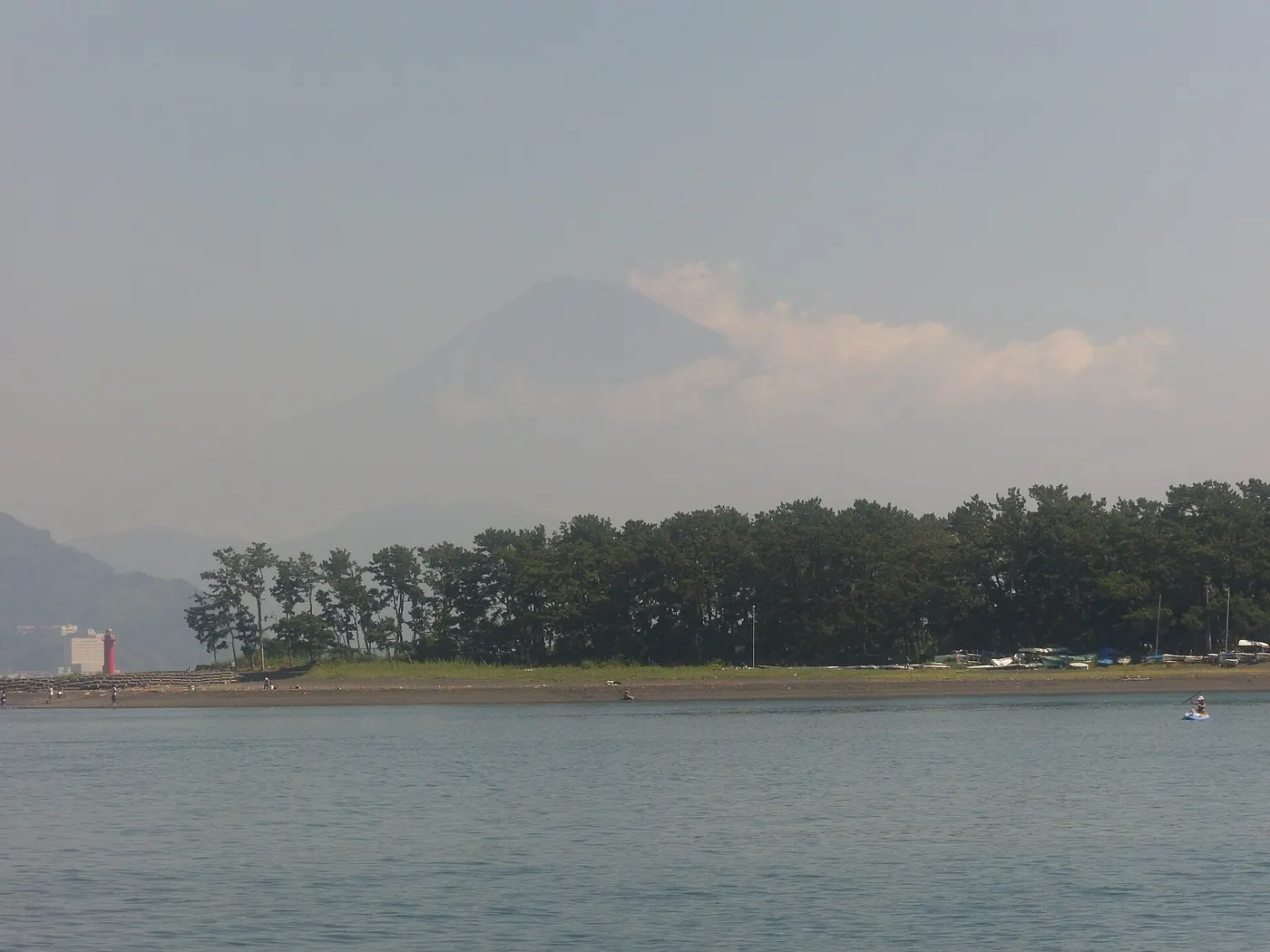
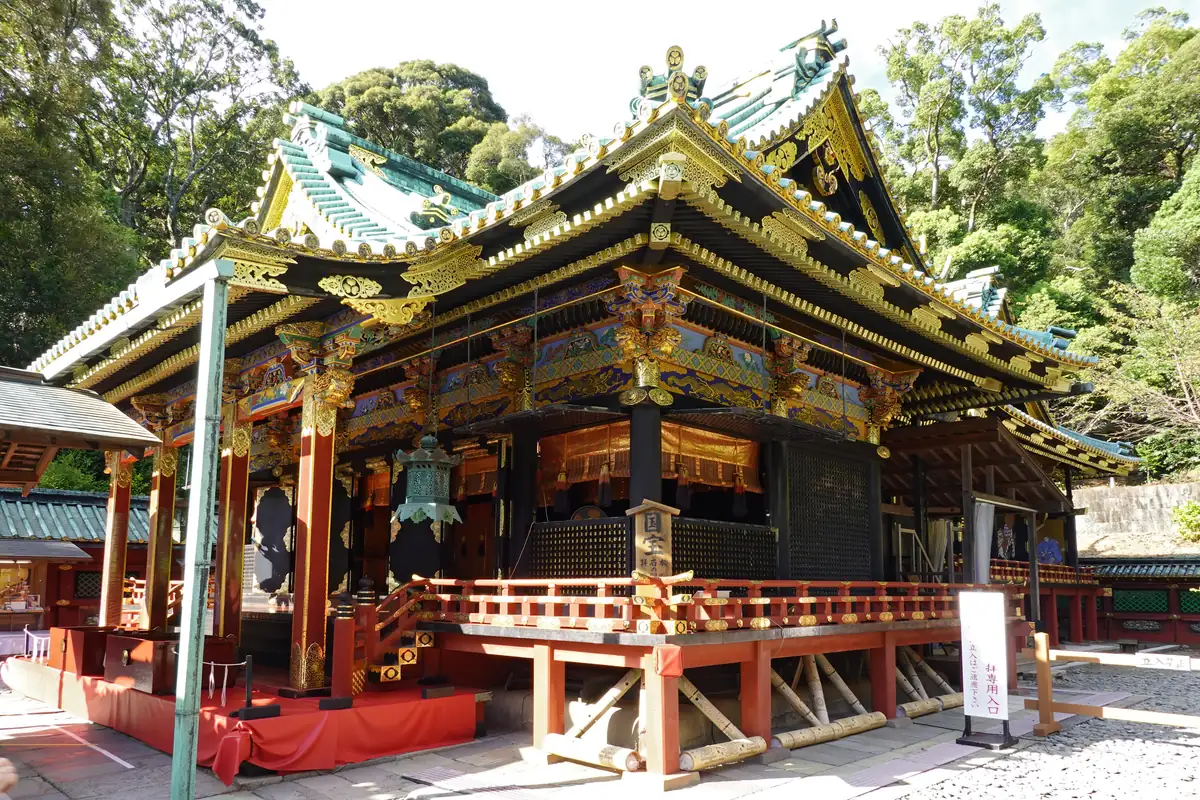
The ¥1,000 view: Miho and Fuji from the water bus. Photo: Indiana jo / CC BY-SA 4.0
**Taxis** meet the ship. They do not wait at viewpoints, so agree the return pickup before you get out at Nihondaira ([step by step](/blog/nihondaira-by-taxi/)). **Trains** from JR Shimizu Station reach Shizuoka City in 11 minutes ([the half-day](/blog/sunpu-castle-shizuoka-by-train/)). There is no hop-on hop-off bus here — [what to do instead](/blog/shimizu-hop-on-hop-off-bus/).
## Mt. Fuji from Shimizu port: see it, or go to it
**Seeing** the mountain is easy and cheap. **Going to** it is a long day that most calls cannot afford.
| Where | How you get there | Time from the pier | Cost | Needs a call of |
|---|---|---|---|---|
| **The pier and Marine Park** | Walk | 0–10 min | Free | Any |
| **Nihondaira plateau & Yume Terrace** | Taxi | 20–25 min | ~¥3,500 each way | 5–6 h+ |
| **Miho no Matsubara** (World Heritage pine grove) | Water bus + 20 min walk | ~50 min | ¥1,000 each way | 4–5 h+ |
| **Fuji foothills** — Shiraito Falls, Fujisan Hongu Sengen Taisha, Lake Tanuki | Private car or tour only, about an hour-plus each way | 5–7 h round trip | Tour price | 7–8 h+ with a morning arrival |
| **Fuji 5th Station, Fuji Five Lakes, Hakone** | Private car, long drives | Full day | Tour price | 10 h+ or an overnight |
Three things decide whether any of this pays off:
1. **The odds.** Mt. Fuji is clearly visible from Shimizu roughly 3–4 days out of 10, and cruise season (spring to autumn) is the hazier half of the year. October and November are the clearest months of the season.
2. **The clock.** Within any day the air is clearest from about **06:00 to 08:00** and the summit usually disappears into haze as the day warms. A morning arrival should do its Fuji stop first; a 13:00 arrival should not chase the mountain at all.
3. **The check.** Look at the mountain from deck as you sail in, or use the live-camera trick before you commit a taxi fare or a tour: [how to see Mt. Fuji from Shimizu](/blog/how-to-see-mt-fuji-from-shimizu/).
If you want the foothills — the waterfall, the mountain's head shrine, the mirror lake — you need a vehicle, and the tours in the section below are how passengers actually do it. If you want the view and a shrine and a market lunch, you can do all of it yourself for a few thousand yen. We priced both routes in [the ship's Fuji tour vs. doing it yourself](/blog/shimizu-vs-ships-fuji-tour-cost-breakdown/). And if the mountain stays hidden — it does, 6–7 days out of 10 — [If Fuji Hides](/if-fuji-hides/) is the Plan B.
## The best things to do in Shimizu on a port day
Ten things, every one within reach of Hinode Pier, each with the number that decides a port day: how far, how much, and when it's closed.
1. **See Mt. Fuji from the Nihondaira plateau** — 20–25 min by taxi (~¥3,500). The plateau is always open; the Kengo Kuma-designed [Yume Terrace](/spots/yume-terrace/) opens 9:00–17:00 (closed the 2nd Tuesday), with a free outdoor viewing corridor. Fuji on one side, your ship on the other, tea fields all around. [Plan: Nihondaira & Kunozan](/itineraries/nihondaira-panorama/).
2. **Ride the ropeway down to Kunozan Toshogu** — ¥1,250 return, about 5 minutes each way, first car 9:10, last car back up 17:00. The gold-lacquered shrine of the first shogun, 250 stone steps from the ropeway station; ropeway-and-shrine set about ¥1,950. [Why it matters](/blog/kunozan-toshogu-original-toshogu/).
3. **Eat tuna where it lands at Kashi-no-Ichi** — 20–25 min on foot (or the shuttle to the station). Roughly 9:30–17:30, bowls from ~¥1,200, picture menus; **the Ichiba-kan building closes on Wednesdays**. Go before 11:30 or after 13:30 to skip the queue. [What to order](/blog/kashi-no-ichi-fish-market-what-to-order/).
4. **Take the water bus to Miho no Matsubara** — ¥1,000 a leg, 25 minutes out, 15 back, then a flat 20-minute walk to the pine grove and the black-sand beach with Fuji over the bay. The Mihoshirube visitor centre (9:00–16:30) has exhibits in six languages, and the [Hagoromo legend](/blog/hagoromo-legend-miho/) explains the tree everyone photographs. [Plan: the Miho day](/itineraries/miho-day/).
5. **Sushi Yokocho and S-Pulse Dream Plaza** — 10 min on foot, open daily 10:00–20:00 (restaurants to 21:00). A floor of sushi counters with picture menus (sets ¥1,500–3,500), souvenirs, and the ¥600 Ferris wheel. The fallback on a Wednesday, and the whole day on a short call. [Details](/spots/sushi-yokocho/).
6. **Chibi Maruko-chan Land, for kids and the curious** — inside Dream Plaza, ¥1,200 adults, ¥700 ages 3–12, open daily 10:00–20:00. The anime is set in 1970s Shimizu, which makes this a local original rather than a generic attraction — and it works in the rain. [Details](/spots/chibi-marukochan-land/).
7. **The waterfront: Marine Park and the Verkehr Museum** — 5–10 min on foot. The free [Marine Park](/spots/shimizu-marine-park/) promenade with its preserved telpher crane is where you get your first look at Fuji over the harbour; the brick [Verkehr Museum](/spots/verkehr-museum/) of port and shipping history is ¥400, 9:30–16:30, closed Mondays.
8. **Shizuoka City by train: castle, shrine and oden** — 11 minutes by JR from Shimizu Station. [Sunpu Castle Park](/spots/sunpu-castle-park/) (free; turrets ~¥360, closed Mondays), the huge lacquered halls of [Shizuoka Sengen Shrine](/spots/shizuoka-sengen-shrine/), and [Shizuoka oden](/spots/shizuoka-oden/) skewers from about ¥100 in the Aoba alley. [Plan: Shizuoka city history](/itineraries/shizuoka-city-history/).
9. **Tea country above the bay** — Shizuoka is Japan's tea heartland, and the hills behind Nihondaira are covered in it. Where to see the fields, and where to taste and buy near the port: [Shizuoka tea from the cruise port](/blog/shizuoka-tea-from-the-cruise-port/) and the [Tea Country plan](/itineraries/tea-country/).
10. **A real onsen bath on a port day** — yes, it fits: ¥1,980 with towels included and a free shuttle. Read the tattoo rules first. [Onsen near Shimizu cruise port](/blog/onsen-near-shimizu-cruise-port/).
Tempted by the Gotemba outlets? They are up to two hours each way from the pier — [usually not worth it](/blog/gotemba-premium-outlets-from-shimizu/). And every place above, plus a dozen more, sits on our [Eat & Do pages](/spots/) with its cost, hours, closed day and English-support note.
Kunozan Toshogu — the first shogun's original shrine, five minutes down the ropeway from Nihondaira. Photo: 663highland / CC BY-SA 4.0
## One day in Shimizu: two model days
Almost every call here fits one of two patterns, and they need different days. Both keep the same rule: **start your return 90 minutes before all-aboard**, whatever the plan.
### The 07:00 arrival (most ships)
The clearest hour of the day is the one you sail in on, so the mountain comes first. This is the day for a 07:00–16:00 or longer call.
07:00 — Check Mt. Fuji from deck as you come alongside.
If the summit is out, the plan below holds. If it is hazed over, reverse it: market and town first, and keep the viewpoint in reserve in case the sky clears.
07:45 — Taxi from Hinode Pier to Nihondaira.
20–25 minutes, about ¥3,500. Agree your return pickup with the driver before you get out — there are no taxis waiting on the plateau.
08:10 — The plateau summit, before the haze.
Fuji across the bay, your ship in the harbour below. The Yume Terrace building opens at 9:00; the outdoor corridor and the summit lawn are free and open earlier.
09:10 — First ropeway down to Kunozan Toshogu.
About 5 minutes each way, ¥1,250 return. Allow an hour for the shrine and Ieyasu's original tomb uphill behind the halls. The 250 steps are the only hard part of the day.
10:45 — Back up the ropeway, taxi down to the fish market.
Ask the driver for Kashi-no-Ichi; you arrive just before the 11:30 lunch rush. Maguro bowl, picture menu, cash. On a Wednesday, go to Sushi Yokocho at Dream Plaza instead.
12:30 — Walk the waterfront back toward the ship.
20–25 minutes from the market to Dream Plaza, whose 2F Seven Bank ATM takes international cards if you need yen.
12:55 — Optional: water bus to Miho (sailings of 16:30 or later only).
Alongside at Miho about 13:30, 20 minutes' walk to the pines, back on the 14:35 boat and at Hinode by about 14:50. If your all-aboard is earlier, give this hour to Dream Plaza and Marine Park instead.
All-aboard minus 60 — On board.
For a 16:00 sailing that means 15:00 on the gangway, with the last taxi or boat agreed well before.
### The 13:00 arrival (Diamond Princess pattern and others)
The mountain is usually hazed out and the market is winding down, so don't chase either. It's a town afternoon — and a good one. Built for a 13:00–19:00 call.
13:15 — Off the ship, straight to Sushi Yokocho.
10 minutes on foot to Dream Plaza; a late sushi lunch with a picture menu, no queue, no shuttle needed.
13:55 — Choice A: water bus to Miho.
Alongside about 14:30, the pines and the beach, back on the 15:35 sailing (or the 16:35 last boat) — ashore at Hinode 15 minutes later. This is the afternoon-arrival sweet spot.
14:30 — Choice B: stay on the bayfront.
Chibi Maruko-chan Land, the Ferris wheel, the Verkehr Museum (last entry before 16:30), and the market by shuttle if you still want tuna — it runs to about 17:30.
16:30 — Marine Park promenade.
The evening light on the harbour is the day's photograph, and it is five minutes from the gangway.
18:00 — On board, an hour before a 19:00 sailing.
Everything in this plan is within 10 minutes' walk or one 15-minute boat of the ship, which is the point.
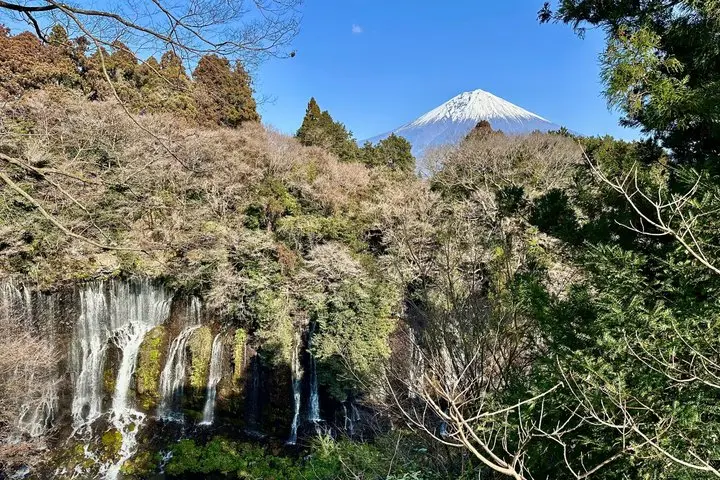
The [4-hour plans](/hours/4-hours/) are built for exactly this clock, and the [Afternoon Plan](/itineraries/afternoon-plan/) is this day written out stop by stop.
## Tours worth booking, by the hours you have
Do it yourself on a call of about 6 hours. Book a tour for the **Fuji foothills** (no public transport fits a port day), for a **group of four to eight** (cars are priced per vehicle), if **steps are hard**, or to have someone else watch your all-aboard. Shared cars with a guide come first: that is what passengers here actually book, and the price is per person.
| Your call | Book this | Why |
|---|---|---|
| **Any, incl. 13:00 arrivals** | [Zen, matcha & calligraphy](/experiences/zen-matcha-calligraphy/) | 2.5 hours near the port; works in rain, no mountain needed |
| **About 6 hours** | [Private Shimizu Highlights](/experiences/shimizu-sightseeing-van/) · [for two](/experiences/shimizu-couples-sedan/) · [step-free](/experiences/shimizu-step-free-tour/) | Nihondaira, Kunozan and Miho in one call, from the gangway |
| **7 hours+** | [All-About Mt. Fuji, short](/experiences/all-about-fuji-short/) · [local guide, custom](/experiences/shimizu-local-guide-custom/) | Per person; the first promises you back 2.5 hours early |
| **8 hours+, morning** | [Fuji Highlights small group](/experiences/fuji-highlights-group-tour/) · [Shiraito & Lake Tanuki](/experiences/fuji-shiraito-lake-tanuki/) | The foothills: falls, mirror lake, head shrine |
| **10 hours+ or overnight** | [Mount Fuji private, full day](/experiences/mount-fuji-private-tour/) · [Hakone by car](/experiences/hakone-private-day/) | Only on the longest calls |
**Before you book:** leave 90 minutes between the tour's end and all-aboard, take port pickup over a station meeting point, and read the weather clause. Only booking one? [The one to book](/book/). Every tour, filtered by call length: [the local picks](/experiences/). Ship's tour vs. private vs. DIY: [Shimizu shore excursions](/blog/shimizu-shore-excursions-guide/).
## Opening hours, English and rain
- **Hours.** The market and shops open around 9:00–10:00, the Yume Terrace at 9:00, the ropeway at 9:10. A 07:00 docking gives you a quiet hour — spend it on the plateau.
- **English.** Picture menus at the sushi alley and market, English panels at the Yume Terrace and ropeway, English on JR ticket machines.
- **Steps.** The waterfront, Dream Plaza, the market and the water bus are flat. Kunozan's 250 steps and the ropeway are the exceptions ([accessible Shimizu](/blog/accessible-shimizu/)).
- **Rain.** The market is roofed; Dream Plaza, Maruko Land and the Verkehr museum are indoors. Only the water bus stops in rough weather ([the rainy-day circuit](/blog/shimizu-rainy-day/)).
## At the pier: the practical checklist
Checked against official pages on 9 October 2026. Where no official page says it, we write **not published** rather than guess.
| | What there is | Source |
|---|---|---|
| **Tender?** | No — ships berth alongside at Hinode Pier, usually New No. 2 berth. Okitsu calls use a shuttle bus. | [Port committee](https://www.shimizu-port.jp/map.html) |
| **Terminal** | Shimizu Marine Terminal, 9:00–21:00: waiting area, vending machines, coin lockers, lifts. No food outlet; no ATM, exchange or public Wi-Fi published. | [Terminal operator](https://www.hinode-dream.jp/faq) |
| **Information desk** | A tourist information booth in front of the berth on cruise days, 8:00–18:00 while a ship is in, with English-speaking staff. | [Port committee spec (PDF)](https://www.shimizu-port.jp/attach.php/61626f75745f323032363031303931333333313535/save/0/0/%E6%B8%85%E6%B0%B4%E6%B8%AF%E8%A6%B3%E5%85%89%E6%A1%88%E5%86%85%E6%89%80%E9%81%8B%E5%96%B6%E6%A5%AD%E5%8B%99%E5%A7%94%E8%A8%97%E4%BB%95%E6%A7%98%E6%9B%B8.pdf) |
| **Cash** | Seven Bank ATM (Visa, Mastercard, Amex, JCB, UnionPay, Discover, Diners) at Dream Plaza 2F by the escalators, 10:00–24:00. | [Dream Plaza](https://www.dream-plaza.co.jp/general-information/atm/) |
| **Wi-Fi** | Free at Dream Plaza in all common areas (network *dream-plaza*). The city's free Wi-Fi only works at city offices. SIM/eSIM sales nearby: not published. | [Dream Plaza](https://www.dream-plaza.co.jp/general-information/1637/) |
| **Toilets** | Terminal 1F and 2F (accessible, baby beds); Dream Plaza every floor. Kashi-no-Ichi: not published. | [Terminal](https://www.hinode-dream.jp/faq) · [Dream Plaza](https://www.dream-plaza.co.jp/general-information/761/) |
| **Luggage** | Coin lockers in the terminal and at Dream Plaza 1F–3F (large ones on 1F–2F). JR Shimizu Station lockers: not published. | [Dream Plaza](https://www.dream-plaza.co.jp/general-information/766/) |
| **Wheelchairs** | The terminal is step-free and lends wheelchairs free; Dream Plaza lends four for use inside (SEA-side 1F information). | [Terminal](https://www.hinode-dream.jp/faq) · [Dream Plaza](https://www.dream-plaza.co.jp/general-information/9621/) |
| **Children** | Dream Plaza: nursing room behind the 2F food court, free pushchairs 10:00–18:00; Chibi Maruko-chan Land on 3F (¥1,200 adults, ¥700 ages 3–12). | [Dream Plaza](https://www.dream-plaza.co.jp/general-information/755/) · [Maruko Land](https://chibimarukochan-land.com/) |
| **English help in town** | Shimizu Station tourist office, 9:00–17:45 (closed 13:00–14:00), 054-367-9613. | [Shizuoka City](https://www.city.shizuoka.lg.jp/shisetsu/s0000151.html) |
| **Emergency** | Ambulance 119, police 110. Japan Visitor Hotline 050-3816-2787 (24 h, English). Shizuoka City Shimizu Hospital, 1231 Miyakami, 054-336-1111. Nearest pharmacy: not published. | [JNTO](https://www.jnto.go.jp/emergency/eng/mi_guide.html) · [Hospital](https://www.shimizuhospital.com/aboutus/outline/) |
## Three things to eat, with the price and the hours
- **Zuke maguro ippai-don (marinated tuna bowl), ¥1,500** with miso soup and a side — at **Uoichiba Shokudo**, the fish market's own restaurant, Maguro-kan 2F, Kashi-no-Ichi (27 minutes' walk). Weekdays 10:30–15:00, weekends and holidays 10:00–16:00. The staff keep adding tuna until you say stop. ([market page](https://kashinoichi.com/maguro02_content/page05/))
- **Sakura ebi kakiage-don** (crisp fritters of the tiny shrimp only Suruga Bay lands) — at **Kishiya**, Maguro-kan 1F, open daily 10:00–20:00; price not published. ([market page](https://kashinoichi.com/maguro01_content/page02/))
- **Tuna sushi with Shizuoka toppings** (shirasu, sakura ebi) — **Shimizu Sushi Yokocho**, six counters on Dream Plaza 1F, 12 minutes from the gangway, 11:00–20:00 (to 21:00 in summer); prices vary by counter. ([Dream Plaza](https://www.dream-plaza.co.jp/shimizu-sushi-yokocho/))
The market's Ichiba-kan is closed on Wednesdays (some restaurants open) — on a Wednesday call, Sushi Yokocho is the safe lunch. [What to order at Kashi-no-Ichi](/blog/kashi-no-ichi-fish-market-what-to-order/) has the rest of the menu.
## Festivals in Shimizu and Shizuoka
| Festival | 2026 dates | Where | What it means for a call |
|---|---|---|---|
| **Shizuoka Matsuri** — the shogun's cherry-blossom procession | 3–5 April | Sunpu Castle Park, central Shizuoka | A JR ride from Shimizu Station; crowds in the city, not the port |
| **Shimizu Minato Matsuri** — kappore dancing and the sea fireworks | 31 July – 2 August; fireworks 2 August | Satsuki-dori and **Hinode Pier, the cruise berth** | A call that day ends with fireworks off your own pier |
| **Hagoromo Matsuri** — the robe-of-feathers legend, with torch-lit Noh | 10 October | Marinart, by JR Shimizu Station | Afternoon into evening; Noh tickets ¥5,000 |
| **Daidogei World Cup** — street performers from around the world | 31 October – 3 November | Sunpu Castle Park and central Shizuoka | Free outdoor shows, a JR ride from Shimizu Station |
2027 dates are not yet published by the organisers; we add them when they are. Sources: [Shizuoka City](https://www.city.shizuoka.lg.jp/s9635/s013738.html), [Minato Matsuri](https://www.minatokappore.jp/), [Hagoromo Matsuri](https://www.city.shizuoka.lg.jp/s9635/s013778.html), [Daidogei World Cup](https://daidogei.com/).
## Find your ship
Your arrival and departure times decide everything above. [Every ship that calls](/ships/) has a page with each call, the berth and the hours you really have ashore; the regulars also have a full playbook — [Celebrity Millennium](/blog/celebrity-millennium-shimizu-guide/), [Diamond Princess](/blog/diamond-princess-shimizu-playbook/), [Norwegian Jade](/blog/norwegian-jade-shimizu-guide/), [Viking](/blog/viking-shimizu-overnight/), [Westerdam](/blog/westerdam-shimizu-guide/) and [Star Seeker](/blog/star-seeker-shimizu-guide/). Month by month: [the cruise calendar](/calendar/).
## Five mistakes passengers make here
1. **Chasing Fuji in the afternoon.** The summit is clearest roughly 06:00–08:00 and hazes over as the day warms. Do your view stop first, or not at all.
2. **Assuming the shuttle will be there.** It's free and useful, but not guaranteed early. A tight plan needs legs or a taxi.
3. **Letting the taxi drive away at Nihondaira.** There is no rank up there. Fix the return before you get out.
4. **Turning up at the fish market on a Wednesday.** The Ichiba-kan building is closed. Dream Plaza's sushi floor is the fallback.
5. **Spending the safety margin.** Every plan on this site ends an hour before all-aboard for a reason — ships do sail.
And if the mountain is shy — it is, 6–7 days out of 10 — read [If Fuji Hides](/if-fuji-hides/) before you spend $150 on a view that may not exist.
## FAQ
Q: Which terminal do cruise ships use in Shimizu?
A: Most ships berth at Hinode Pier, next to Shimizu Marine Terminal and a 10-minute walk from the Dream Plaza bayfront. On two-ship days one vessel may be moved to Okitsu, a container berth about 4 km northeast where walking out is not permitted — check your daily program the night before.
Q: Can you walk into town from the cruise terminal?
A: Yes — from Hinode Pier it's about 5–8 minutes to the Verkehr port museum, 10 minutes on foot to S-Pulse Dream Plaza and its sushi alley, and 20–25 minutes to the Kashi-no-Ichi fish market, which sits next to JR Shimizu Station. Only Okitsu Pier (used on some two-ship days) prohibits walking out.
Q: How do you get from Shimizu cruise port to Mt. Fuji?
A: For a view of the mountain: a taxi to the Nihondaira plateau (20–25 minutes, about ¥3,500 each way) or the ¥1,000 water bus across the bay to Miho no Matsubara. To reach the Fuji foothills themselves — Shiraito Falls, the Fujinomiya shrine, Lake Tanuki — you need a car and a call of 7–8 hours or more, which in practice means a private tour with port pickup. The 5th Station and the Fuji Five Lakes are out of reach on a normal port day.
Q: Can you see Mt. Fuji from Shimizu port?
A: On a clear day, yes — even from the pier. The mountain is clearly visible roughly 3–4 days out of 10, and the air is clearest from about 06:00 to 08:00. The odds, the best viewpoints and the live-camera trick are covered in full on our dedicated page: Mt. Fuji from Shimizu cruise port, how to see it.
Q: Is there a hop-on hop-off bus in Shimizu?
A: No. There is no sightseeing bus circuit here — your toolkit is your feet, the free pier–station shuttle, the ¥1,000 water bus, taxis and the JR train. We answer the question in full on its own page: Is there a hop-on hop-off bus in Shimizu?
Q: How much is the Shimizu Water Bus to Miho?
A: ¥1,000 per leg for adults and ¥500 for children. The outbound calls at Ejiri first (about 25 minutes); the direct return from Miho takes about 15. The Miho Hagoromo line runs seven sailings a day, roughly hourly from 9:55 to 15:55 out of Hinode, with the last boat back leaving Miho at 16:35 — and boats may skip the Miho platform in strong wind.
Q: How do you get from Shimizu port to Shizuoka city?
A: Take the free shuttle (or walk 20–25 minutes) to JR Shimizu Station, then a local JR train to Shizuoka — about 11 minutes, running frequently. That puts the castle park, the shogun's shrine and the covered shopping arcades within easy reach on a half-day.
Q: How many hours do you need in Shimizu?
A: The walkable core (market, sushi alley, bayfront) fits 2–3 hours. Miho no Matsubara by Water Bus needs about 4–5. The Nihondaira–Kunozan loop is a comfortable 6. Fuji-area day trips need 8 or more. Always plan to be back on board 60 minutes before all-aboard.
Q: What is the best shore excursion from Shimizu?
A: For a first call of about 6 hours, the private jumbo-taxi tour that strings together Nihondaira, the ropeway to Kunozan Toshogu and Miho no Matsubara — it is the most-reviewed tour at this port, and it covers the three places we would send you anyway. For Mt. Fuji itself you need 7–8 hours or more: the Shiraito Falls and Lake Tanuki private tour, or the per-person small-group Fuji Highlights tour. This guide lists our picks for every call length.
Q: Are there taxis at Shimizu cruise port?
A: Yes — taxis meet ships at Hinode Pier, and Nihondaira is 20–25 minutes and about ¥3,500 away. The problem is at the other end: taxis do not wait at the viewpoints and do not cruise for fares up there, so agree a pickup time with your driver, or book the round trip, before you get out of the car.
Q: What is there to do in Shimizu, Japan, on a one-day cruise stop?
A: It depends on your arrival time. A morning arrival fits the full menu — Fuji viewpoint, fish-market lunch and the waterfront; a 13:00 arrival is a compact afternoon built around the walkable core and one boat or taxi trip. This guide includes two worked model days, one for each pattern.
Q: What happens if it rains, or Mt. Fuji is hidden?
A: The port day still works. The tuna market is roofed, the sushi alley, Dream Plaza and the Verkehr museum are indoors, Kunozan Toshogu is worth the trip in any weather, and the zen-and-matcha temple tour does not need the mountain at all. Our rainy-day guide and the If Fuji Hides page give the full Plan B — and the water bus is the one thing rough weather actually cancels.